
How to Prep a Healthy 30-Minute Lunch (Simple System for Busy Days)
I use to stress so much thinking how and what I’m going to have for lunch. I didn’t just want something quick but lacking the nutrients to get me through to dinner without having to snack on empty calories while fighting that rumbling stomach around 3 pm. Learning to prep for my lunches was a game-changer that would enhance the way I ate lunch forever, (fingers crossed). I sincerely hope this helps you as much as it has helped me.
Who This Is For
This guide is for anyone who struggles to prepare a healthy lunch during a busy day. If you often rely on takeout, skip meals, or settle for something unsatisfying, this approach will help you create quick, balanced lunches without added stress.
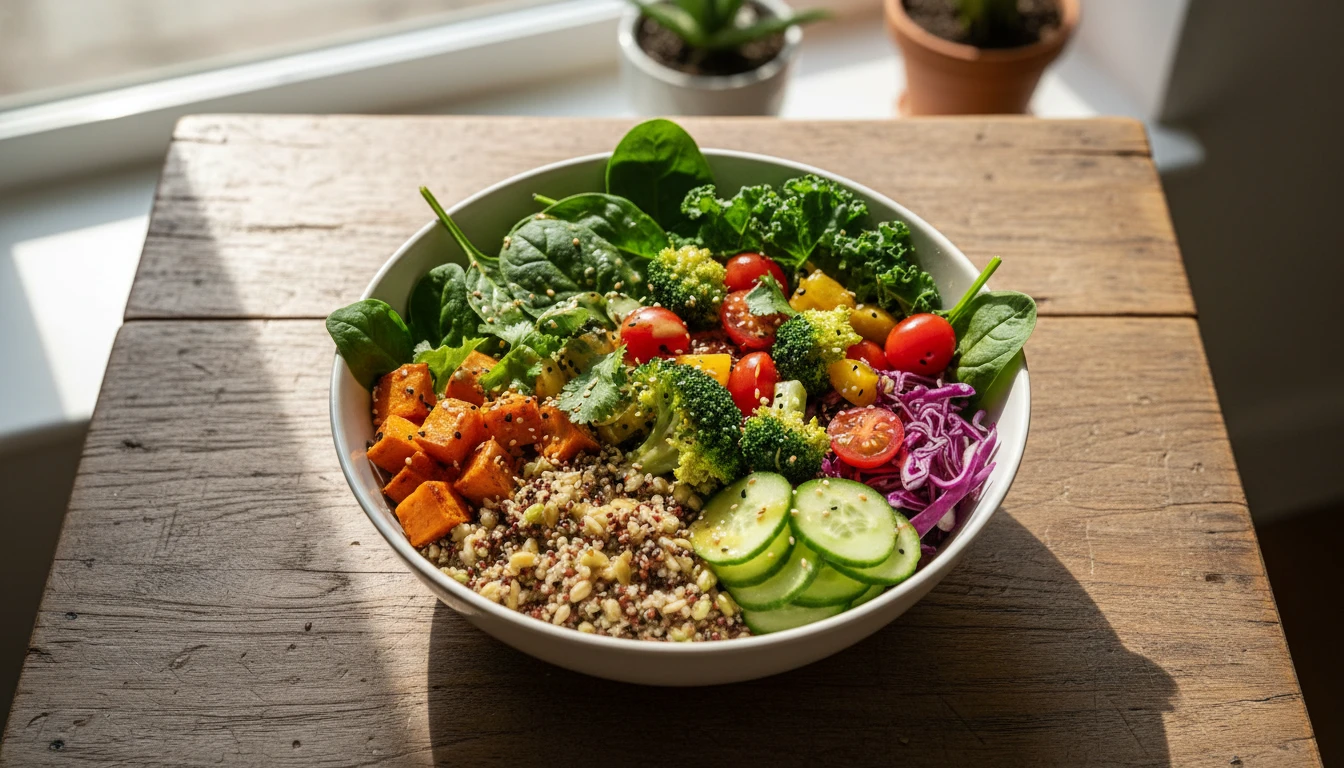
Why Most Healthy Lunch Advice Fails
Many articles focus on listing healthy foods such as salads, lean proteins, and whole grains. However, they often fail to explain how to consistently prepare these meals in a limited amount of time.
As a result, people experience:
- Meals that take too long to prepare
- Ingredients that go unused and expire
- Lunches that are not filling or satisfying
The key is not more recipes. The key is a simple system that works under real conditions.
The 30-Minute Healthy Lunch System
Instead of relying on complex recipes, use this structure:
1 Protein + 1 Carb + 1 Vegetable + 1 Sauce
This method creates a balanced meal that supports energy, fullness, and consistency.
Why This Works
Balanced meals that include protein, fiber, and healthy fats can help maintain energy levels and reduce hunger between meals, according to guidance from Health Canada and Mayo Clinic.
Step-by-Step: Prepare Your Lunch in 30 Minutes
Step 1: Choose Your Protein (10 minutes)
Select one of the following options:
- Chicken breast (fresh or pre-cooked)
- Eggs (boiled or scrambled)
- Canned tuna or salmon
- Beans or lentils
A practical approach is to cook extra protein during dinner and use the leftovers for lunch the next day.
Step 2: Add a Carbohydrate Base (5 minutes)
Choose one:
- Rice (microwaveable options save time)
- Whole grain wraps or bread
- Quinoa
- Potatoes (pre-cooked or leftover)
Step 3: Add Vegetables (5 minutes)
Keep preparation simple:
- Pre-washed salad mixes
- Frozen vegetables that can be microwaved
- Raw vegetables such as cherry tomatoes, cucumbers, or carrots
Step 4: Add Flavor (2 to 3 minutes)
Adding flavor improves satisfaction and consistency. Consider:
Step 5: Assemble the Meal (5 minutes)
Combine your ingredients into one of the following:
The meal is now ready.
Three Real 30-Minute Lunch Examples
Chicken Rice Bowl
- Protein: Grilled chicken
- Carbohydrate: Rice
- Vegetables: Broccoli and carrots
- Sauce: Teriyaki
Preparation time: 25 minutes
Estimated cost: $4 to $6
Egg and Vegetable Wrap
- Protein: Scrambled eggs
- Carbohydrate: Whole wheat wrap
- Vegetables: Spinach and tomato
- Sauce: Yogurt-based spread or light mayonnaise
Preparation time: 15 minutes
Estimated cost: $3 to $5
Tuna Bowl (No Cooking Required)
- Protein: Canned tuna
- Carbohydrate: Quinoa or whole grain crackers
- Vegetables: Mixed greens
- Sauce: Olive oil and lemon
Preparation time: 10 minutes
Estimated cost: $3 to $6
How to Keep Your Lunch Under $5
A healthy lunch can be cost-effective with a few adjustments:
- Use canned protein sources such as tuna or beans
- Choose frozen vegetables instead of fresh when possible
- Prepare food in batches and reuse ingredients
- Avoid individually packaged convenience meals
Common Mistakes That Reduce Effectiveness
Overcomplicating Meals
If the process takes too long, it becomes difficult to maintain consistency.
Not Including Enough Protein
Low-protein meals often lead to hunger shortly after eating.
Ignoring Flavor
Meals without seasoning or sauce are less satisfying and harder to maintain over time.
Skipping Preparation
Even minimal preparation in advance can significantly reduce time and effort.
What Makes This Method Different
Most meal preparation advice focuses on structured recipes that require precise ingredients and steps. This method focuses on flexibility. It allows you to build meals using what you already have while still maintaining balance and efficiency.
The goal is not perfection, but consistency.
A Simple Weekly Lunch Routine
A practical weekly approach may include:
- Preparing a primary protein source once
- Using that protein across multiple meals
- Rotating carbohydrates and vegetables for variety
This reduces decision-making and simplifies daily preparation.
Final Thoughts
Preparing a healthy lunch does not need to be complicated or time-consuming. By using a simple system and keeping ingredients flexible, it is possible to create balanced meals in 30 minutes or less.
Consistency is more effective than complexity. A repeatable approach will produce better long-term results than constantly searching for new recipes.
Sources
- Health Canada – Canada’s Food Guide
- Mayo Clinic – Healthy diet recommendations