Breakfast meal prep makes mornings so much easier and truly upgrades how I eat each day. Whether I’m trying to hit nutrition goals or I just want a stress-free start, prepping breakfast ahead of time helps me stay organized without sacrificing good food. There are numerous ways to go about it, even if I don’t have a lot of experience in the kitchen. In this article, I’ll walk through practical breakfast meal prep ideas, some handy tips, and a few common questions, all based on what’s actually worked for me (with a couple mistakes I’ve learned from too).
Why Breakfast Meal Prep Is Worth Your Time
Meal prepping breakfast can truly save time during busy mornings. I find that it makes sticking to healthy habits a lot more realistic, especially if I’m juggling family, work, or just want a bit more sleep before starting the day. Having food ready helps me avoid skipping meals or grabbing something less nutritious out of convenience.
People have practiced some form of meal prep for ages, but now, with so many quick recipes and storage options, it’s easier than ever. Meal prepping for breakfast also means less food waste since I can plan portions and use up ingredients before they spoil. Some recent surveys show that more folks are picking up meal prep to boost both health and productivity throughout the week.
Starting the day with a balanced meal isn’t just about staying full. There’s science showing that breakfast impacts focus, energy, and even mood. Pairing meal prep with thoughtful planning lets me wake up to something I actually enjoy eating, not just whatever’s hiding in the pantry or forgotten on a shelf.
Getting Started with Breakfast Meal Prep
Jumping into breakfast meal prep doesn’t require culinary skills or fancy gadgets. Just a few containers, a basic plan, and a spark of creativity go a long way. Even choosing just one or two recipes to make ahead can help build a steady routine.
For anyone new to this, picking recipes with familiar ingredients keeps things less overwhelming. I focus on foods that store well and taste good hot or cold. These are some basic ideas and terms that I found helpful when I first got into prepping breakfast meals:
- Batch Cooking: Make a big batch of something (like overnight oats or breakfast burritos) in advance, then portion it out for later.
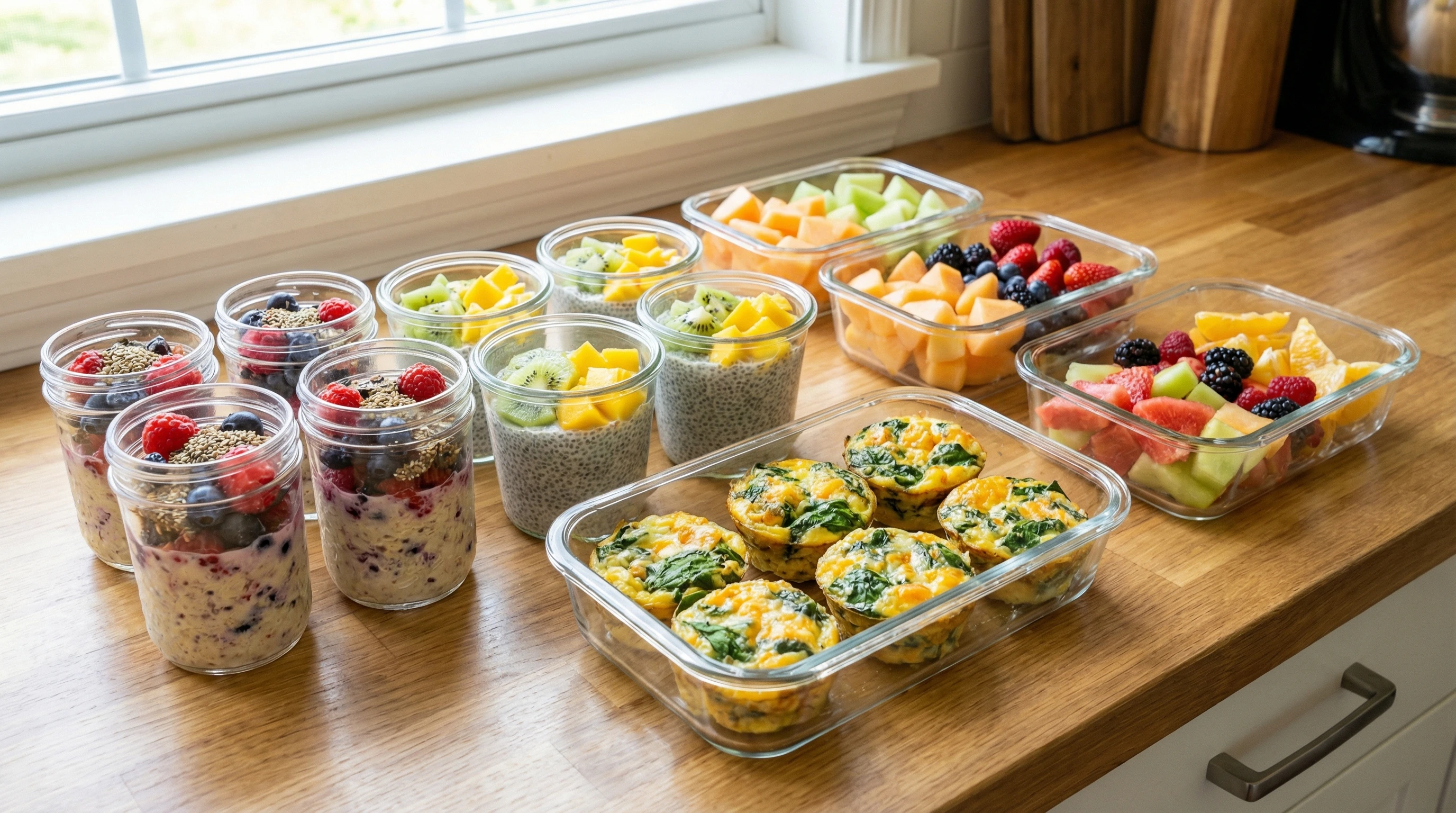
- Grab and Go: Single serving items that require zero prep in the morning, like chia pudding jars, smoothie packs, or egg muffins.
- Freezer Meals: Dishes made ahead, frozen, and reheated when needed. This is super useful for items like breakfast sandwiches or pancakes.
How to Start Prepping Your Breakfast Like a Pro
Building a breakfast meal prep routine sounds complicated, but a few clear steps make everything much smoother:
- Pick Your Recipes: Choose 1-3 simple breakfasts you enjoy and that keep well. Try things like overnight oats, egg muffins, or freezer friendly burritos.
- Write a Short Grocery List: Jot down only what you need, based on your chosen recipes. This cuts down on overbuying and makes shopping simpler.
- Make Time for Prep: Set aside 30-60 minutes one or two days a week. I find Sunday afternoons work, but even a weeknight can be fine.
- Store in Individual Containers: Portion meals for grab and go access. Use glass or BPA free plastic containers for best results.
- Label and Stack: Adding a date or name to each container with masking tape helps keep track of freshness and makes mornings faster.
Following these steps keeps breakfast options organized and reduces morning chaos. After a week or two, it becomes a natural part of my routine, and honestly, my mornings are noticeably calmer with less decision fatigue.
Things to Consider Before Getting Into It
Like any new habit, prepping breakfast ahead comes with a few things to think about. I’ve learned these through trial and error, so knowing them upfront can help you avoid some common issues:
- Ingredient Choices: Pick foods that stay fresh for several days, like eggs, oats, yogurt, and sturdy fruits (apples, berries). Some fruits like bananas or sliced avocado brown quickly and aren’t great for prepping far ahead.
- Storage: Having enough containers is helpful and airtight lids are key for keeping everything tasty. Investing in a few quality ones makes a big difference.
- Diet or Allergies: Prep with any dietary needs in mind. Gluten-free, dairy-free, or allergies all affect recipe picks. Swaps for milk or bread are actually easy once you know what works best for you.
- Portion Sizes: It’s easy to get portions wrong at first. Start small, then adjust based on how hungry you are in the morning.
- Storing Eggs: Cooked eggs stay fresh for about four days in the fridge. If I’m prepping more, I freeze some portions to keep things safe and fresh.
Picking Breakfast Foods That Actually Keep
Not all breakfast food works for meal prep. I learned that soggy cereal or limp toast just isn’t good on day three. Here are tried and true breakfast meal prep foods:
- Overnight Oats: Rolled oats, milk or yogurt, and extras like berries or nuts last well in the fridge for up to five days.
- Egg Muffins or Frittatas: Eggs mixed with leftover veggies and cheese, baked in muffin tins or a pan, stay good and freeze easily.
- Breakfast Burritos: Tortillas wrapped around eggs, beans, and veggies, wrapped and frozen, are ready to be reheated in minutes.
- Yogurt Parfaits: Layer yogurt with granola and fruit. Add granola just before eating to keep it crunchy.
- Pancakes or Waffles: Make a big batch, cool, then freeze in single layers. Pop them into the toaster for a hot breakfast.
Choosing Storage Solutions for Breakfast Meal Prep
I prefer glass containers with tight seals for taste and sustainability, but reusable plastic works if I’m packing lunches or snacks for the car or bag. Mason jars are handy for oats and parfaits, while silicone bags handle frozen burritos and sandwiches well. Reusable wrap or beeswax covers keep cut fruit or loaves fresh without creating plastic waste.
It helps to have a variety of container sizes. That way, I can easily pack single servings or family portions. Good storage keeps food tasting fresh and saves money by keeping leftovers longer.
Advanced Tips and Hacks for Breakfast Meal Prep
Once meal prepping feels second nature, making tweaks and trying fresh ideas can make things even easier. Here’s what’s helped me keep breakfast interesting:
Switch Up Flavors: Use different spices, extracts, or toppings each week. Swapping pecans for walnuts, using oat milk, or changing up fruit keeps the routine from feeling stale.
Double Up: Make two batches of a favorite (like egg cups) and freeze half. This way, there’s always a backup breakfast if plans fall through or if you need a quick meal.
Make Smoothie Packs: Drop chopped fruit and greens into freezer bags. In the morning, dump into a blender with milk for a fast, fresher tasting smoothie.
Bigger Batches, More Variety: If I’m prepping oats, I divide the base into jars and flavor each one differently. Think apple cinnamon, peanut butter, or chocolate banana all in a single prepping session.
Keep a Breakfast Bar: Set up a breakfast bar with all the fixings: nut butters, seeds, precooked eggs, fruit, and granola. Each morning it’s easy to grab, mix, and go, and it doesn’t take up much fridge space.
Using these approaches, breakfast is never boring and I save time even when my mornings are unexpectedly busy.
Best Choices for Beginners: Breakfast Meal Prep Recipes
Simple, flexible recipes can help breakfast meal prep become a long term habit. Here’s a few tried and true recipes—each one tested and approved in my own kitchen:
- Classic Overnight Oats: Combine rolled oats with milk (or milk alternative), chia seeds, and top with frozen or fresh fruit. Add a touch of honey or maple syrup if you like it sweet. Keeps in the fridge for five days.
- Veggie Egg Muffins: Whisk eggs with diced spinach, bell peppers, onion, and cheese. Pour into muffin tins and bake. Store in the fridge or freeze, then reheat in the microwave.
- Freezer Burritos: Scramble eggs with salsa and black beans, spoon into tortillas, wrap tightly, and freeze. Great for quick mornings—just heat them up in the microwave wrapped in a paper towel.
- Greek Yogurt Bowls: Pre-portion Greek yogurt into containers, add fruit or drizzle with nut butter, and keep granola on the side for crunch.
Most of these recipes take under 30 minutes to prep for the week, so they fit nicely even into a crowded schedule.
Breakfast Meal Prep: Frequently Asked Questions
Here are some of the top questions about breakfast meal prep—plus a few answers I’ve learned through experience:
How long does breakfast meal prep last in the fridge?
Most prepped items, like oats, egg muffins, and burritos, stay good for about 3-5 days in a sealed container in the fridge. If you aren’t sure, freeze a couple servings to avoid spoilage.
What’s the best way to reheat breakfast meal prep?
Oats and egg dishes can go straight into the microwave or oven. Pancakes and waffles reheat well in a toaster or toaster oven for crispy edges and a freshly made feel.
Can I meal prep for special diets?
Absolutely. Most recipes can be swapped to fit gluten-free, dairy-free, vegetarian, or high protein needs. There are plenty of options online (like on EatingWell) that focus on different dietary preferences.
Keep Your Healthy Mornings Going Strong
Getting into breakfast meal prep takes a bit of upfront planning, but after a couple weeks it starts to feel natural. Having good food ready makes breakfast something I look forward to, whether I’m heading out or enjoying a quiet morning at home. Trying new recipes, keeping reliable storage on hand, and mixing things up stops breakfast from becoming monotonous.
Prepping breakfast ahead of time is a small switch with a surprisingly big impact on health and stress levels, so it’s definitely worth checking out if smoother mornings and better meals sound appealing. Give it a shot and see how it upgrades your day!