Busy weekdays don’t leave a lot of room for long meal prep sessions, so I’ve learned to rely on quick lunches that don’t require any cooking at all. Coming up with ideas that check the boxes for flavor, nutrition, and budget can feel like a daily puzzle. If you’re like me, juggling work, family, or just trying to save money where you can, having a handful of go-to no-cook lunch recipes is a real time-saver. Here I’ll share my favorite easy no-cook healthy lunch ideas and give you a bunch of tips to keep lunchtime fresh, stress-free, and affordable.
Why No-Cook Lunches Work for Busy Schedules
No-cook lunches are a lifesaver when there’s not enough time or energy to spend over a stove. I started skipping hot lunches when I realized how much easier, and faster, it was to assemble a meal that’s ready to eat as soon as I finished chopping or mixing. Not heating up the kitchen is especially nice during summer or in small apartments without good ventilation.
These recipes also help reduce energy bills and avoid the cost of delivered or restaurant food. Being able to put together something healthy in under 10 minutes has saved me from many expensive takeout temptations and kept my grocery budget in check. Plus, with no pots and pans to clean, you’ll have more free time for yourself during a busy workday or afternoon.
5 Easy No-Cook Healthy Lunch Ideas
These five no-cook recipes have gotten me through my busiest seasons. I like how easy it is to adjust the ingredients to match what I already have at home, which cuts down trips to the store and helps use up leftovers, too. With these ideas, lunch never has to feel repetitive or bland.
- Mediterranean Chickpea Salad
Chickpeas are rich in protein and fiber, helping me stay full until dinner. For this lunch, I rinse a can of chickpeas and toss them with chopped cucumber, cherry tomatoes, red onion, and olives. A quick squeeze of lemon and a drizzle of olive oil are all it takes for dressing. If I have feta cheese, I crumble some over the top, but it’s good without it too. Serve with pita bread or wrap it up for an easy grab-and-go lunch. - Turkey and Hummus Wraps
Whenever I want something that feels like a deli sandwich but with less effort, I spread a tortilla or whole wheat wrap with hummus, add a few turkey slices, layer spinach or greens, and some sliced bell pepper or shredded carrots. It rolls up in under two minutes, and I like to add some grainy mustard for a little kick. These wraps pack up well for work and don’t get soggy fast. If you need an alternative to turkey, sliced chicken or roast beef also work well in a pinch. - Avocado Tuna Boats
Tuna packed in water is something I almost always keep on hand. I mix one can with a spoonful of Greek yogurt, a squeeze of lemon, salt, pepper, and some chopped celery. Halve an avocado and scoop the tuna mix right into the center. It feels fancy, but honestly, it takes about three minutes. Add a side of whole grain crackers or a handful of cherry tomatoes for crunch. If you prefer, swap avocado with bell pepper halves for a similar bowl-like effect. - DIY Protein Snack Lunchbox
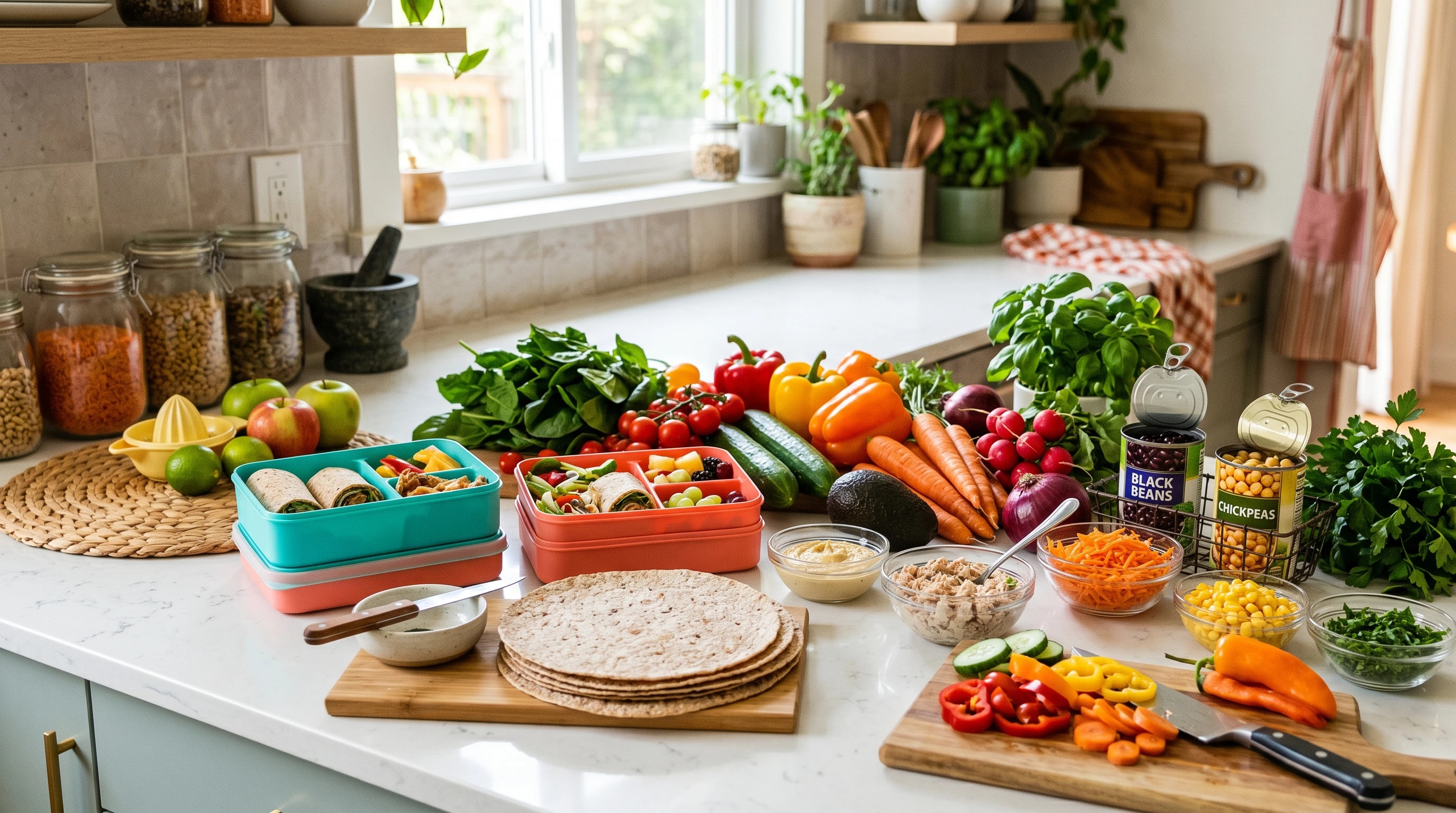
When I get bored of sandwiches, I make a bentostyle box with a combination of easy snacks: rolled deli turkey or chicken, a boiled egg or two (made ahead, of course), cucumber slices, carrots, cherry tomatoes, a small container of hummus, some cheese cubes, and fresh fruit. These little snack platters help me avoid vending machine cravings and offer variety without cooking. Mix and match based on what you have or want to finish up from your fridge. - Yogurt Parfait with Berries and Seeds
Greek yogurt layered with fresh or frozen berries makes a filling lunch if I’m craving something lighter. I sprinkle on oats or granola, pumpkin seeds or sunflower seeds, and sometimes a scoop of nut butter. Staying full until dinner is a big deal for me, so I make sure to add enough toppings for extra protein and healthy fat. This is also a great way to use up fruit that’s about to go soft, and you can swap berries for diced peaches, sliced banana, or grapes if you like more variety.
Budget-Friendly Swaps and Storage Tips
Healthy eating doesn’t need to cost a fortune. I often swap ingredients based on what’s on sale or what’s already in the fridge. For example, instead of turkey, I use leftover rotisserie chicken or swap chickpeas with canned white beans for a similar texture and taste in salads. Adding grains like quinoa or brown rice (batch-cooked earlier in the week) helps stretch ingredients even more and ensures that meals are more satisfying.
I keep lots of pantry basics like canned beans, tuna, whole wheat wraps, hummus, nuts, and seeds on hand. Buying veggies like carrots, cucumbers, and bell peppers in bulk helps reduce price per serving, and they last quite a while in the crisper. Chopping veggies in advance and storing them in airtight containers saves time and makes it so much easier to throw together a meal before running out the door. Keeping an assortment of nuts and dried fruits is also handy for quick, filling add-ons or snacks.
For storing no-cook lunches, glass containers keep crunchy things crunchy and don’t hold onto odors as much as plastic. If I’m bringing lunch to work, I pack dressings and dips separately to avoid soggy wraps or salads. The little extra step goes a long way for taste and freshness. Storing herbs in a damp paper towel or small glass of water in the fridge also helps them last longer.
Tips to Keep Lunches Exciting
Repeating the same lunch every day gets boring, so I change up the flavor or texture to keep things interesting. Here’s what’s worked for me:
- Change the bread: Try pita, wraps, grainy bread, or even lettuce leaves as a base for fewer carbs and more crunch.
- Add herbs or spices: A sprinkle of fresh dill, cilantro, chili flakes, or za’atar can totally change the mood of a salad or wrap. Dried Italian herbs or curry powder work wonders, too.
- Use different dressings: Sometimes I swap out lemon juice for balsamic vinegar, Greek dressing, or even a simple yogurt dip. Homemade dressings, using olive oil, fresh herbs, and vinegar, can be quick and cheap alternatives.
- Switch up the protein: Beans, eggs, chicken, tofu, canned salmon, or deli meats all work well. Some cheeses like mozzarella or even cottage cheese can step in for variety.
- Try new veggies: I’ve stumbled upon that shredded cabbage, pickled onions, or sliced radishes can add an unexpected crunchy twist. Roasted red peppers or artichoke hearts from a jar punch up the taste as well.
Leftovers can often get a second life as a no-cook lunch. For example, leftover roasted veggies and chicken from dinner can be wrapped in a tortilla the next day with hummus or put straight onto mixed greens with feta for an easy salad. If you have leftover grains, they can easily bulk up a simple veggie salad or layer into a jar for a grab-and-go meal.
Common Questions About No-Cook Lunches
I get a lot of the same questions whenever I talk about my lunch routines, so I’ve collected answers here to help if you’re new to no-cook meals.
Q: How can I eat healthy on a tight budget?
A: Focus on whole foods that are filling and versatile, like beans, eggs, canned fish, whole grains, and seasonal produce. I buy in bulk whenever I can, and choose generic brands. Planning a basic menu for the week helps avoid impulse buys and takeout cravings. Using what’s already in my pantry before heading to the store has made a big difference in my grocery bills. If you want to really maximize savings, check flyers for produce deals and try to meal plan around what’s cheap and in season. Frozen fruits and vegetables are usually less expensive and just as nutritious as fresh, so don’t overlook those for lunches, too.
Q: What are some protein options for no-cook lunches?
A: Besides canned beans and fish, I use Greek yogurt, hummus, nuts, deli meats, or even leftover cooked protein. Rotisserie chicken is a good way to add protein to salads and wraps without extra prep. For plantbased options, tofu (premarinated is great), tempeh, or mixed nuts are all easy to toss in. You can also try cottage cheese, string cheese, or even edamame for a new twist on lunch protein.
Q: How do I keep no-cook lunches fresh if I prep them in advance?
A: For the best texture, I store wet ingredients (like tomatoes, cucumbers, or yogurt) separate from dry components until just before eating. Sliced avocado stays green longer if squeezed with lemon juice. Most prepped salads or wraps stay fresh in the fridge for up to two days if wrapped well or kept in sealed glass containers. If using deli meat, keep it wrapped in paper inside a sandwich container so it doesn’t get slimy.
Q: What are some healthy snacks I can pair with these lunches?
A: I usually reach for fresh fruit, trail mix, rice cakes, popcorn, or a handful of nuts. Sliced veggies with hummus or nut butter also make a satisfying and easy snack that travels well. Airpopped popcorn or roasted chickpeas are great for crunch, while yogurt with a bit of honey doubles as a sweet treat and protein boost.
Easy Steps to Create Your Own No-Cook Lunches
Over time, I’ve learned that no-cook lunches are about mixing a few basics: a protein source, fiber (from veggies or whole grains), something crunchy, and a healthy fat. If you have these on hand, you can come up with endless combinations without getting bored. It helps to keep one or two sauces or spreads (like hummus or baba ganoush) for adding flavor without fuss.
Start by stocking your fridge and pantry with a few favorites from each category. When lunchtime comes, all it takes is a little creativity and a few minutes to mix up something new. Even swapping one or two things can keep dishes feeling exciting and fresh. Making a habit of prepping ingredients on Sunday night gives you a head start for the week. Try making snack boxes or veggie packs ahead, so you’re less tempted by fast food or vending machines when midday hunger hits.
Give It a Try
Swapping out just one cooked lunch this week for a no-cook meal could save you both time and money. If you try one of these ideas or come up with your own, I’d love to hear what works for you. Share your favorite combos, ingredient swaps, or lunchtime hacks in the comments below. Trying something simple is a great way to enjoy meals without extra work, and you might just stumble upon a new lunchtime favorite. In fact, starting with just a few of these quick ideas can give your lunch routine a boost and inspire others to make healthy choices, too.