Meal prep can save a ton of time during busy weeks, but it can quickly start to feel like just another chore if the process gets too complicated or overwhelming. After trying all sorts of different hacks and tools over the years, I’ve found a few tricks that really help keep things speedy and stress-free. These are the time-saving tips for meal prep that have made the biggest difference for me, and they might just work for you, too.
Why Efficient Meal Prep Matters
I always notice a big mix up in my week when I’ve carved out a little time for meal prep. Instead of reaching for takeout or grabbing random snacks, I’ve got tasty, balanced meals ready to go. Meal prepping is great for sticking to healthy eating habits, but it’s also just super handy for saving time and money overall.
The meal kit industry is booming; statista.com estimates it was worth over $10 billion in 2022. People are clearly looking for easier ways to get home-cooked food on the table. Even if meal kits aren’t your thing, doing some basic prep ahead of time really simplifies cooking, whether you’re cooking for one or feeding a whole family.
Meal prep isn’t just about saving time. It can help cut down on food waste and keep your grocery budget in check. If you’re tired of wilted lettuce hiding in the back of your fridge or unused ingredients getting tossed, prepping can make a difference and help reduce that waste.
Basic Steps for Efficient Meal Prep
Figuring out a system that works for you can make meal prep way less intimidating. Here’s how I usually break things down to make sure the process is smooth but still flexible:
- Pick Your Prep Day(s): I like to do most of my prep once a week (usually Sunday), but sometimes a midweek refresh really helps. Choose what fits your schedule best.
- Set a Simple Menu: Stick to recipes you know and love or grab a couple of new ones to keep things interesting. Jotting down a quick plan helps keep me on track at the store and in the kitchen.
- Write Out a Shopping List: Double check your fridge and pantry first. This avoids buying stuff you already have and helps speed up your grocery trip.
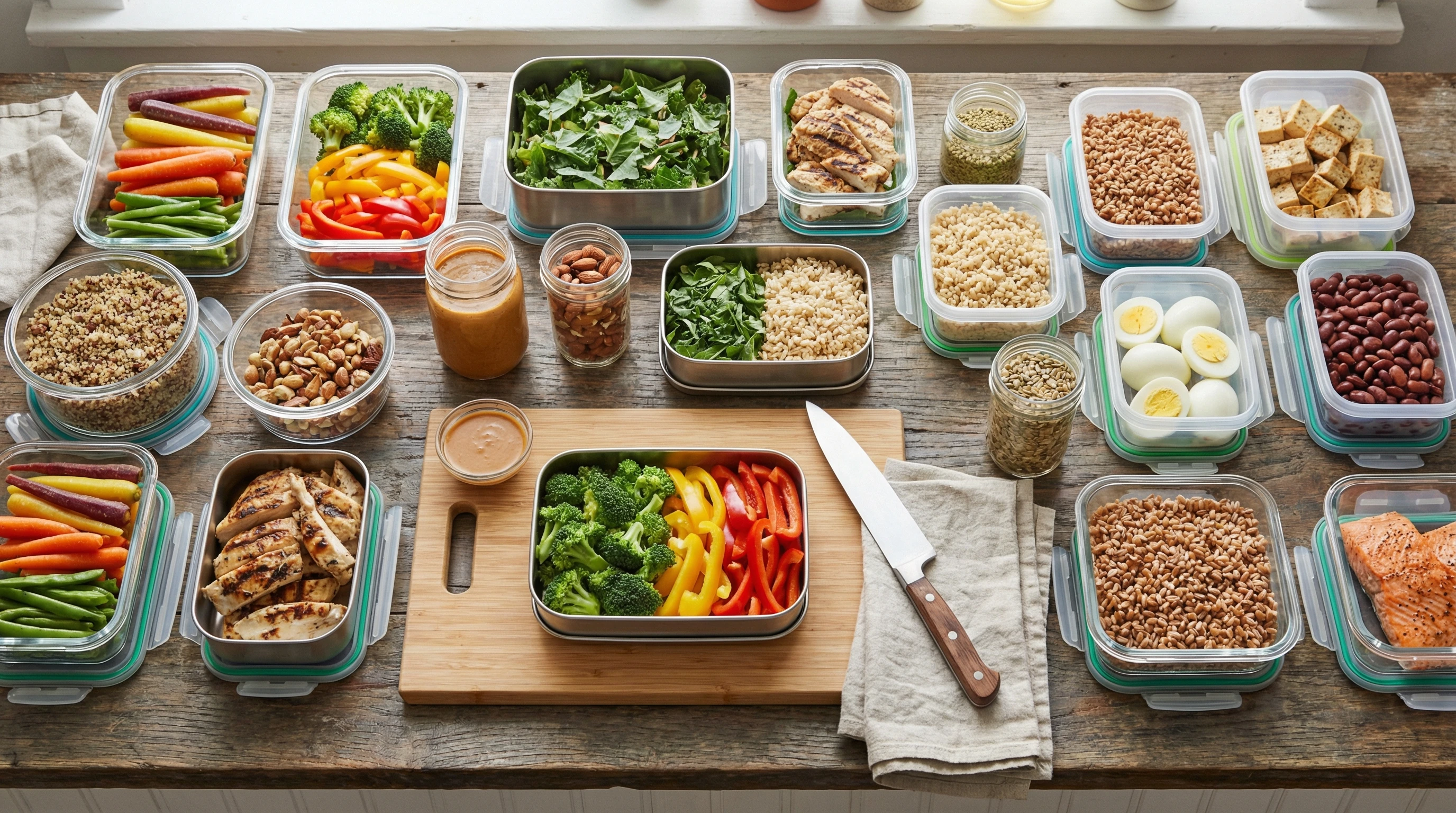
- Gather Your Gear: Having a cutting board, sharp knife, and some food containers ready before you start keeps things rolling quickly and smoothly.
- Batch Tasks Together: Treat the process like a mini assembly line. I usually tackle all the chopping at once, then move onto cooking proteins and grains together.
- Clean As You Go: Keeping your workspace tidy makes the whole process less chaotic. I fill a sink with soapy water before I start, so I can easily wash up as I move along the prep process.
Once these basic steps are set, meal prep doesn’t feel nearly as overwhelming. It’s more like a quick project you just knock out and enjoy all week long. If you’re new to meal prep, even trying just a couple of these steps can make things easier until you find your own rhythm.
Time-Saving Tools and Shortcuts Worth Checking Out
Investing in some kitchen tools can take a lot of the hassle out of meal prep. Here are a few things I use almost every week:
- Sheet Pans: Perfect for roasting big batches of veggies or proteins. Lining the pans with parchment paper means cleanup is a breeze.
- Rice Cooker or Instant Pot: A rice cooker isn’t just for rice; it’s great for quinoa, oats, and even hardboiled eggs. An Instant Pot makes soups, shredded chicken, and beans finish much faster, making meal prep easy during crunch time.
- Sharp Chef’s Knife: Taking the time to keep your knife sharp goes a long way to speed up chopping and dicing, and makes prepping ingredients much more enjoyable.
- Stackable Containers: I use BPA free containers or glass meal prep boxes to keep everything organized in the fridge. Plus, you can see what you actually have prepped and it helps reduce food waste.
- Kitchen Scale: Measuring ingredients quickly is so much easier (and more accurate) with a digital kitchen scale. It also helps with portion control if you’re tracking servings for nutrition goals.
If you’re not looking to buy extra gadgets, prepping with what you’ve already got works just fine. The main thing is having clean, sturdy containers for storing your food. Sometimes, even just using mason jars for salads or leftovers can help, and they look eye-catching in the fridge.
Common Meal Prep Challenges and How to Tackle Them
It’s pretty normal to hit a few speed bumps with meal prep. Here are some issues I’ve faced and a few ways to work around them:
- Getting Bored: Rotating food types and adding simple switches, like fresh herbs or new sauces, makes repeat meals less dull. Sometimes I swap out one veggie or protein for something new midweek to shake things up.
- Lack of Time: Focus on prepping just one thing; maybe breakfast grab-and-go jars or a couple of snacks. It’s better than nothing, and even a little prep makes a big difference throughout your week.
- Too Many Steps: Stick with recipes that don’t need a lot of complicated parts. Roasted sheet pan meals and slow cooker recipes with minimal prep work come together quickly and cut down on fuss.
- Food Safety: Allow your meals to cool before sealing them, and always store food promptly. Label leftovers with prep dates so you can spot when it’s time to use them up.
Speeding Up the Prep Process
When I’m short on time or patience, these tricks help me get through meal prep in record speed:
- Prewashed Produce: Bagged lettuce and baby carrots are always staples in my fridge. They may cost a bit more, but they save loads of time and actually get eaten more often because they’re grab-and-go.
- Frozen Veggies and Fruit: No need to chop and peel—just add to meals straight from the bag. I toss mixed veggies in stir-fries and use frozen berries in smoothies or overnight oats all the time.
- Batch Cooking Proteins: Baking a tray of chicken breasts, tofu, or turkey meatballs covers several meals in one go. If you’re a fan of sandwiches or grain bowls, it’s super handy and saves so much effort during the week.
- One Pot or One Pan Recipes: There are so many meals you can make in a single pot or pan. This approach cuts down on both cooking time and cleanup. Stews, chili, and casseroles are lifesavers for this kind of meal prep.
Smart Grocery Shopping for Faster Prep
Shopping with meal prep in mind just makes everything easier:
- Arrange your shopping list by section of the store (produce, dairy, protein, pantry). This reduces backtracking and helps you get in and out much faster.
- Buy in bulk when it makes sense, especially for grains, beans, and proteins that freeze well. Portion things out into meal-size bags to save money and time later.
- Pick multiuse ingredients, like spinach that works in salads, omelets, and smoothies, or rotisserie chicken that can be put to work in wraps and soups.
Smart Storage: Keeping Food Fresh and Tasty
Good storage really helps your prepped food stay fresh all week. I recommend cooling down hot foods before putting them in the fridge. Hot food can raise the temperature inside and make everything spoil faster, so let things come closer to room temperature first.
- Label Containers: Jot down the date you prepped each item using masking tape or a whiteboard marker—you’ll never have to guess when you made it.
- Use Clear Containers: Seeing what’s inside helps remind you to eat your prepped meals before they go bad, which can help you eat healthier and waste less.
- Rely on the Freezer: Doubling recipes and freezing portions is great for future weeks. I do this with soups, cooked rice, and spaghetti sauce all the time. Just thaw, reheat, and eat—super easy!
Advanced Time-Saving Meal Prep Tips
Once you’re comfortable with the basics, taking your meal prep routine up a notch can be super rewarding. Here are some next-level strategies that have worked wonders for me:
- Theme Your Prep: Picking a theme, like taco bowls, pasta, or something Asian inspired, makes it simple to switch up flavors without needing dozens of totally different ingredients each week.
- Double Up: Prep two batches at once—one for this week and one for the freezer. It takes almost no extra time if you’re already cooking and chopping, but it gives you quick meals in the future when you’re extra busy.
- Prep Mix and Match Ingredients: Make grains, a protein, and roasted veggies you can mix and match in different ways so meals don’t get boring. Add a couple of sauces or dressings for even more variety.
- Ingredient Shortcuts: Rotisserie chicken, canned beans, and precooked grains (in pouches or frozen versions) are super handy for saving time or filling in the gaps if you miss a prep day.
Sometimes I’ll even chop extra onions, carrots, or celery and pop them in freezer bags. This way, soups or stews get started super fast later in the month, which is a real timesaver on cold or extra busy days.
Practical Meal Prep Applications At Home
Efficient meal prep doesn’t just save time; it can make healthy eating and meal choices much easier for the whole household. For families, prepping breakfast burritos and freezing them individually has reduced our morning rush by a mile. For busy professionals, planning a week’s worth of protein bowls means lunch is sorted in seconds with no stress.
- Breakfast: Overnight oats, egg muffins, and smoothie packs make rushing out the door way less stressful and ensure you start your day with something good.
- Lunch: Grain bowls, salads, and soup are ideal for prepping ahead and take just minutes to pull together from your containers.
- Dinner: Pre-chopping veggies or marinating proteins lets you throw dinner together without a fuss right after work—no last-minute panic or extra mess!
Getting the whole household involved in meal prep, even just in small ways, can make it feel less like a solo chore and more like a team effort—and often, it helps kids or roommates appreciate meals even more.
Frequently Asked Questions
Here are some meal prep questions I get asked most often:
Question: How long do meal prepped foods last in the fridge?
Answer: Most cooked meats, grains, and roasted veggies last three to four days. If in doubt, freeze some portions before the freshness fades, and you’ll always have quick meals on hand.
Question: Is meal prepping expensive?
Answer: Prepping usually saves money in the long run because you’re reducing food waste and eating out less. Buying in bulk and using simple ingredients keeps costs down while helping you eat better, too.
Question: Can I still meal prep if I have special dietary needs?
Answer: Yes! Meal prep works well for allergies, gluten-free, or plant-based diets. You can prep base recipes and adjust or add ingredients as needed for your lifestyle and preferences.
Key Takeaways for Streamlined Meal Prep
Meal prep isn’t about being perfect or spending your whole weekend in the kitchen. Even small tweaks—like chopping veggies in advance or precooking one protein—can make weekday meals feel more relaxed. Everyone’s routine is different, so try out a few tips until you find what actually helps you save time and cook with less hassle during the week. With a few smart changes and the right mindset, meal prep can become a helpful and even eye-catching part of your weekly routine.