
Making school lunches can easily turn into a daily puzzle, especially when you want something healthy, kid-approved, and quick to pack, all without blowing your grocery budget. If you’re like me and have stood in front of the fridge at 7 a.m. feeling pretty uninspired, you know the struggle too well. I’ve stumbled through many mornings searching for ideas that tick every box: nutritious, tasty, affordable, and easy to throw together.
What Makes a School Lunch Nutritious (But Still Fun)?
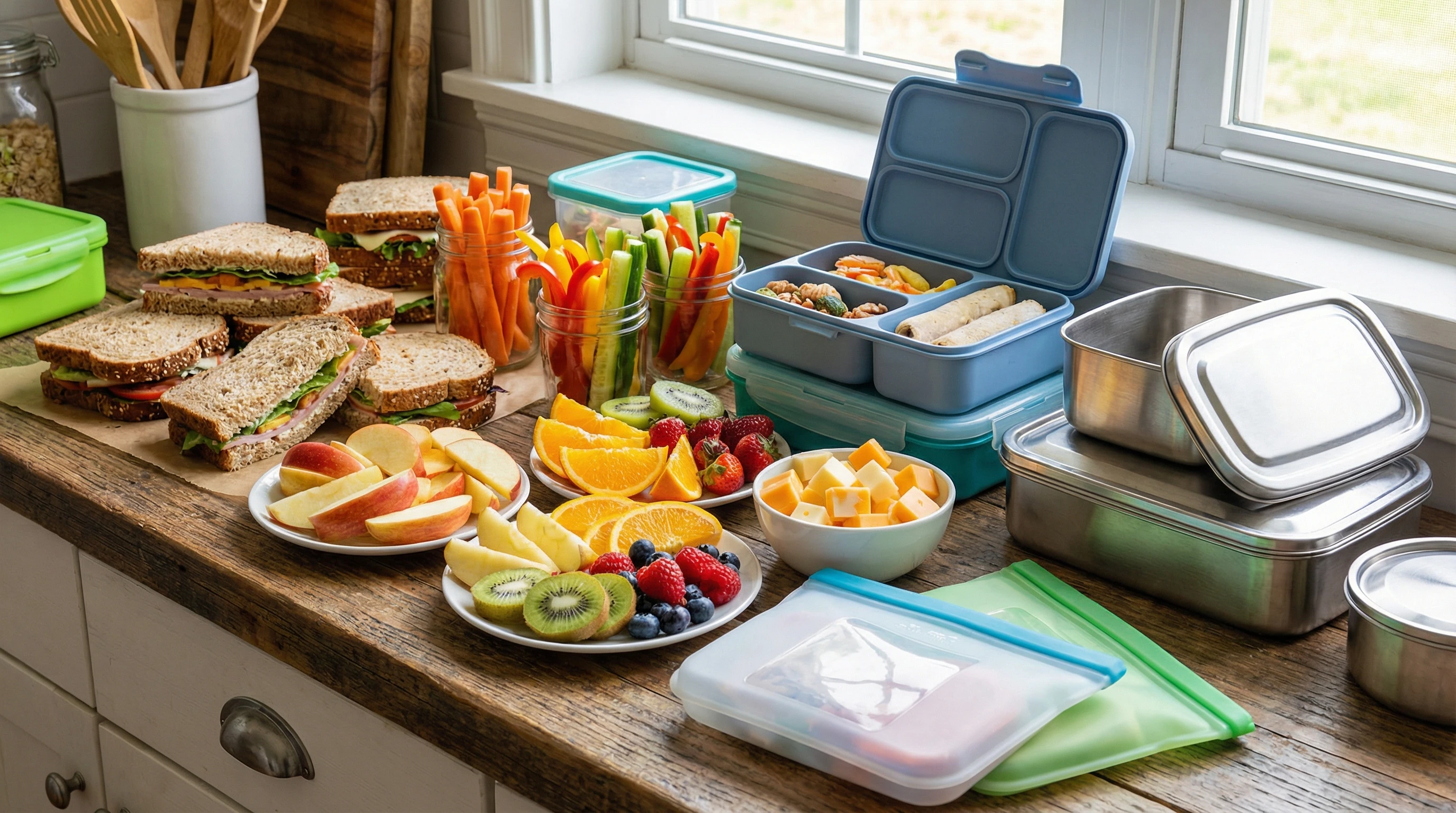
A nutritious school lunch is more than just a bunch of healthy-sounding ingredients. It’s about balance—foods that fill your kid up, help them focus in class, and don’t end up swapped or tossed. Mixing in foods from different groups gives energy for learning and playing, plus helps keep those midday hunger pangs away.
Here’s a basic formula I use for packing balanced lunches:
- Protein: Think turkey slices, eggs, cheese, nut or seed butters, or chickpeas.
- Whole Grains: Easy swaps include whole wheat wraps, brown rice, or seed crackers.
- Fruits and Veggies: Colorful and bitesize wins here. Grapes, apple slices, baby carrots, and snap peas are lunchbox staples.
- Healthy Fats: Small containers of hummus, guacamole, or a few olives make for satisfying add-ins.
Trying new combos keeps things fresh, and nonboring lunches are less likely to come home uneaten. Even small changes, like switching from white bread to whole wheat or adding a couple of berries, add more nutrition without much extra effort. Sometimes, letting your child help choose the components gives a big boost to their excitement about eating lunch at school.
Quick and Easy Lunch Ideas You Can Prep in Under 30 Minutes
Busy mornings don’t need to mean boring lunches. I’ve found that the best approach is having a few go to ideas that are super flexible and easy to mix and match based on what you find in your fridge.
- DIY Lunchables: Slice up deli meat, cheese, and whole grain crackers, then add cherry tomatoes and a small fruit. Fun, colorful, and zero cooking required.
- Wrap It Up: Spread hummus or cream cheese on a whole wheat wrap, layer with turkey or leftover grilled chicken, then toss in shredded carrots and spinach. Roll, slice, and you’re done.
- Pasta Salad: Cook pasta the night before, toss with beans, cherry tomatoes, cubed cheese, a splash of olive oil, and Italian seasoning.
- Breakfast for Lunch: Add a hardboiled egg, a mini whole wheat bagel with cream cheese, and some sliced fruit.
- Bento Box Style: A divided container with rolled up ham or tofu, some dry roasted edamame, a mix of veggies, apple slices, and a little treat, for when you want a no-fuss, eat with your fingers lunch.
Most of these can be assembled in under 10 minutes, especially if you prep ingredients the night before. Switching up just a couple of items means it’s easy to avoid lunchbox boredom too. You could swap the protein or side, and even a simple fruit trade can make the lunch feel new and tasty.
Affordable Ingredient Swaps for Budget Friendly Lunches
Fresh produce and specialty snacks can drive up the price fast, but there are plenty of ways to keep school lunches healthy without breaking the bank. I’ve learned which swaps help the most:
- Swap deli meat for canned tuna or beans: These proteins are more affordable and easy to jazz up with a little mayo, mustard, or spice.
- Use in season fruits and veggies: These tend to be fresher and lighter on your wallet. If berries are pricey, try apples or oranges instead.
- Bulk up with whole grains: Oatmeal, brown rice, and whole grain pastas are filling and budget friendly. Try leftover brown rice in chilled salads or stuffed in veggie wraps.
- Make your own snacks: Buying large bags of popcorn kernels, nuts, or whole grain crackers is often cheaper than individual lunchbox packs.
Kids are usually happy with simple snacks if the texture and flavor are good, and those homemade options can be portioned out for the week, saving time and money. Buying a block of cheese and slicing it yourself, or packing homemade muffins instead of store bought treats, adds up to big savings over time. Don’t overlook frozen fruit for smoothies or easy parfaits—they’re wallet friendly and just as nutritious as fresh options.
Smart Storage Tips to Cut Down on Food Waste
One of the biggest money savers I’ve found is better storage. Tossing mushy fruit or stale crackers adds up quickly, so I started using a few easy tricks:
- Invest in a handful of good quality containers: I like ones with tight seals and dividers, which keep foods from getting soggy or mixed together.
- Pack lunch the night before: If mornings are hectic, a prepacked lunch in the fridge saves time and keeps perishables cool longer.
- Use silicone muffin liners inside containers: These little dividers keep berries or snacks separate, and they’re reusable, win win.
- Freeze extras: Extra cooked chicken, pasta, or pancakes freeze well in individual portions. Grab and go options make packing easy even on the busiest days.
Reducing waste is all about using what you have and keeping things as fresh as possible, so those lunchbox favorites don’t just end up in the trash. You can also check what’s about to expire or go soft and work it into tomorrow’s lunch—a couple wilting strawberries are still perfect for yogurt parfaits or spreads.
Common Packing Questions (And Honest Answers)
Over the years, friends and readers have sent in loads of school lunch questions. Here are a few I hear most often, with the honest answers I give to anyone trying to make life a little easier.
How can I keep lunches cold until noon?
Answer: Buy a small, reusable ice pack and toss it in the lunch bag. For double insurance, freeze a yogurt tube or juice box; it’ll thaw by lunch.
How do I get my picky eater to eat more veggies?
Answer: Offer small portions (think a few baby carrots or cucumber coins) with a dip like ranch or hummus. Sometimes letting kids pick their own veggie in the store gets them more interested too.
Are homemade lunches always healthier than school lunches?
Answer: Not always, but you control what goes in the lunchbox. It’s easier to adjust portions and add in extra veggies or whole grains, plus you can avoid some of the added sugar and salt found in prepackaged or cafeteria meals.
What’s the best way to save time on mornings when we’re running late?
Answer: Prep what you can the night before, whether it’s cutting fruit, making a sandwich, or packing snacks. I leave the lunchbox on a single shelf in the fridge, so it’s easy to grab and go with zero early morning searching.
Extra Tips for Safe and Tasty Lunches
There are a few things I never skip, just to keep lunches safe and tasty all day long:
- Wash produce well: Even when I’m super short on time, fruits and veggies get a quick rinse to remove any dirt or residues.
- Keep hot foods hot and cold foods cold: Send a small thermos with heated soup, pasta, or leftovers, making sure it’s packed warm so it stays safe until lunch.
- Rotate the menu weekly: Switching things up each week, by protein, veggie, or snack, makes it easier for kids to try new things and stops them from getting bored.
Adding a little note, sticker, or surprise treat in the lunchbox once a week is always a hit in my house, and helps make the meal a bit more fun. Occasionally, I’ll include a silly joke or a special napkin if it’s a tough week, and it brings smiles every time.
Encouragement to Keep It Simple (And Fun!)
Perfect lunches don’t exist, and honestly, some days just making sure something nutritious gets packed is more than enough. I remind myself to keep it simple, keep listening to what my kids like (and don’t like), and add new foods a little bit at a time. If your child comes home excited about a lunch you packed, take note and add that to your regular rotation.
If you try out one of these lunch ideas this week, or have your own tips to share, I’d love to hear about it in the comments! Happy packing, and here’s to saving a little time and sanity every morning. With patience and a sprinkle of creativity, healthier—and even fun—school lunches are possible for every family.
I can’t stress enough how important it is for kids to get real, nutritious food at school, especially when a lot of cafeteria meals in the U.S. are still heavy on processed stuff, high in sugar and sodium, and miss key nutrients kids need to stay focused and feel good all day — some reports show most school lunches don’t really meet nutrition standards and can contribute to poor digestion and energy crashes.
I really appreciate you sharing this. You’re absolutely right that what kids eat during the school day plays a huge role in how they feel, focus, and function.
It can be frustrating to see so many cafeteria options still leaning heavily on processed foods, added sugars, and excess sodium, especially when we know how much balanced nutrition supports steady energy, digestion, and even mood. When meals are built around whole foods, quality protein, fiber, and healthy fats, kids are much more likely to avoid those mid-afternoon crashes and stay engaged in class.
At the same time, I try to hold space for the complexity of the system. Budget constraints, supply chains, and federal guidelines all influence what schools are able to serve. That doesn’t mean we stop advocating for better — it just means change can take time and consistent community involvement.
Conversations like this matter. The more parents, educators, and communities prioritize real, nourishing food for kids, the more momentum we build toward healthier standards and better long-term outcomes. Thanks for speaking up about it.