
Eating breakfast every day is one of those habits that can make a bigger difference in your daily routine than you might expect. I’ve noticed from my own experience how much smoother my mornings go when I grab something nutritious to start the day. The science backs up the benefits as well, from better energy levels to more balanced moods. If you’ve ever wondered why breakfast gets so much attention or if skipping it might be holding you back, this guide will break down everything you need to know.
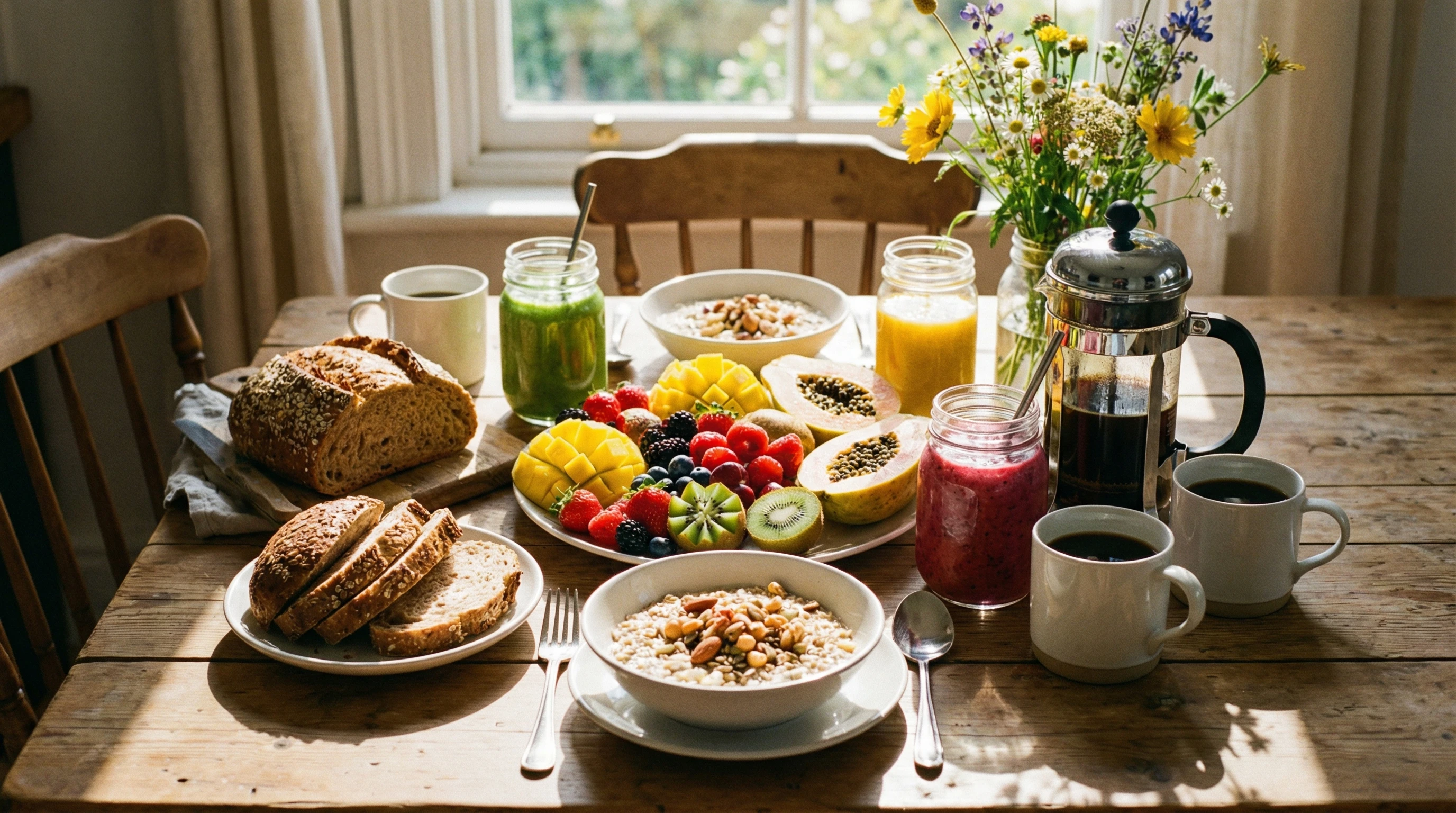
Why Eating Breakfast Matters
Breakfast sets the tone for your day by breaking the overnight fast and helping your body transition from rest to activity. Skipping this meal might sound harmless, especially when mornings feel rushed, but missing out can lead to sluggishness and poor concentration. Nutrition experts have found that eating a balanced breakfast supports metabolism, aids in weight management, and even helps people keep a more consistent mood throughout the day (Harvard T.H. Chan School of Public Health).
Lots of folks, myself included, have fallen into the habit of grabbing just a coffee or skipping food altogether when mornings get busy. But building a routine that includes even a simple breakfast can do a lot for your health and productivity. It’s not just about having an extra meal; it’s about starting off on the right foot, physically and mentally.
The Daily Benefits of a Good Breakfast
Getting in some fuel first thing in the morning is pretty handy for several reasons. Here are some key perks I’ve found most noticeable:
- Steadier Energy Levels: Eating breakfast gives your body access to important nutrients and glucose right when you need it most, helping you avoid mid-morning crashes.
- Sharper Focus and Memory: Research has shown that students and adults alike tend to perform better on tasks requiring attention and memory when they’ve eaten breakfast.
- Balanced Mood: It’s easy to get irritable when you’re hungry, so a balanced meal helps keep mood swings at bay and makes mornings less stressful for everyone involved.
- Better Blood Sugar Control: Spacing out your meals, starting with breakfast, can make it easier to keep your blood sugar levels steady, especially for folks with diabetes or prediabetes.
Putting these benefits into practice doesn’t mean breakfast has to be fancy. Even something as basic as toast with peanut butter and a banana can go a long way. Cooking eggs, blending a quick smoothie, or having cottage cheese with fruit can also offer variety while giving your body what it needs to start the day off right.
What Makes a Healthy Breakfast?
Not all breakfasts are created equal. When I’m choosing what to eat, I stick to foods that are going to fill me up and keep me feeling good until lunchtime. The big trick is combining the right types of nutrients for a balanced meal.
- Complex Carbohydrates: Foods like whole grain bread, oatmeal, or fruit offer lasting energy compared to sugary cereals or white bread.
- Protein: Eggs, yogurt, nuts, or lean meats help keep you full and support muscle health.
- Healthy Fats: Options like avocado, seeds, or nut butter are satisfying and help your body absorb vitamins.
- Fruits and Vegetables: Including fresh produce is a great way to take in vitamins, minerals, and fiber.
I try to avoid anything that’s heavy on sugar and short on fiber since those choices just leave me hungry again soon after. Swapping a sugary breakfast bar for a slice of whole grain toast with almond butter and apple slices really pays off by keeping energy up longer. Mixing in vegetables, like spinach or tomatoes into omelets, can add a nutritional punch without much hassle.
The balance in your breakfast is important. If you focus on whole foods and try to cover multiple categories in each meal, you’ll find it keeps you more satisfied and energetic throughout the morning.
Quick Guide to Building a Breakfast Habit
If you’ve struggled to fit breakfast into a busy schedule, you’re not alone. Finding an approach that works with your lifestyle makes it much more likely you’ll stick with it.
- Start Small: If breakfast feels overwhelming, grab a piece of fruit or a small yogurt to kick things off while your stomach wakes up.
- Prepare Ahead: Laying out ingredients or preparing breakfasts ahead of time, such as overnight oats or egg muffins, can save you time when mornings get hectic.
- Set a Reminder: It sounds simple, but setting an alarm or calendar note can be what gets you in the habit when you’re starting out.
- Keep It Simple: Not every breakfast needs to be elaborate. A smoothie, hardboiled egg, or whole grain toast can be thrown together fast and eaten on the go.
- Listen to Your Body: Not everyone wakes up hungry. If you prefer, try eating a light breakfast and see how your body responds over a couple of weeks.
Small changes, like laying out utensils or prepping portions the night before, go a long way in making breakfast second nature. Finding what works for you means breakfast becomes a no-stress part of the morning instead of a chore.
Challenges and How To Handle Them
Making breakfast a consistent habit comes with some roadblocks. Here’s how I manage some of the more common issues people face:
- Lack of Time: Prepping things like overnight oats, energy bites, or cutting up fruit the night before frees up precious minutes in the morning.
- Not Feeling Hungry: A small, light snack can be a good way to train your body to eat earlier. Sipping on a smoothie or a glass of milk can also help.
- Choosing Unhealthy Foods: I keep fruit, whole grain bread, and nut butters within reach as go-tos instead of grabbing pastries or sugary cereals.
- Eating on the Go: Portable breakfasts, such as granola bars with low sugar, fruit, or yogurt cups, mean you don’t need to skip breakfast just because you’re in a rush.
Managing Time-Pressured Mornings
My mornings aren’t always predictable, so I’ve had to get creative about squeezing in breakfast on days crammed with errands or work. Meal prepping on the weekend, like baking a batch of healthy muffins or portioning out bags of trail mix, has been a lifesaver. If you’ve got kids, setting up a breakfast station with easy-to-grab options makes things run smoothly as well.
Finding Budget-friendly Choices
Healthy breakfasts don’t have to be expensive. Oats, eggs, and bananas are all affordable and can be made into a bunch of different meals. Shopping for what’s in season or on sale and buying in bulk can make a real difference if you’re looking to keep costs down. Even simple meals, like scrambled eggs with toast or a bowl of oatmeal, help keep the budget in check while providing great nutrition.
Building a Routine That Sticks
The best trick I’ve found for making breakfast stick as a daily habit is to pair it with another part of my morning, like my first cup of coffee. This way it becomes a natural part of the day instead of something tacked on. If you use your morning commute or even a walk to eat breakfast, you can fold it into your schedule without stress.
Practical Breakfast Ideas That Take 10 Minutes or Less
Here are some easy favorites from my own routine, great for busy weekdays or lazy weekends:
- Greek yogurt topped with berries and a sprinkle of granola
- Smoothie with banana, spinach, frozen berries, and protein powder
- Peanut butter on whole grain toast with sliced strawberries
- Cheese omelet with chopped veggies. Make the filling the night before to save time.
- Oatmeal cooked in the microwave, topped with nuts and cinnamon
Switching up your meal keeps things interesting and helps you get a range of nutrients throughout the week. Try roasted veggie breakfast wraps or cottage cheese bowls with pineapple for even more variety. For those who savor sweet breakfasts, overnight oats with cocoa powder, banana, and walnuts offer a satisfying change.
Common Questions About Breakfast
If you’re still on the fence about making breakfast a regular part of your day, here are some questions I get asked a lot:
Question: Does eating breakfast help with weight management?
Answer: Studies suggest that people who eat breakfast regularly are more likely to maintain a healthy weight because they don’t get as hungry later in the day and can make better food choices overall.
Question: Is it okay to drink coffee for breakfast?
Answer: Coffee alone isn’t enough. While it can be part of your morning, pairing it with protein, whole grains, or fruit gives you the complete fuel your body needs.
Question: Do kids and teens need breakfast as much as adults?
Answer: Yes! Kids and teens especially benefit from a solid morning meal for better focus, learning, and overall growth. Skipping breakfast can mean running low on energy and missing out on essential nutrients.
Tips for Keeping Breakfast Interesting
A good breakfast habit is easier to keep up when you look forward to what you’re eating. Rotating your ingredients, trying new recipes from blogs or cookbooks, and keeping healthy toppings on hand can make a big difference. Sharing breakfast recipes with friends or family is another way to keep things fresh.
Add frozen fruit to smoothies, toss seeds or nuts onto oatmeal, or try savory options like breakfast burritos or avocado toast for a change of pace. The more enjoyable breakfast is, the more likely it is you’ll stick with it longterm. If you get tired of the typical foods, check out food blogs for inspiration to keep your mornings fun.
Sticking With the Habit for the Long Haul
Fitting breakfast into your morning can make a real difference in your energy, focus, and wellbeing, whether you’re tackling work, school, or family responsibilities. Each small change, from prepping ahead to picking more nutrient-dense foods, adds up over time. If you’ve been skipping breakfast, start small and see what kinds of meals help you feel your best.
The benefits go beyond a morning boost. They show up throughout your day and your week. Finding a couple of breakfast combos you love and making them part of your routine pays off in a big way. Small changes today lead to better habits and more energy for whatever comes next.