
Meal prepping dinner for the whole week is one of those habits that can save a ton of time, money, and stress. It’s not about spending your Sunday buried in pots and pans. Really, it comes down to a bit of planning and a few smart strategies. I’ve been meal prepping for a while, and every time I stick with it, I end up eating better and feeling less rushed around dinnertime. Let me break down why meal prepping dinners works so well and walk you through how you can get started without losing your weekend.
Why Prepping Dinners for the Week Changes the Game
Having dinner ready to go at home is pretty handy, especially on those nights when you get home hungry and don’t feel like cooking. Planning dinners for the week can help cut down on last-minute takeout, and gives you a healthy option waiting in the fridge. It can also help with portion control, lower your grocery bills, and make it easier to stick to nutrition goals if you have them.
Grocery stores are full of processed and quick meals, but these often come loaded with way more salt, sugar, and fat than you’d ever put in your own cooking. When you prep at home, you get control over ingredients and can experiment with spices and flavors in a way that fits your family and routine. Plus, prepping for the week usually means fewer dishes and quicker cleanup on busy nights.
According to studies from organizations like the Academy of Nutrition and Dietetics, planned meals tend to lead to more balanced plates and a bigger variety of nutrients. Families that prep also report feeling less stressed about the “what’s for dinner?” question every day.
Planning Your Meal Prep Week
Great meal prep starts with a little planning. I always look at my week, checking whether I have late meetings, sports practices, or days when I just know dinner needs to be fast. Mapping this out helps figure out which meals should be super low effort and which ones can be a bit more involved.
You don’t have to prep every single dinner for the week. Many people aim for four or five nights, then leave a night or two for leftovers, takeout, or a spontaneous meal. For beginners, starting small is key. Pick two or three meals to prep and build from there. Here are a few things to sort out before cooking day:
- How many dinners? Decide if you want to prep one meal for every night or just enough to cover the busiest ones.
- Pick meals that keep well. Some dishes reheat much better than others. Think of foods like stir fries, curries, soups, pasta bakes, or roasted sheet pan meals.
- Balance variety and simplicity. Choose a mix of flavors and main ingredients so dinner never feels repetitive.
- Check your calendar. Make note of any nights you’ll be out or want something special.
Easy Dinner Meal Prep Ideas
Some foods are just built to last in the fridge or even the freezer. I’ve had the best luck with these types of dinners whenever I prep:
- Stir Fries: Colorful veggies and your choice of protein tossed with a quick sauce and served over rice or noodles. Make a big batch, and it will taste good for days.
- Sheet Pan Dinners: These are my go to on busy weeks. Just spread protein and veggies on a sheet pan, toss with some olive oil and seasonings, and roast.
- Casseroles & Pasta Bakes: Lasagna, baked ziti, or enchilada bakes tuck away in the fridge and don’t dry out when reheated. You can swap veggies and proteins based on what’s on hand.
- Soups & Stews: These usually taste even better the next day. Lentil soup, chili, or chicken stew can go from fridge to bowl to microwave in minutes.
- Grain Bowls: Cook a bunch of quinoa, rice, or farro, and add different toppings for a mix of flavors, from Mediterranean chickpeas to Southwest chicken bowls.
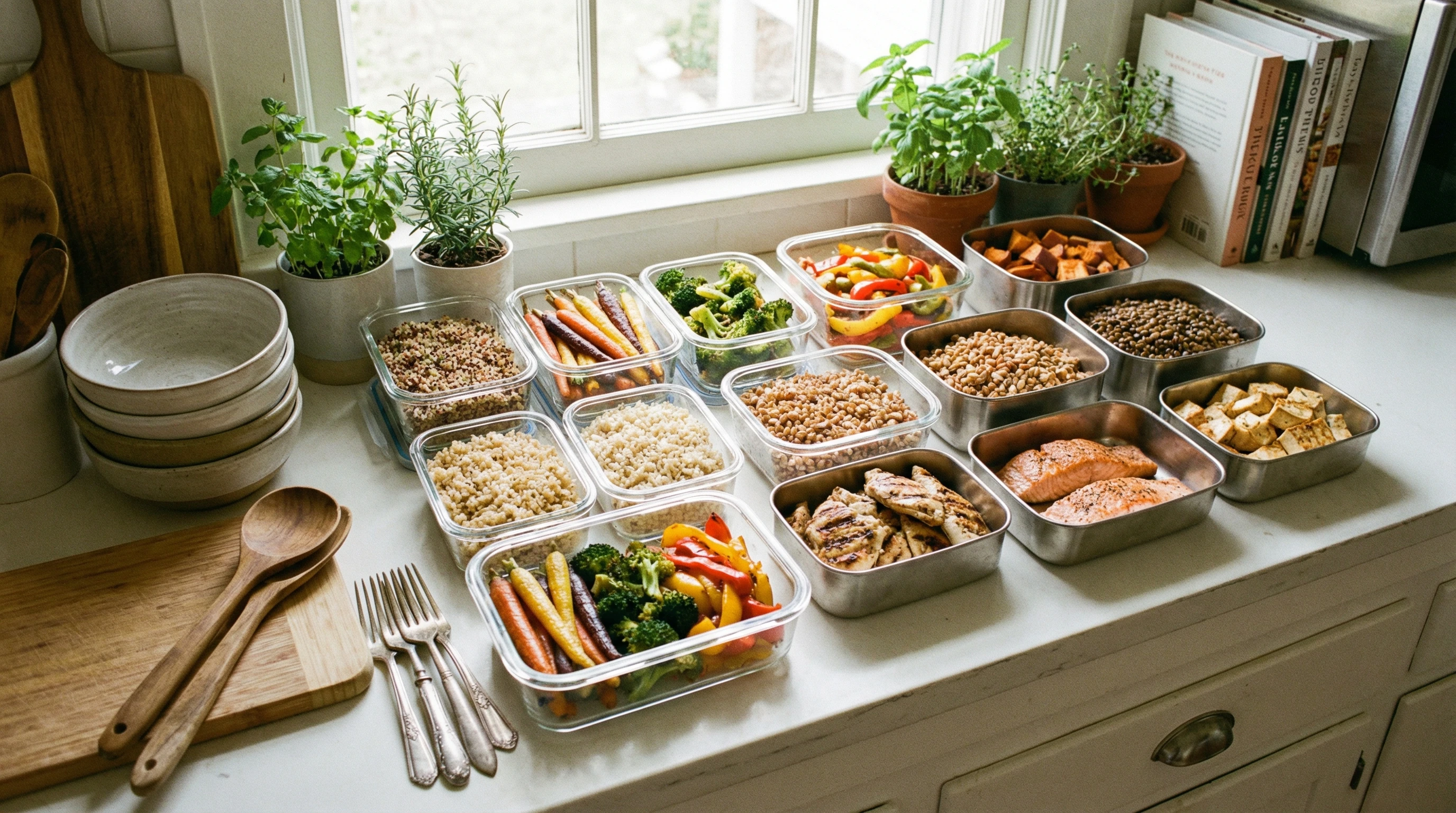
I like to prep basic components in batches as well, things like grilled chicken, cooked grains, roasted vegetables, or homemade sauces. Then I mix and match for a variety of dinners during the week.
Step-by-Step Guide: How I Meal Prep Dinner for the Week
The easiest way to get into meal prepping is with a simple routine. Here’s how I typically break down my prep:
- Pick Your Recipes: Start with two or three dinners you know you enjoy and are easy to make in batches.
- Make a Shopping List: Write down every ingredient you’ll need, checking your fridge and pantry to avoid double buying.
- Set a Prep Day: Most people use Sundays, but any day that fits your schedule works. You need a couple of hours (less as you get better at it).
- Batch Cook: Chop all produce first, cook proteins, grains, and sauces, then assemble as much as possible into containers.
- Cool & Store: Let everything cool completely before you snap lids shut and stack containers in the fridge. I use glass containers so I can see what I’ve got, but any airtight container will do.
No need for complicated systems or expensive gadgets. A few good knives, a baking sheet, and enough containers are usually enough. I keep my playlist going during prep and the time flies by.
Potential Challenges & How to Tackle Them
Meal prepping has a lot of positives, but anyone new to it will bump into a few snags at first. Here are some common ones I’ve faced, and how I handle them:
- Getting Bored: Eating the same thing all week can get dull quickly. I keep basics like rice, roasted veggies, or protein separate, then jazz them up with different sauces, dressings, or toppings each night.
- Food Going Bad: Not all meals last five or six days. Stick with recipes known to hold up, and if in doubt, freeze extra portions for later.
- Running Out of Time: If a full prep session isn’t possible, I’ll prep ingredients like washed greens, cut veggies, and a cooked protein. Or I double up dinner one night to have extra leftovers.
- Lack of Space: Small fridge? Go for one pot meals, stews, or freeze a few portions instead of chilling everything at once.
Keeping Meals Fresh
Most prepared dinners last around 4 days in the fridge, but anything past that might be safer to freeze. When reheating, make sure you heat everything until it’s steaming hot. Keeping sauces separate until serving can also help keep things from getting soggy.
Customizing for Dietary Needs
Meal prepping works for any eating style. Gluten free, vegetarian, low carb, or otherwise. Swapping out proteins, grains, or seasonings lets you build what your household likes and fits dietary needs without a ton of extra work. For example, replace chicken with chickpeas or swap out wheat pasta for brown rice to fit your family’s preferences.
Extra Tips for Smarter Meal Prepping
After a while, you pick up a few tricks that make the process smoother and food taste better all week:
Mix Up Flavors: Prepping a couple of sauces, like peanut sauce, salsa verde, or garlic yogurt, can totally change a standard dish into something new.
Go for Texture: Add some raw veggies or nuts just before serving to keep things from feeling mushy.
Invest in Good Containers: Stackable, leakproof containers save fridge space and prevent spills. Mason jars work well for soups, and you can even store salads with dressing at the bottom for freshness.
Label Everything: Use masking tape to mark what’s in each container and the prep date. It stops the “what is this mystery dish?” question and makes it easier to grab what you need each evening.
Common Questions About Meal Prepping Dinners
I get plenty of questions from friends and readers about meal prepping dinners. Here are some I hear most often:
How long does dinner meal prep actually last in the fridge?
Most cooked dinners keep well for 3–4 days. For anything you won’t eat within that window, freezing is a solid option. Just thaw in the fridge the night before, and reheat until hot.
What if I don’t want to eat the same meal every night?
Mix and match ingredient batches, such as proteins, grains, veggies, and sauces, so you can put together different meals with similar basics. Changing toppings and condiments keeps things interesting and makes meal prepping more fun.
Is meal prepping costly?
Buying in bulk for several meals can actually lower your grocery spend, and having planned leftovers means less money wasted on takeout or impulse grocery store runs. Plus, you’re more likely to use up ingredients and keep your fridge tidy.
A Few Favorite Meal Prep Tools
Some kitchen tools really help smooth out the process, but you don’t need a professional setup. Here are ones that make my prep a whole lot easier:
- Good chefs knife and cutting board
- Baking sheets and casserole dishes
- Rice cooker or Instant Pot (for grains or batch stews)
- Glass or plastic storage containers in different sizes
- Freezer bags for extra portions
Getting into a rhythm with meal prepping dinner doesn’t have to feel like a massive project. A little planning, the right meals, and a few time-saving basics make weekday dinners feel a lot less overwhelming, and way more delicious. Once you get a groove going, you might even look forward to your weekly prep session.