
If you’re usually pressed for time or aiming to cut down on food costs, meal prep is a pretty solid strategy that’s helped me keep both my schedule and my wallet under control. Setting aside a chunk of time once or twice a week to get meals ready isn’t just about convenience; it’s a worthwhile change that can make a real dent in stress and expenses. Here’s everything I’ve picked up about meal prep and some handy hacks that can save you both money and precious minutes.
Why Meal Prep Makes Sense for Saving Money and Time
Food spending has a way of creeping up on me, especially when takeout starts becoming the default. With meal prep, I get meals planned out, made with ingredients I’ve picked, for a fraction of what I’d pay at restaurants or for convenience foods. That’s not the only benefit, though. Once the work’s done up front, weekday lunches and dinners almost take care of themselves.
Meal prepping also means less food waste. I’m actually using that bag of spinach or that leftover grilled chicken, not letting it wilt or go stale. When I shop with a plan, ingredients are set aside for specific recipes, so fewer odd bits end up in the trash. According to the USDA, the average American tosses out a big portion of groceries each week, which wipes out money that could go toward a bill, a fun outing, or savings.
Meal Prep Basics: Getting Started Without Getting Overwhelmed
Starting meal prep doesn’t mean cooking a week’s worth of food in one sitting (unless that sounds good to you). Even prepping a few days ahead gives plenty of benefits. Here are a few ways I make meal prep less stressful and more effective:
- Plan Simple Meals: I stick to recipes I already enjoy that use inexpensive ingredients like rice, beans, or frozen veggies. Complex recipes tend to add both cost and cook time.
- Work With What You Have: I check my fridge and pantry first, choosing recipes that use up what’s already there before buying more.
- Opt For Batch Cooking: Making a big pot of chili, soup, or stirfry gives me options for several days. If I get tired of eating the same thing, I freeze a portion for later.
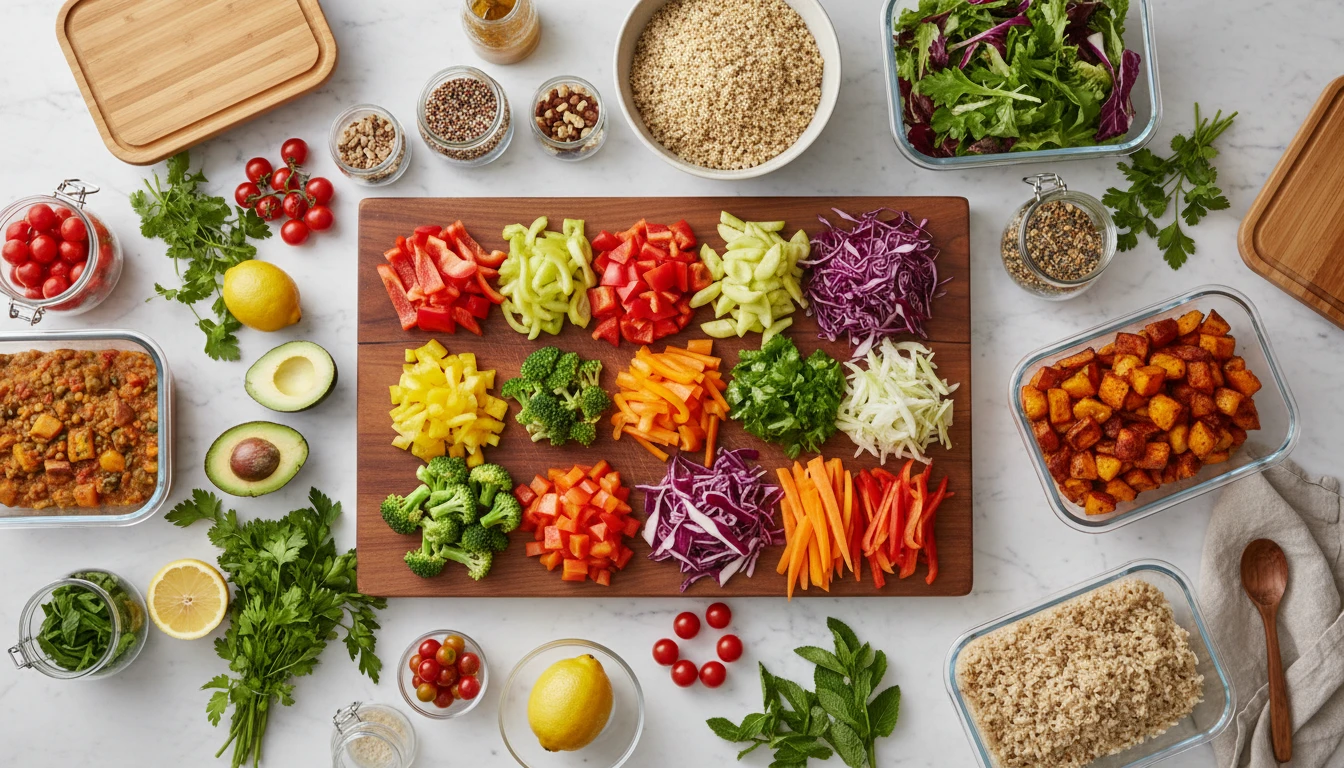
- Prep Ingredients: Chopping onions, slicing peppers, or portioning proteins ahead really speeds up midweek cooking. Sometimes prepping just the basics makes weeknight assembly super fast.
Quick Guide: My Go-To Meal Prep Steps
When I plan a meal prep session, I try to keep it straightforward and practical. Here’s my go-to strategy for busy weeks:
- Pick the Meals and Write a List: I start by picking 2 to 3 lunch and dinner recipes and cross-checking ingredients with what I already have.
- Shop Smart: I buy in bulk when possible (hello, cost savings) and choose versatile ingredients I know I’ll actually use.
- Choose a Prep Day: I set aside one or two sessions a week, usually Sunday and Wednesday evenings, for prepping. Scheduling it in keeps me from procrastinating.
- Cook, Portion, and Store: After cooking, I portion the meals into containers, so they’re ready to grab and go. Transparent containers help me keep track of what’s left.
- Label and Date: A bit of tape with the cooking date means nothing gets pushed to the back and forgotten.
Having these steps in place cuts decision-making and makes takeout way less tempting on especially busy or exhausting days.
Things Worth Thinking About Before Jumping Into Meal Prep
Meal prep is pretty straightforward, but a few common challenges pop up for most folks (myself included). Knowing how to handle them is super important if you want your meal prep habit to stick:
- Burnout: Eating the same dish all week gets boring fast. I try to mix up recipes and add different sauces, toppings, or sides to keep things interesting.
- Storage Woes: Not all containers are created equal. Investing in sturdy, leakproof containers that work in the fridge, freezer, and microwave makes my life much easier.
- Freshness: Some foods hold up better than others. Crisp salads or certain proteins might need prepping closer to when I plan to eat them.
- Portion Control: Over prepping leads to overeating, while under prepping means surprise takeout orders. Portioning meals accurately helps me stick to both my budget and nutrition goals.
Dealing With Food Burnout
One of my top tips: Build variety into your prep. I’ll prep a starch (like brown rice), a protein (like grilled chicken or beans), and a few different veggies. Mixing and matching with seasonings or toppings keeps my lunches and dinners from feeling like reruns.
Container Choices That Make Life Easier
Reusable glass containers with tight lids are pretty handy. I can see what’s inside, stack them in the fridge, and they go right from fridge to microwave. If you’re focused on meal prep for lunch at work or school, a bento style container with sections saves food from getting soggy.
Getting Food to Last
Foods like roasted vegetables, cooked grains, and hard-boiled eggs keep for several days. Salads hold up better if I keep dressing separate until right before eating. Soups and stews freeze well if I want to rotate meals week to week.
Advanced Tips and Tricks: Meal Prep Like a Pro
I’ve been meal prepping for years, so here are some of the things I’ve learned that really dial up the savings and time management:
Double Up on Ingredients: Recipes that use the same veggies, grains, or proteins in different ways help me buy in bulk and limit leftovers. For example, roasted sweet potatoes can go into a Buddha bowl, a breakfast hash, or tacos.
Seasonings Are a Game Changer: I use spice blends, salsas, and sauces to transform basic chicken or rice into new dishes. A batch of shredded chicken can be tossed with barbecue sauce one day and curry paste the next.
Frozen Veggies and Fruits: These keep costs down and help avoid wasted produce. They’re prechopped, which is super convenient for weeknight recipes.
One Pot or Sheet Pan Meals: Cooking everything together means less cleanup and lets me multitask while food’s in the oven.
Meal Prep for Snacks: Packing up sliced veggies, mixed nuts, or homemade trail mix keeps my snack spending under control and staves off hangry grocery runs.
The Basics: Recommended Tools and Ingredients
A handful of kitchen tools can make meal prep faster and less frustrating:
- Sharp Chef’s Knife and Cutting Board: Chopping goes faster and safer with a good knife and a sturdy board.
- Set of Storage Containers: I like having different sizes (some for meals, some for snacks or leftovers).
- Sheet Pan and Big Pot: Most of my batch meals start or finish in one of these.
- Labels and Tape: Quick labels keep the fridge organized and make sure nothing goes to waste at the back of the shelf.
When it comes to pantry basics, I usually keep rice, pasta, canned beans, lentils, broth, and a range of frozen veggies on hand. These staples form the backbone of dozens of quick, tasty meals.
- Batch Cooking Example: I use a big pot of lentil soup for both dinner and lunches, then pack whatever’s left into the freezer for busy days ahead.
- Smart Swapping: Swapping in less expensive cuts of meat or plant-based proteins gives me meals that are both affordable and filling.
- Bento Box Lunches: These make it easy to bring variety without extra hassle; some days I’ll mix in fruit or dip, or add a hardboiled egg for extra protein.
Frequently Asked Questions
Here are a few of the questions I came across most when first getting started with meal prepping:
Question: How do I keep my prepped meals from getting soggy or bland?
Answer: I keep sauces and dressings separated until mealtime, and I wait to cut up things like tomatoes or cucumbers for salads until just before eating. A sprinkle of fresh herbs, grated cheese, or a squeeze of lemon can make any meal perk up.
Question: Is it cheaper to meal prep than buy lunch every day?
Answer: Based on my experience, meal prepping is way less expensive. Even when buying higher quality ingredients, homemade meals almost always cost less per serving; plus you’re not paying for the extra packaging or delivery fees.
Question: I get bored with leftovers. How can I keep things fresh?
Answer: Rotate between two or three recipes a week or use basic building blocks (like cooked grains or proteins) to assemble different meals each day. Sauces, dips, and toppings go a long way in mixing things up.
Meal Prep for Real Life
Meal prep is one of those habits that pays off every week, not just in money and time saved, but in less stress and more homecooked food. I’ve found it can flex to just about any diet or lifestyle, whether you’re aiming to eat healthier, save up for a big trip, or keep your schedule a bit saner. With a small investment in planning and tools, meal prep becomes something that feels like a treat to yourself; no fancy chef skills required.
With these hacks, it gets a lot easier to eat well, stick to your budget, and reclaim a little more downtime during the week. I hope you find these tips helpful as you start or take up a notch your own meal prep routine.