Keeping portion sizes in check can feel impossible when life is busy, dinner hours are hectic, and grocery costs climb faster than my ability to meal plan. I know I’m not alone in wanting easier ways to eat well without spending a fortune, wasting food, or sacrificing flavor. That’s why I’ve learned to rely on practical portion control and quick meal prep strategies to make weekdays easier and more affordable.
Why Portion Control Matters (and How It Helps on Busy Days)
It’s easy to lose track of how much I’m eating when I’m tired, distracted, or in a time crunch. Restaurant serving sizes keep getting bigger, and even at home, I catch myself piling food onto a plate by habit rather than hunger. Portion control isn’t just about keeping calories reasonable. It helps me reduce food waste, stretch my food budget, and avoid that overstuffed feeling after meals.
Understanding what a “portion” really looks like and building some simple routines into my week helps me feel full, stay energized, and even have room for a treat when I want one. The magic really happens when I combine portion control with meal prep. Suddenly my fridge is stocked with easy, ready-to-eat meals and snacks, and I don’t have to start from scratch every night.
Getting Started With PortionControlled Meal Prep
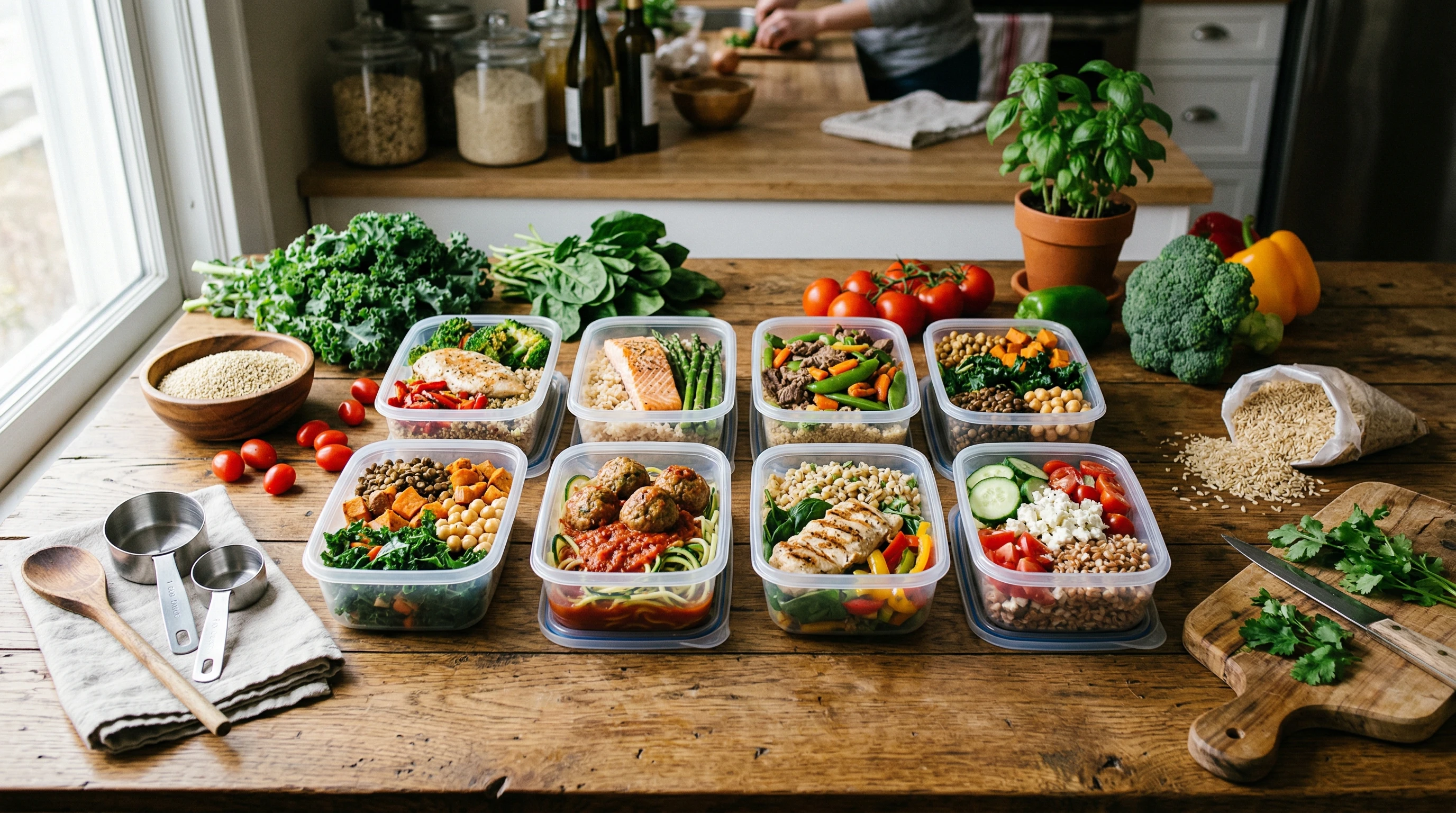
One of the first things I learned is that I don’t need to buy expensive meal kits or invest in fancy gadgets to keep portions under control. All I really need are a few clear food storage containers, a set of measuring cups or a digital scale, and a smooth routine that fits my schedule.
- Containers: I use reusable glass or BPAfree plastic containers (about 2cup capacity) for lunches and 1cup containers for snacks. Mason jars work just as well. Clear containers make it easy to see what I’ve got and stop me from guessing serving sizes.
- Measuring tools: At home, I use measuring cups and sometimes a food scale when I’m dividing up bulk ingredients like rice, beans, or roasted veggies. Eventually, estimating a portion by sight feels natural, but in the beginning it saves me time and effort.
On Sundays or whenever I have a free hour, I prep and portion ingredients for a few days’ worth of meals and snacks. This lets me control what goes into each serving and saves time during the week when I’m too tired to cook from scratch.
Fast Meal Prep Strategies for Portion Control
I stick to a simple formula for fast, balanced meals:
- Half the container: nonstarchy veggies
- A quarter: lean protein (chicken, beans, tofu, eggs or canned tuna)
- A quarter: whole grains or starchy veggies (brown rice, sweet potato, quinoa, whole wheat pasta)
This works for both hot meals and salads. I fill my containers, snap on the lids, and stack them in the fridge so I have healthy portions ready to go. Here are three of my goto meal prep ideas that only take about 30 minutes:
- Sheet Pan Chicken & Veggies: Chop your favorite veggies (like broccoli, carrots, bell peppers, or zucchini), toss them with olive oil and seasoning, and spread along with chicken breast or thighs on a baking sheet. Bake at 400°F for 2025 minutes.
- Bean & Quinoa Bowls: Cook a batch of quinoa, open canned black beans (rinsed), and chop veggies like cucumber, cherry tomatoes, and spinach. Divide into bowls, add your favorite salsa or vinaigrette, and top with a sprinkle of cheese or avocado.
- Egg Muffin Cups: Whisk eggs with chopped spinach, peppers, and a handful of cheese. Pour into a greased muffin tin and bake at 375°F for 1520 minutes. These are perfect for quick breakfasts or snacks.
All these meals store well, reheat easily, and can be adjusted for whatever ingredients I have on hand. If you want even more variety, try switching up the herbs and spices, or use a squeeze of lemon for freshness. Having a few different sauces or dressings on hand, like a homemade vinaigrette or a yogurtbased dip, can give a boost to the same basic prep all week.
Affordable Ingredient Swaps and Reducing Food Waste
Meal prep can feel expensive if I rely only on precut veggies or individual snack packs. I save money by choosing versatile, affordable ingredients and making swaps based on sales or what’s in my pantry:
- Frozen vegetables are just as nutritious as fresh and often cheaper. I keep a big bag on hand for quick stirfries or to toss into soups and grain bowls.
- Canned beans or lentils (no salt added) are cheaper than deli meats and pack plenty of protein and fiber.
- Whole grains bought in bulk (like oats, brown rice, or farro) save money in the long run and last for months.
- If I run out of one ingredient, I improvise. For example, brown rice can stand in for quinoa, or shredded carrots can fill in for bell peppers.
I also try to store prepped meals and ingredients so they stay fresh longer. Placing paper towels in salad containers absorbs moisture and extends shelf life. I label leftovers with dates, so nothing gets forgotten in the back of the fridge. When produce is wilting, I’ll chop and freeze it for soups or smoothies later in the week. Keeping a list of what’s in the freezer on the fridge door helps cut down on food waste and makes meal planning easier. Before grocery shopping, I try to use up what I’ve already prepped to avoid unnecessary purchases.

Common Questions About Portion Control and Quick Meal Prep
How can I eat healthy on a tight budget?
My biggest advice is to build meals around budgetfriendly staples—think beans, eggs, whole grains, and seasonal produce. Shopping the discounted or clearance section helps me stumble upon affordable options I wouldn’t have tried otherwise. I don’t shy away from generic or storebrand items; often the quality is just as good. Cooking at home and portioning meals ahead of time keeps me from overspending on takeout when I’m hungry and tired. Planning leftovers for lunch or using dinner leftovers in new ways, like as the base for a salad or grain bowl, helps keep costs down and provides plenty of variety.
What are quick, nutritious meals for busy weeknights?
I stick with meals that use minimal ingredients and one pan or pot. Stirfries, grain bowls, omelets, and burrito bowls are favorites. If I prep cooked grains and veggies in advance, dinner can come together in less than 15 minutes with almost no cleanup. Rotisserie chicken, canned salmon, or precooked lentils are lifesavers on the busiest days. You can even use bagged salad mixes as a base for a meal—just add protein and a grain for something satisfying and fast.
How do I avoid getting bored with meal prep?
Mixing up sauces, spices, and dressings helps meals taste fresh even if I’m using the same base proteins and grains. I change my meal prep rotation every week or two. Sometimes I’ll add pickled veggies, toasted nuts, or sliced fruit to keep things interesting. When I’m craving something new, I check food blogs for inspiration and challenge myself to try one new recipe per week; nothing fancy, just something different to keep things interesting. If you’re into global cuisines, try adding curry paste or a simple teriyaki sauce to your meals for a fresh spin.
What are some tricks for portioning snacks?
I preportion snacks into individual containers or baggies using a halfcup measuring cup. Carrot sticks, grapes, nuts, and popcorn all keep well this way, and I’m less likely to overdo it when snacks are grabandgo. If I want something sweet, I go for singleserve yogurts, sliced apples with peanut butter, or a homemade energy bite or two; portioning keeps treats satisfying but not over the top. To mix it up, occasionally prep snack plates with a small bit of cheese, wholegrain crackers, and fruit for balance.
Smart Storage and MakeAhead Tips
Meal prep only helps me if I actually eat what I make, so I organize my fridge so lunches and snacks are at eye level—the first thing I see. I keep grabandgo containers in the front so I’m not tempted by less healthy choices. Batchcooked proteins (like grilled chicken, boiled eggs, or baked tofu) go into airtight containers for up to four days. For longer storage, I freeze meal portions and just reheat as needed.
Sometimes I freeze leftover rice, beans, or cooked veggies in ice cube trays. These small cubes are easy to toss into stirfries or soups for extra nutrition and no food waste. I also keep a “use first” bin in the fridge for items that need to be eaten within a day or two, which helps me prioritize what to grab next. Keeping snack items and premade salads at the edge of the fridge shelf means they’re always within reach during a busy week.
Encouragement to Get Started (and Keep It Real)
Trying to overhaul everything at once usually leaves me overwhelmed. Instead, I started with one or two small habits, like prepping my next day’s lunch or portioning out snacks for work. The more I practiced, the easier meal prep and portion control became. I still have days where takeout sounds easier, but having prepped meals waiting in the fridge is a huge help.
If you’re new to portion control or meal prep, just pick one meal this week to portion out ahead of time. Share what works—or doesn’t work—for you in the comments and swap ideas with others. Small steps really add up, and soon it feels like second nature to eat well, stay on budget, and waste less food. I’d love to hear your favorite quick meal prep wins and any clever tips you’ve stumbled upon! Don’t hesitate to reach out; sharing ideas only makes the adventure of eating well even more fun for everyone.