Meal prepping has really helped me eat healthier and save money, and having the right gear makes a big difference. When you use affordable, easy to clean containers and handy tools, planning out a week’s worth of food feels much less like a chore. With so many options out there, it’s pretty useful to know what works and what’s just hype. So, I’ll break down the containers and small gadgets that’ll help turn anyone into a meal prep pro without breaking the bank.
Why Low Cost Meal Prep Gear Is Worth Checking Out
Meal prepping isn’t about fancy gear. It’s just about practical stuff that’s durable and simple to use. Over time, grabbing cheap, flimsy gear adds up or just leads to a messy kitchen. Investing once in a handful of decent tools makes prepping faster, cleanup easier, and keeps your food tasting fresher. The meal prep market has grown huge; food storage alone is expected to hit over $13 billion by 2027 (MarketsandMarkets report), and there’s more competition than ever to make affordable, well designed containers and gadgets.
On a weekly basis, the right setup lets me portion meals out ahead of time, avoid single use plastics, and reuse tools for snacks, leftovers, and even lunches on the go. The savings add up fast. Plus, the convenience is hard to beat if you’re busy or looking to manage grab and go eating. Having reusable gear also lets you support more sustainable habits, further boosting the appeal for budget conscious, environmentally aware home cooks.
Core Containers for Easy Meal Prep
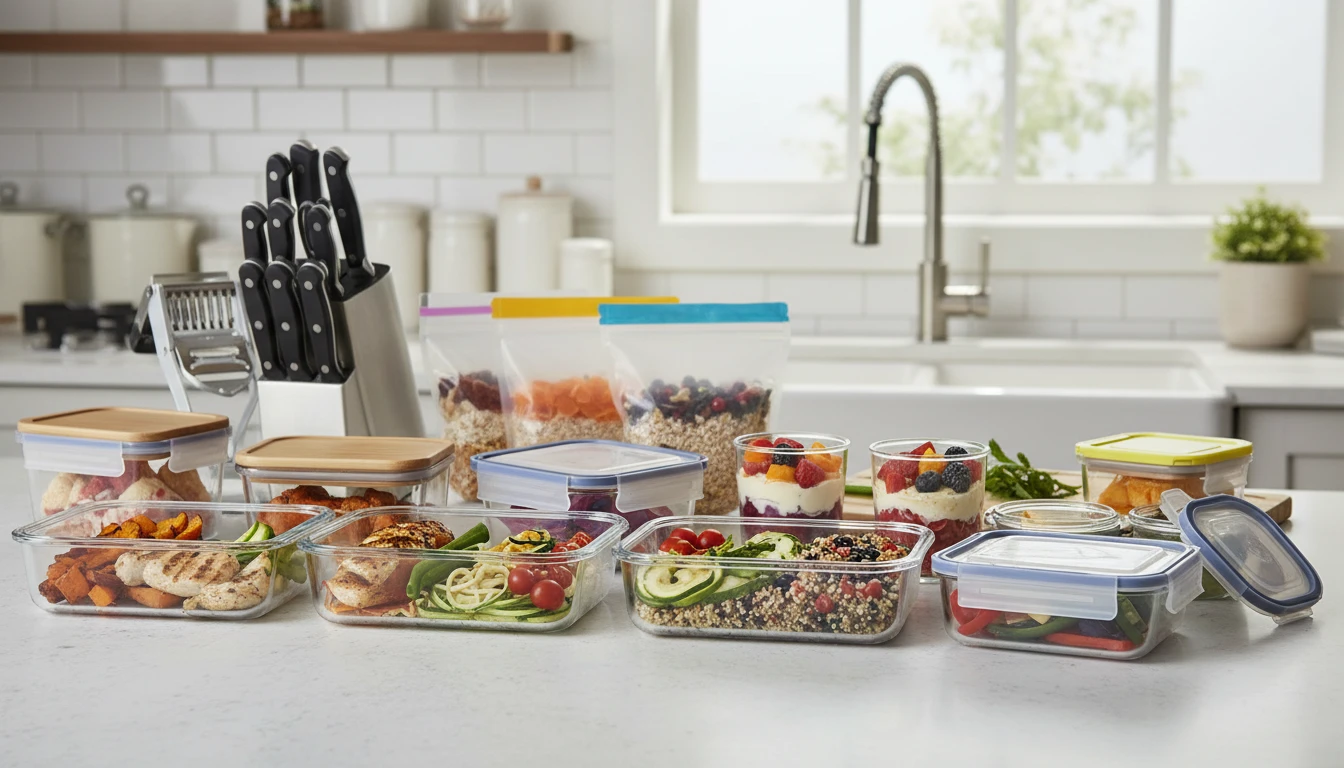
The basics really matter here. I’ve tried plenty, but a few categories rise to the top for convenience, cleaning, and price. Here’s what I keep on hand and recommend to friends who want to make meal prepping a habit:
- Reusable Plastic Containers: Lightweight, stackable, and microwave safe. Look for sets with leakproof lids. Brands like Rubbermaid and Snapware are both reliable and budget-friendly.
- Glass Meal Prep Containers: They’re a little heavier but won’t stain or absorb smells. Perfect if you want to reheat stuff in the oven or prefer not to use plastic.
- Bento Style Boxes: Great for portion control and keeping foods separate. They’re pretty handy if you like prepping a bunch of snacks or want a little variety in each meal.
- Reusable Silicone Bags: These work well for storing snacks, chopped veggies, or even marinating meats. They go in the freezer or boil for sous vide cooking too.
Handy Tools That Make Meal Prep Smoother
Outside of containers, a few inexpensive gadgets have saved me a ton of time. These aren’t big ticket items, but they pull a lot of weight week after week. So, here’s what I keep close by:
- Manual Chopper or Food Processor: Even a small manual chopper makes prepping onions, garlic, and veggies way faster. Electric food processors are nice, but not necessary for basic prepping.
- Digital Kitchen Scale: Helps with portion control, especially for anyone tracking macros or calories. Basic models run under $15 and last for years.
- Measuring Cups and Spoons: Simple, stackable sets are cheap but super important for everything from grains to spices.
- Silicone Baking Mats: Toss these on trays for roasting. Nothing sticks, so there’s less cleanup, and you skip the parchment paper or foil.
- Portable Sauce/Dressing Containers: Tiny leakproof containers are perfect for keeping sauces and dressings separate until you’re ready to eat.
How to Pick the Right Containers & Tools
Not all meal prep gear is created equal. I look for a few specific qualities because I don’t want to deal with frustrating lids, leaks, or stuff I can’t toss in the dishwasher. Here are a few things I watch for:
- Leakproof Lids: If you pack meals for work or school, having reliable lids is super important to avoid any messes in your bag.
- BPA Free Materials: Both glass and reputable plastic brands safely store leftovers and daily meals. Look for BPA free labels on anything that’ll touch real food.
- Stain and Odor Resistance: Some cheaper plastics end up stained from tomato sauce or start absorbing smells. Glass and silicone stay looking new much longer.
- Snackability: Space is always limited, so containers that nest or stack are easier to store in the fridge and won’t pile up in cupboards.
- Ease of Cleaning: Most containers are dishwasher safe, but check first just in case. Simple shapes (like straight edged containers) clean up faster than those with lots of nooks and crannies.
Packing and Organization Tips
Having the right containers is just step one; how you actually pack and store things matters a lot if you want food to stay fresh and meals to be tasty all week. Here’s how I set myself up for prepping success:
- Label Everything: I stick masking tape or reusable labels on containers with the date or what’s inside. It helps cut down on guessing games midweek.
- Cool Before Storing: Hot food in a sealed container can create extra condensation, making things soggy. I let stuff cool off before closing it up and moving it to the fridge.
- Freeze in Portions: Divvying up meals into single servings makes grabbing lunch as easy as opening the freezer. Portioning also helps cut down on food waste. You can experiment with batch prepping individual ingredients and combining them later for more meal variety, giving lunch and dinner a new spin without extra effort.
- Stack Smart: Store heavier containers on the bottom and delicate or leafy stuff on top, so nothing gets crushed or wilted.
- Use Resealable Bags for Snacks: Pre packed nuts, trail mix, or veggies in silicone bags make healthy snacks easy and portable.
Budget Friendly Brands and Where to Buy
Affordable meal prep gear isn’t hard to track down. Many grocery stores and online sellers stock pretty good sets under $20. I often check places like Target, Walmart, IKEA, and Amazon. Dollar stores also carry off brand versions that do the trick, especially for dry snacks or cold foods.
Some trusted brands for cheap containers and basic tools include:
- Rubbermaid TakeAlongs
- Sistema
- Prep Naturals
- Mainstays (Walmart brand)
- IKEA 365+
I usually grab glass containers and silicone bags when they go on sale, or in larger multipacks. The cost up front is higher, but they last for years without warping or cracking. Occasionally, I’ll pick up gear at discount or outlet stores, where you can find name brands at a big markdown.
What to Know Before You Buy Meal Prep Gear
Rushing to buy the cheapest meal prep containers or skipping comparisons can quickly lead to frustrating mistakes. Here are a few watch outs and tips that have helped me save a bit of hassle and money:
- Check Online Reviews: Ratings from other buyers can quickly show which products leak, stain, or fall apart after just a few uses.
- Size Counts: Buy a variety of sizes so you’re not stuck trying to force meal sized leftovers into snack sized containers or the other way around.
- Start Small: Try a couple of containers from different brands before committing to a big set. Sometimes you’ll find one style that fits what you need perfectly.
- Buy in Sets: Multipacks or variety bundles are usually cheaper per container than singles. If you meal prep often, this is the way to go.
Dishwasher and Microwave Use
I prefer containers I can just toss in the dishwasher. Glass and most reputable plastics handle the microwave well, but always double check for any special care instructions or heat warnings before buying something new. Some brands state a maximum temperature or recommend removing the lid for safety, so take a quick look before you heat things up.
Avoiding Cross Contamination
If you prep both raw meats and ready to eat foods, it’s smart to have dedicated containers, gadgets, and cutting boards. Color coded sets can help you keep track and prevent mix ups. Always wash tools thoroughly, especially knives and boards, between uses to keep your meal prep safe.
Cool Features That Are Worth Considering
Some of the newer or slightly fancier containers have features I’ve really grown to appreciate. Here are a few that make the whole prepping and packing situation way easier:
- Built In Steam Vents: Steam vents in lids let you microwave foods without messy splatters. These are perfect for rice or veggies.
- Compartments or Dividers: Segmented containers help keep wet and dry foods separate for things like salads or wraps.
- Oven Safe Lids: Some glass sets make it really easy to bake, cool, and store all in one container; great if you don’t want to dirty extra dishes.
- Collapsible Containers: Great for small kitchens or for traveling. These squish down flat when empty.
Frequently Asked Questions About Meal Prep Containers
Here are a few questions I hear the most from people just getting started with meal prepping:
Question: What size containers are useful for meal prepping?
Answer: It depends on what you’re making. For lunches or dinners, 28–34 oz containers are pretty standard. For snacks or breakfast, 8–16 oz sizes work well. Mixing up the sizes means you’re ready for anything from overnight oats to big salads.
Question: Is glass better than plastic for meal prepping?
Answer: Glass lasts longer and doesn’t stain, but it’s heavier and costs more up front. Good quality plastic offers more flexibility for everyday use or if you’re on the go. Those on the go may want something lighter, while at home, glass is tough to beat for durability. Both can work; it just depends on your priorities.
Question: Can you freeze meal prep food in all containers?
Answer: Most meal prep containers are freezer safe, but always look for a freezer friendly symbol. Also, leave a little space at the top; liquids expand as they freeze. If you notice the container’s shape flexing a bit in the freezer, that’s normal as long as the seal stays tight.
Start Meal Prepping on a Budget
Picking up the right containers and basic tools goes a long way for meal prepping success. Affordable gear doesn’t have to mean low quality. Look for leakproof designs, dishwasher safe options, and multipacks to stretch your dollars further. Even just a handful of containers, some measuring tools, and a reliable chopper can totally change the way you approach home cooking and eating on a budget. Prepping your meals this way brings you closer to your health goals, helps cut down on food waste, and keeps your grocery budget in check while making tasty food more accessible every day.