
Trying to cook healthy meals during a busy week is something I face all the time. Even with the best intentions, sometimes my time and energy run short. Add in grocery prices that seem to creep up, and it becomes a real challenge to keep my meals nutritious without breaking the bank. Superfoods have become one of my favorite solutions. They give my meals a nutritional boost without adding hours to my kitchen routine or straining my budget. I want to show you how I fit superfoods into my weekly meals in ways that are simple, budget-friendly, and, best of all, delicious.
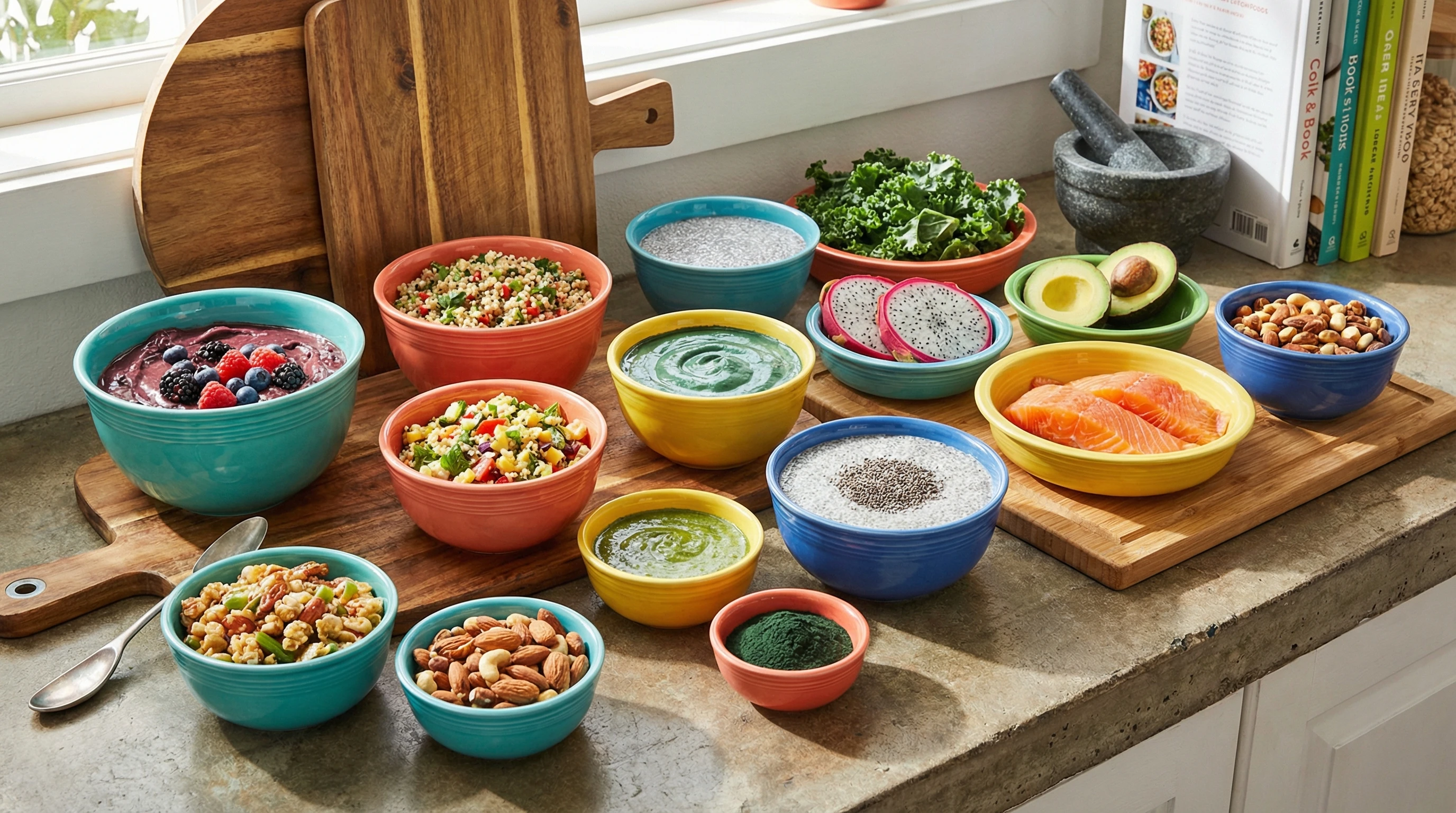
Why Add Superfoods to Your Weekly Meals?
Superfoods are foods that naturally pack a lot of nutrients into small servings. Things like berries, leafy greens, quinoa, lentils, nuts, seeds, and even some frozen veggies are some of my favorites. They’re not magic, but they do help me get more vitamins, fiber, and antioxidants into my diet without extra fuss. Most of them are easy to find at regular stores, and you don’t need fancy recipes to use them. Adding just one or two superfoods to meals I already make keeps things fresh and supports my energy throughout a busy week.
Getting Started with Superfoods: No Fuss, Big Benefits
I started including superfoods by making small swaps. Instead of overhauling every meal, I began with changes that felt natural. For example, I swapped out white rice for cooked quinoa in stir-fries and burrito bowls. I added a handful of fresh spinach or kale to smoothies and pasta. Greek yogurt became my go-to for breakfast and healthy desserts. These swaps take almost no extra time and barely any extra effort.
- Berries (fresh or frozen): Rich in vitamins. I use them in overnight oats, on top of yogurt, or blended in smoothies.
- Leafy greens: Spinach, arugula, or kale. I throw them into scrambled eggs, sandwiches, and soups.
- Quinoa or brown rice: They cook in under 20 minutes and serve as the base for grain bowls and salads.
- Chia seeds and flaxseeds: Just a tablespoon stirred into oatmeal or smoothie adds fiber and omega3s.
- Beans and lentils: These are budget-friendly, fill me up, and can be added to soups, salads, or wraps.
My Favorite 30 Minute Superfood Meals
Some meals feel almost effortless to whip up, even on the busiest weeknight. Here are a few that have become regulars in my house. All of these recipes can be prepped and cooked in about 30 minutes or less.
- Quick Quinoa Burrito Bowls: I cook quinoa, then top with black beans (canned works fine), salsa, corn, avocado, and chopped greens. Sometimes I add cooked chicken or tofu if I have it. Works great for meal prep and keeps well in the fridge.
- Salmon and Sweet Potato Sheet Pan Dinner: Salmon is packed with nutrients and super easy to bake. I toss salmon fillets and cubed sweet potatoes with olive oil and seasonings, lay them out on a baking sheet, and roast at 425°F for about 20 minutes. I add broccoli or Brussels sprouts on the side for extra color and fiber.
- Berry Spinach Smoothie: Blending spinach, frozen berries, banana, and Greek yogurt with a splash of milk gives me a superfood breakfast or snack in five minutes flat. Sometimes I sprinkle in some flaxseed or chia for extra nutrition.
- Lentil Vegetable Soup: Lentils are so affordable and cook faster than most dried beans. I simmer lentils with carrots, celery, canned tomatoes, and plenty of garlic and spices. If I have leftover greens, I stir those in at the end. The soup stores well and gets tastier after a day in the fridge.
- Asian Style Stir-Fry with Brown Rice: I sauté whatever veggies I have, toss in some cooked brown rice, and add edamame or tofu. A sauce made with soy, ginger, and garlic ties it all together. Topping with a sprinkle of sesame seeds adds crunch and an extra nutrition boost.
If you like sandwiches, try adding mashed avocado, baby spinach, or thinly sliced cucumber to your favorite bread for a quick superfood sandwich. For hearty breakfasts, oatmeal made with chopped apples and walnuts gives you fiber and healthy fats, keeping you full longer.
Budget-Friendly Swaps and Smart Shopping
Superfoods aren’t always expensive. When shopping, I look for what’s in season or opt for frozen when fresh is too pricey. Frozen spinach, broccoli, and mixed berries are staples in my freezer since they’re just as nutritious as fresh and don’t go bad as quickly. For grains and beans, I buy store brands or in bulk to save even more. I also check for weekly sales, especially on nuts and seeds, which can sometimes get expensive by the bag.
- Substitute pricey berries with frozen mixed berries or even chopped apples or oranges.
- Buy canned beans instead of precooked packets. Just rinse to reduce salt.
- For leafy greens, I buy big bags of spinach or kale and freeze half for smoothies or soups later on.
- Batch cook soups, stews, and grains on weekends and freeze leftovers in single servings to save time and decrease waste.
- Try switching up your nuts and seeds. If walnuts are expensive, swap in sunflower seeds or pumpkin seeds for a more budget-friendly crunch.
How to Store and Prep Superfoods To Reduce Waste
Longevity is key in my kitchen. Wasting food is frustrating and expensive, so keeping superfoods fresh matters a lot. Berries often go bad quickly, so I rinse only what I need for the day and store the rest unwashed until I use them. Greens last longer if I lay a paper towel in the bag to soak up moisture, then seal it tightly. Chia seeds, flaxseed, and nuts all do best in airtight containers; I store them in the fridge if possible to keep them from going rancid.
Whenever I have leftover cooked grains or beans, I portion them out and freeze individual servings. This way, I can grab what I need for quick lunches or dinners later in the week. I also keep a few smoothie packs in the freezer, with small bags filled with frozen fruit, spinach, and seeds—this lets me toss the contents straight into the blender in the morning. Labeling containers with dates helps me use up older items first, and it reduces waste even more.
Quick Answers to Common Superfood Questions
Eating healthy on a budget or when life is hectic can feel tricky. I often get asked questions like:
“How can I eat healthy when I hardly have time to cook?”
Stick to fast cooking ingredients. I pick grains like quinoa or brown rice, canned beans, frozen veggies, and easy protein add ins like Greek yogurt, eggs, or canned tuna. Bowls, wraps, and soups are my favorite ways to bring everything together quickly.
“Aren’t superfoods expensive?”
Some can be, but most basic ones, like beans, oats, spinach, and frozen berries, fit my budget. I watch for sales, buy in bulk, and swap out expensive choices for more affordable basics.
“What if my family is picky?”
Hidden superfoods are my secret weapon. I blend spinach into pasta sauces so you can’t spot it, toss beans into taco fillings, or add shredded carrots to muffin or pancake batters. When the flavor blends in, nobody notices the extra nutrition boost.
“How do I keep meals exciting week after week?”
I switch up the sauces and seasonings. Greek yogurt with lemon becomes tzatziki for grain bowls one night, or mixed with honey it becomes a dip for fruit the next morning. Even small tweaks keep things interesting without extra effort.
Everyday Benefits and a Warm Encouragement
Superfoods don’t have to be intimidating or out of reach. I’ve found that keeping it simple is what makes healthy eating stick in my daily life. Even tiny changes, like swapping regular rice for quinoa or adding berries to my morning oats, make a difference over time. My energy levels and mood have improved, and I spend less time worrying about what’s for dinner.
If you’re feeling stuck or uninspired, give one of these meals or swaps a try this week. You might find it’s easier, faster, and tastier than you expect. If you have ideas of your own, I’d love to hear your favorite superfood tricks in the comments. Here’s to delicious, quick, and healthy meals, even on a budget and a busy schedule!
Nice introduction into superfoods and makes it much less intimidating to incorporate into your daily meals. Gives good reasons to look for superfoods and how they can benefit. Great meal ideas and shows simple swaps can make a big difference in your diet and nutrition. Covers 2 of my concerns with buying superfoods: cost and expiration. I hate spending too much on food and especially having it expire before I use it (the avocado with a 10 minute window to eat it when it’s ripe and before it goes bad).
Thank you so much for this thoughtful comment. I am really glad the post made superfoods feel less overwhelming and more doable. That was exactly the goal because healthy eating should feel practical, not intimidating or expensive.
I completely understand your frustration about cost and food going bad. There is nothing worse than buying something with good intentions and then watching it expire before you can use it. And yes, the avocado struggle is very real. It feels like you get a tiny perfect window and if you blink, it is gone.
That is why simple swaps and flexible meal ideas can make such a difference. Using ingredients in multiple recipes during the week or choosing options that store well can help stretch your budget and reduce waste. It does not have to be fancy or complicated to be nutritious.
I really appreciate you sharing your concerns. It helps highlight what so many people are thinking but do not always say. If there are any specific superfoods you are curious about, I would love to help with ideas on how to use them without breaking the bank or risking the expiration race.