Adapting your meal plan for specific dietary needs can feel like solving a food-based puzzle, but with a little know-how, it’s totally doable. It can even be pretty satisfying. Whether you’re adjusting your routine due to allergies, health goals, or lifestyle changes, dialing in your meals is a game-changer for energy, health, and even mood. I’m going to walk you through how to build a meal plan that works for your body and your life, without turning dinner into a daily stress test.
Getting Real About Dietary Needs
Everyone seems to have a different spin on what “healthy eating” looks like, and honestly, there’s no one size fits all answer. Some folks are cutting gluten, others avoid nuts, and for some, it’s all about balancing macros or keeping sugar in check. The trick is figuring out what you need and building from there.
Dietary needs usually fall into a few main camps: allergies (think peanuts or dairy), health conditions (like diabetes or celiac), ethical choices (vegetarian, vegan), and lifestyle (athlete, busy parent, food lover who just really wants more plants). Knowing where you fit is a great place to start.
First Steps: Identifying Your Requirements
Before you start swapping ingredients, it’s super important to get clear on what your body needs, and what it doesn’t. Here’s my usual game plan:
- Check in with a pro: If you’re feeling lost, a dietitian or doctor can help spot what your body’s asking for. Blood work or health screening is worth considering if something feels off.
- List your non-negotiables: If you’re allergic, intolerant, or on a strict diet, write down your absolute musts and no go foods. Keep that list handy anytime you browse recipes or shop.
- Track what works: Take note of meals that leave you feeling energetic and meals that, well, don’t. Sometimes journaling for a week makes food patterns stand out.
Putting your needs in writing actually makes meal planning more straightforward. It lets you focus on building up meals you can eat, instead of worrying about ones you can’t.
Meal Planning Basics for Everyone
No matter your restrictions, certain planning basics tend to make life easier. I keep these in my back pocket when I’m tailoring any meal plan:
- Keep it varied: Different foods pack in different nutrients. The more you mix things up (within your limits), the better.
- Plan ahead: Flying by the seat of your pants can work sometimes, but plotting out your week’s meals gives you structure and saves time.
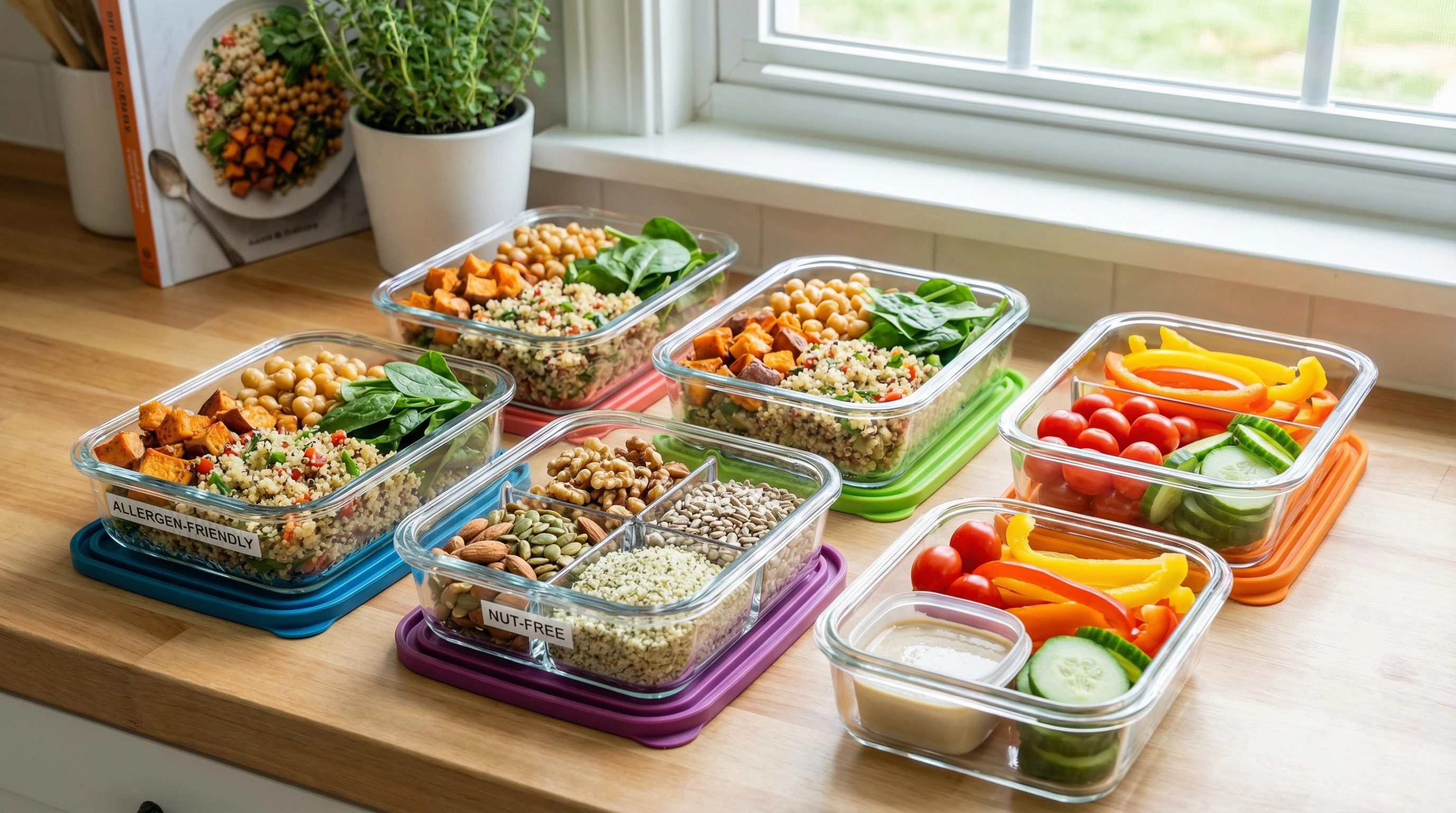
- Batch and prep: Cooking in batches and prepping snacks or staples means you always have something safe and tasty on hand, even on busy days.
Customizing for Allergies and Intolerances
Having an allergy or intolerance adds a layer of challenge, but it’s not impossible to work around. I always triple check labels because hidden sources sneak in everywhere, and I get pretty creative with swaps. Some go to strategies include:
- Safe swaps: Using oat milk for dairy free, sunflower butter for nut free, or gluten free pasta for wheat free dishes can keep recipes familiar but safe.
- Build from scratch: Pre-made foods often have unexpected allergens. Making your own basics like granola, sauces, and snacks puts you in control.
- Keep go to recipes: Find a handful of reliable, allergy friendly recipes you love and rotate through them.
When eating out or at a friend’s house, I always speak up about what I can’t have. People are pretty understanding once you explain, especially if you offer to bring a dish everyone can share.
Adapting for Health Conditions
Health-based adjustments, like for diabetes or heart concerns, take a bit of planning but pay off big time. I recommend:
- Understand your condition: If you have diabetes, focusing on low glycemic foods makes a difference. For high blood pressure, I keep salt in check by using herbs and spices for flavor.
- Balance is key: Think in terms of macronutrients—protein, carbs, and fats. All meals should have a bit of each, even if you’re cutting back on one type.
- Control portions: Sometimes it’s not about the food itself, but how much of it. Measuring, even loosely, can really help manage health goals.
Some medical conditions mean you need personalized help, so looping in a registered dietitian can help fine-tune your approach.
Tweaking for Lifestyle Goals
Meal plans aren’t just about what you can’t have. They’re about what helps you feel and perform your best, too. For athletes, it’s all about getting enough protein, complex carbs, and hydration. If you’re just trying to juggle work, kids, and life, simplicity takes priority. I build my plan around:
- Convenient meals: Quick recipes and leftovers are lifesavers. Think stir-fries, sheet pan meals, and grain bowls.
- On the go options: Easy to pack snacks like fruit, nuts (if safe), and seed bars keep things moving.
- Meal time sync: Eating at consistent times each day keeps energy steady. This is especially important for kids or folks with busy routines.
If fitness is a priority, tracking protein and carb timing around workouts can be a nice touch, but it doesn’t need to get obsessive. Simple tweaks, like a post workout smoothie, go a long way.
Vegetarian and Vegan Adjustments
Planning meatless or plant based meals just takes a bit more attention to protein and certain nutrients, like B12 and iron. I’ve found that:
- Mix your proteins: Beans, lentils, tofu, tempeh, and quinoa are all great.
- Nutritional yeast: Adds a cheesy hit and some B12 to boot.
- Don’t skip healthy fats: Avocados, olive oil, and seeds help keep meals satisfying.
It’s super helpful to rotate your plant proteins. Each kind brings different amino acids and keeps things interesting. Also, keep an eye out for fortified foods or supplements if you’re eating fully plantbased; that way, you don’t miss out on tricky nutrients like B12 or omega3s. Regularly switching things up with different veggies and grains also makes meals more interesting and wellrounded.
Dealing With Picky Eaters and Family Setups
If you’re cooking for a crowd or for folks with different needs, meal planning can get hectic. What works well for me is building meals with “base” and “addons,” like having rice and veggies as a base, and letting people add their own protein or sauce. Everyone wins, and you don’t have to play short order cook every night.
Some favorite base and add combos:
- Grain bowls with separate toppings
- Taco nights with multiple fillings (beans, chicken, diced veggies)
- Pasta with sauces on the side (one dairy free, one with cheese)
Leftovers are your friend here. Cooking extra and freezing portions saves you later in the week. Getting the family involved by letting them pick toppings or build their own plates can also make meals more fun and reduce complaints.
Tips for Sticking With Your Meal Plan
A well built plan saves stress, but sticking with it is a whole different game. Here are some things that help me actually follow through:
- Make it easy: Don’t overcommit to complicated recipes every night. Mix in some “lazy” options like frozen veggies, rotisserie chicken, or classic sandwiches.
- Stay flexible: Plans change. Swap meals around if something comes up, and don’t beat yourself up if you need takeout now and then.
- Stay stocked: Keep your pantry filled with your safe staples. Canned beans, rice, oats, pasta, and spices make last minute meals possible.
Batch prepping and freezing meals can save future you a lot of time on busy nights. Make a habit out of reviewing what you already have in the pantry or freezer before shopping. This will help cut food waste and give you inspiration. It’s also a good move to try new recipes regularly to keep things fresh and exciting.
Common Meal Planning Questions
Here are a few questions that come up a lot when people start tailoring their meal plans:
Question: How do I know if a recipe meets my needs?
Answer: Check the ingredient list, watch for sneaky sources of allergens or unwanted ingredients, and scan nutrition info if health conditions are in the picture. When in doubt, make your own version at home.
Question: What’s the best way to handle eating out?
Answer: I read menus ahead of time and call the restaurant if I’m worried. Most places can swap ingredients or make recommendations. Bringing snacks or a safe meal as backup is always smart for events where options are slim.
Question: Are there apps or tools that help?
Answer: Loads! Apps like Yummly, Mealime, and even basic food tracker apps let you sort recipes by restrictions. Food delivery sites also usually mark dishes as vegan, gluten free, and more. You can also join online forums or groups for recipe inspiration and support.
Wrapping Up: Tailoring Your Meal Plan
Figuring out how to tailor your meal plan for specific dietary needs is a lot like learning to drive. You might stall out at first, but you get more confident every time you go through it. Writing down clear needs, planning flexible meals, and keeping go to recipes on hand can take loads of stress out of shopping, cooking, and best of all, eating. A meal plan built for your needs means you get to focus on enjoying food that feels good for you, all week long. Try new approaches, review what works, and celebrate your wins at mealtime. You’ll be surprised at just how easy tailoring your food can get with practice.
Excellent breakdown! For me changing my entire lifestyle of eating had to change overnight. I weighed 275 pounds when they checked me into the hospital, I was close to dying from drowning in my own fluids.
To save myself I needed to lose weight, and work at reversing the type two diabetes.
I devoted much of my time to researching what I needed to minimize damage done to my body. My research led me to have much more respect for the high performance biochemically electric machine a human body is.
Designed with high precision mathematics unlike anything man-made. However like any machine, it runs on a perfect balance of the sources of energy it intakes.
In other words are bodies need the proper foods in the proper amounts at the proper times in order to function most efficiently
I was able to lose 125 pounds in the space of a year 1/2. And keep it off as well as reverse the diabetes.
Thanx,
Paulette
.
Wow, Paulette, that is incredibly inspiring. Losing 125 pounds and reversing type 2 diabetes is no small feat… that’s dedication, patience, and a whole lot of respect for the “high-performance, biochemically electric machine” we’re all walking around in.
I love how you framed it too! Turns out our bodies aren’t running on coffee and good intentions alone (if only ????). Finding that balance of the right foods, amounts, and timing clearly paid off in a huge way.
Thank you so much for sharing your journey. Stories like yours remind us that learning how our bodies actually work can be life-changing, and that real, lasting change is possible. Absolute kudos to you.