
If you’re looking to get the most out of your groceries and save some cash along the way, meal prepping is the way to go. Prepping meals in advance frees up time during a busy week and means you’re not burning money on last-minute takeout. I’m sharing everything I’ve learned about shopping smart for meal prep and stretching your budget without losing out on taste or nutrition.
Why Meal Prepping Makes Such a Difference
Meal prepping is pretty handy for a bunch of reasons. You save time, cut back on stress during the week, and actually end up spending less. With a bit of planning, you’re less likely to buy random stuff you don’t need or let food go to waste at the back of your fridge. That adds up to real savings over a month or two.
According to the USDA, Americans toss out about 30 to 40% of the food they buy, usually because it goes bad before it gets used. Meal prepping helps you work through your groceries so you’re not throwing away that hard-earned money. Plus, home-prepped meals tend to be more balanced than what you’d get from fast food or impulse snack runs. For people working with tight schedules or budgets, prepping is a habit worth building.
Some other reasons include less stress in the kitchen, better portion control, and fewer last-minute scrambles to figure out dinner. When you have meals ready to go, you can spend your evenings relaxing instead of cooking every single night. Over time, the savings add up, and it becomes a part of your lifestyle.
Getting Started: Meal Prep Shopping Basics
Starting meal prep doesn’t mean you have to cook a whole week’s worth of food at once. The main idea is to plan ahead so you know exactly what to buy, and stick with it. Here are the basics I stick by:
- Make a Meal Plan: I pick a set of recipes for the week, usually ones with similar ingredients, so I’m not buying 50 different things. If a bunch of dishes use chicken, rice, and some veggies, I know I’ll use up what I buy and nothing goes to waste.
- Create a Detailed Shopping List: Once I know what meals I want, I write down all the ingredients and group them by section (produce, dairy, pantry, etc.) so my trip to the store is fast and organized.
- Check What You Already Have: Before heading out, I do a quick fridge and pantry sweep to cross off anything I already own. No sense in buying more olive oil when there’s a full bottle in the cabinet!
Once you have a handle on this process, it starts to feel second nature. Keeping meals simple is key, too. Think about your busiest nights and aim for recipes with overlapping ingredients to streamline shopping and cooking. Even basic meals like salads, grain bowls, or simple pasta can become your go-to options.
Shop With a Strategy: Ways to Stretch Your Grocery Budget
Smart shopping can save you a lot, even if you’re cooking for one. Here’s how I make my money go further each week when I shop for meal prep:
- Stick to the List: I know those snack aisles are tempting, but sticking to what’s on my list means no budget-busting impulse buys.
- Shop Seasonal Produce: In-season fruits and veggies are almost always cheaper and taste way better. If something is out of season, I’ll check out frozen options, which are picked at their peak and often cost less (plus, no spoilage).
- Buy Store Brands: I’ve tested out a lot of store brand goods, and most are just as good as big-name options but come in at a lower price.
- Bulk Up Carefully: Buying in bulk can be a money saver, but only if you’re actually going to use everything. I usually buy pantry staples like rice, beans, oats, and spices in bigger packs because they last a long time and are used in a ton of different recipes.
- Check Unit Prices: Looking at price per ounce or price per pound is a super useful way to spot the best deals, especially if packages are different sizes or on sale.
- Lean on Versatile Proteins: Eggs, canned tuna, beans, and chicken are affordable and show up in a lot of different meals. I mix and match them to keep things interesting and cheap.
- Use Loyalty Programs and Coupons: Those little digital coupons and supermarket loyalty cards seriously add up, especially on pantry basics, produce, or meats.
It’s also worth exploring discount grocery stores or shopping at farmer’s markets, which can have great deals, especially near closing time. Comparing prices from multiple stores and keeping an eye out for special deals can help maximize your savings.
Easy Swaps and Shortcuts to Keep Costs Down
Sometimes the easiest switch can make a noticeable difference in your meal prep budget. I’ve found a few swaps that really help:
- Try More Plant Based Meals: Beans, lentils, and tofu feed a crowd for less money than meat, and they’re easy to cook in batches for the week.
- Repurpose Ingredients: If I buy spinach for salads, I use the extra in omelets or pasta later in the week. Leftover roasted veggies go in wraps or grain bowls.
- Embrace Frozen & Canned Staples: Frozen veggies don’t spoil quickly, and canned beans let me throw together last-minute salads or soups. They’re cheap and make meal prep a lot more flexible.
You can also experiment with different grain bases, like barley or bulgur, which tend to be inexpensive and can change up the flavor and texture of your meals. Making homemade sauces or dressings with pantry items also adds variety without much cost.
Watch Out for Common Meal Prep Pitfalls
Even with the best planning, it’s easy to fall into some traps that end up costing you. Here’s what I look out for to keep my meal prepping and shopping on track:
- Overbuying Fresh Stuff: It’s really easy to get excited and throw too much produce in the cart. I try to only buy what I know I’ll eat in a week (or buy half fresh, half frozen).
- Letting Food Waste Pile Up: If something’s not getting used up, I either freeze it, make soup, or toss it into a stir fry to avoid waste and extra spending.
- Batch Cooking Foods I Don’t Actually Want: I once made three days worth of a meal that I got sick of halfway through. I mix things up with a few different recipes to avoid flavor burnout and wasted food.
- Not Checking Weekly Store Deals: Weekly flyers often feature serious discounts on meats or seasonal produce I can use in my next meal plan. A look at these before planning helps me save pretty easily.
Food Storage Matters
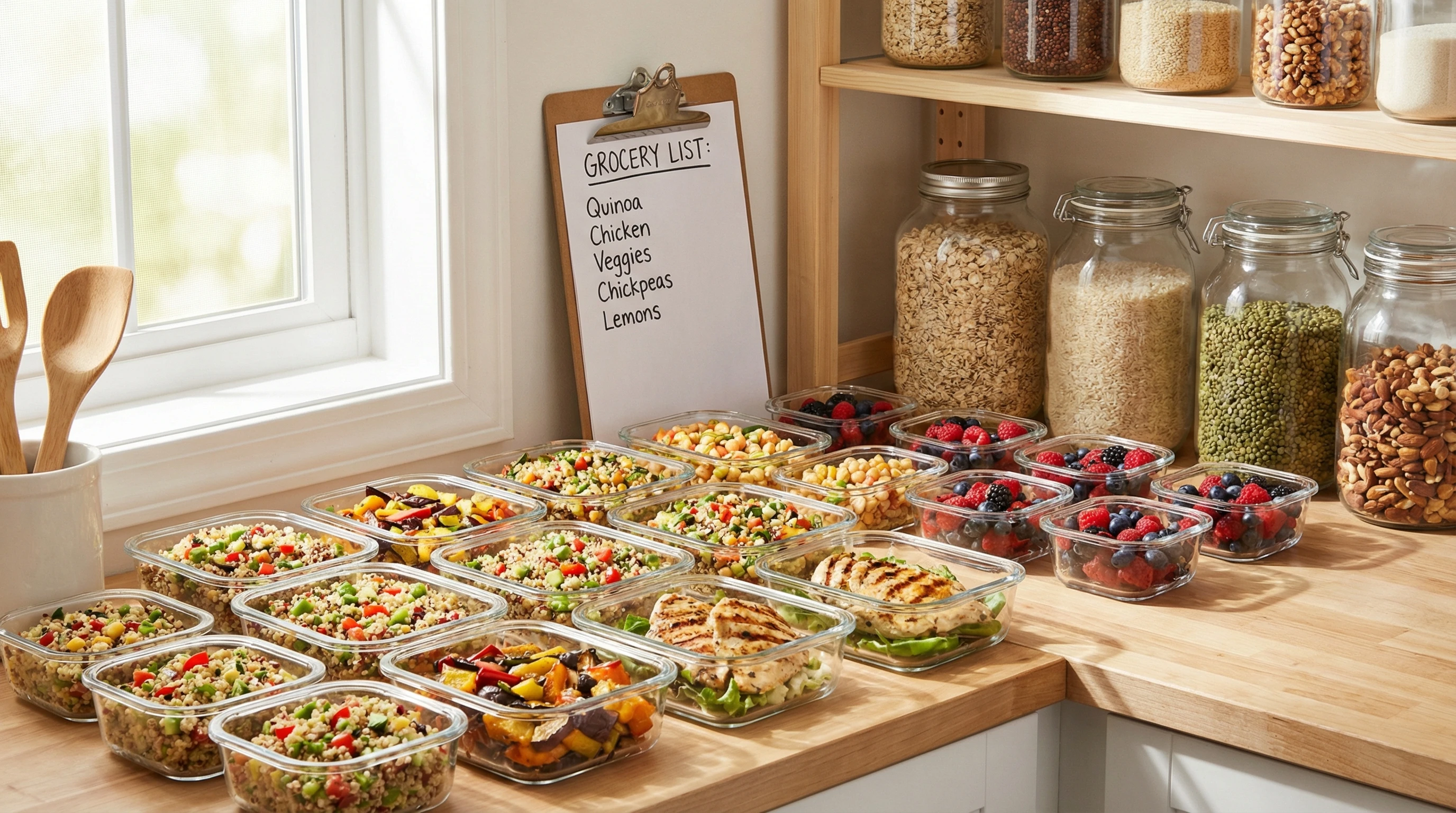
Good storage is huge for avoiding waste. I portion my meals into individual containers so I can grab and go. I use clear containers, so I actually see what’s left in the fridge, and nothing disappears into the back until it’s gone bad. Freezersafe bags and mason jars are great for soups and sauces too.
Labeling containers with the date helps you eat meals at their freshest and prevents you from tossing food just because you’re not sure how old it is. Arranging food so that older meals are front and center in your fridge is a good habit to keep waste to a minimum.
Meal Prep Example: Shopping List and Recipe Ideas
To give you an idea of what a basic meal prep shop and cook looks like, here’s what my week might include:
- Proteins: Chicken breasts, eggs, canned beans, Greek yogurt
- Veggies: Broccoli, spinach, carrots, bell peppers, frozen mixed veggies
- Carbs: Brown rice, sweet potatoes, wholegrain wraps, oats
- Extras: Salsa, olive oil, shredded cheese, basic spices
I’ll pick three main dishes that use these ingredients in different ways. For example, a chicken veggie stirfry, a sweet potato and black bean bowl, and breakfast burritos with eggs and spinach. This keeps meals interesting without needing a giant list of different groceries.
By changing the spices and sauces each week, you can keep these core meals feeling fresh. Sticking with a basic list also means you get faster at shopping and prep, especially once you have a few favorite recipes to fall back on.
Packing and Portioning Tips to Stay Organized
Packing meals in advance saves me on busy days when I can just reach in and grab something healthy. Here’s how I make it work:
- Use the Right Containers: I go for sectioned containers for lunches, mason jars for salads, and reusable freezer bags for soups or chili.
- Portion for Balance: Each meal gets a mix of protein, carbs, and veggies so I’m not stuck hungry or loading up on just one food group.
- Label and Date Meals: Pop a piece of tape on the lid with the prep date. That way, nothing gets lost or left too long.
For families or couples, prepping together can also speed up the process. Assign simple prep chores like chopping or packing, and meal time becomes a team effort that saves everyone time during the week.
Frequently Asked Questions
Here are some common questions people have about meal prep shopping:
Question: How can I make sure my meal prep food stays fresh all week?
Answer: I store cooked meals in airtight containers in the fridge for up to four days and freeze anything I won’t eat in that time. Using airtight containers and not stacking containers too tightly in the fridge help food stay fresh longer.
Question: Is it actually cheaper to prep meals instead of buying lunches or dinners out?
Answer: Almost always. Cooking at home means you control what goes in your food, stretch ingredients across multiple meals, and avoid the markup from ordering out. My grocery bill is much lower than buying meals one by one.
Question: Do I need fancy equipment to start meal prepping?
Answer: Not really. You just need a couple of containers, some basic kitchen tools, and a good list. A slow cooker or rice cooker also comes in handy, but even just using your stove and oven is fine for most meals.
Making Meal Prep Work for Your Lifestyle
Meal prepping is flexible. Some people cook full recipes and portion them out, while others prep ingredients to mix and match. I’ve found it’s easier to stick with this habit when I plan meals I actually enjoy eating and switch things up with new spices or sauces. Grocery shopping with a clear plan saves me time and money every week, and seeing that fridge lined up with ready to go meals is pretty satisfying. Meal prepping isn’t just about saving money; it’s about making healthy eating way more doable every day.
Wrapping up, meal prepping is a habit that takes some practice but pays off in many ways. You reduce stress, save cash, eat healthier, and make the most of your groceries. The more you do it, the easier it gets, and soon you’ll have your own set of meal prep favorites and a well-oiled grocery shopping routine that fits your lifestyle.