
If you’re like me, there have definitely been evenings when the idea of putting together something healthy and tasty for dinner just feels too much. Busy jobs, family commitments, and unexpected errands can really push meal planning to the back burner. On top of that, watching grocery prices inch up doesn’t exactly help with dinner inspiration. Thankfully, I’ve found some pretty handy tricks to whip up balanced, budget-friendly dinners in under 30 minutes, and cleaning up is a breeze too.
What Makes a Balanced Quick Dinner?
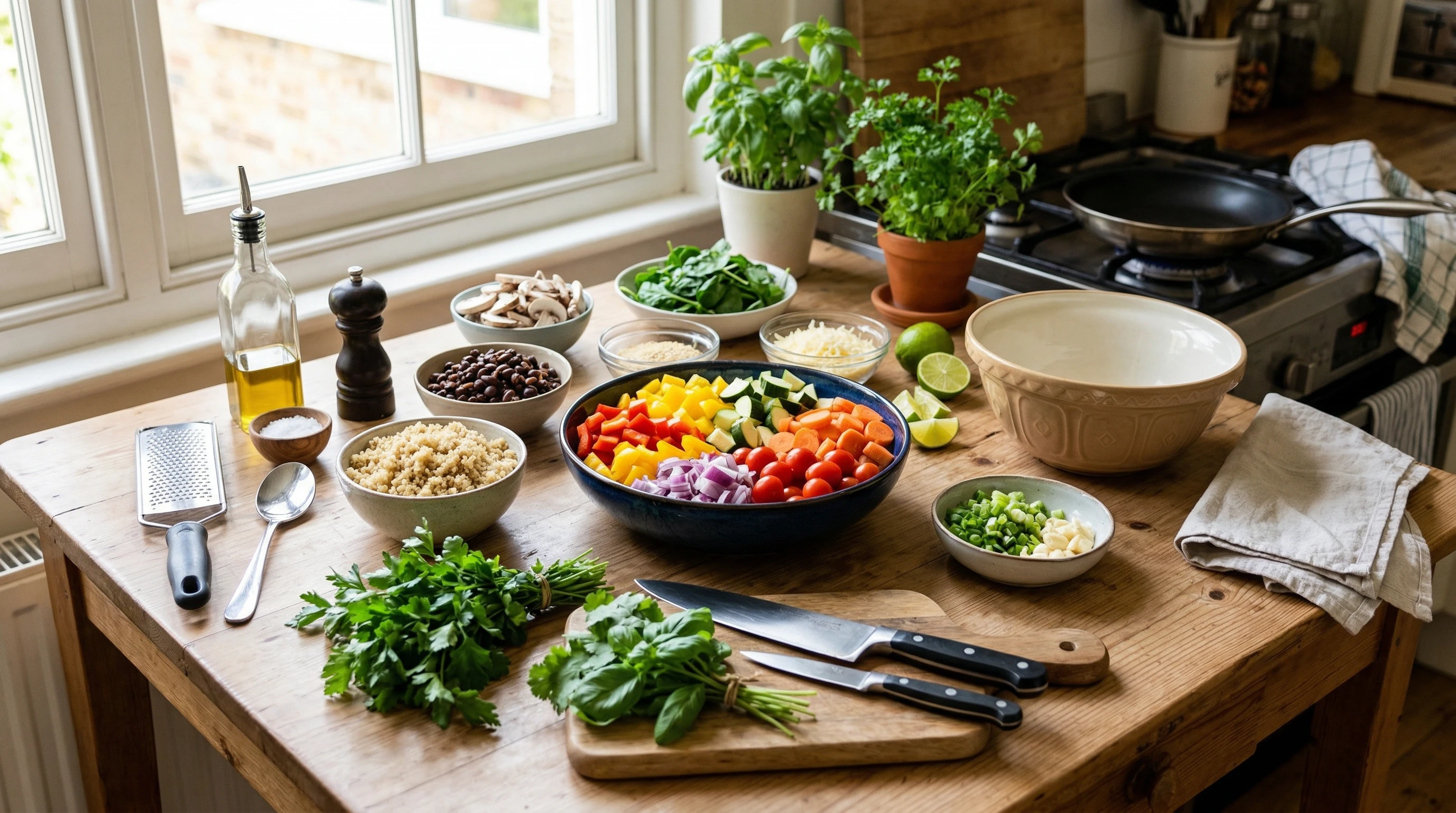
Before I get into hacks and recipes, it’s worth tackling this question: what exactly counts as a balanced dinner? I always aim for a meal that has a mix of veggies, protein like beans, chicken, or tofu, and a carb source such as rice, pasta, or more veggie-based sides. Mixing these three doesn’t have to mean hours in the kitchen.
Getting all the nutrients you need at dinner helps keep energy steady and makes late night snack cravings easier to dodge. Also, you’re more likely to feel satisfied and not tempted to reach for less healthy options. Making meals with the right mix helps everyone stay fueled, and it’s not as tricky as it sounds when you pick up a few simple prep tricks.
Fast & Flavorful Balanced Dinner Ideas
My favorite quick dinners follow a super simple formula: build on basics, change up the seasonings, and keep things flexible for whatever’s in my fridge or pantry. Here are a few winning combos you can prep with everyday staples:
- Stir-fry Everything: Toss leftover veggies like carrots, broccoli, or bell peppers with protein, shrimp, chicken, or tofu into a hot pan. Add soy sauce, garlic, and a splash of sesame oil, then scoop over cooked rice or noodles.
- Sheet Pan Magic: Chop whatever veggies are around, add sliced sausage, chicken, or chickpeas, and drizzle with olive oil, salt, and your favorite herbs. Roast at 425°F for about 20 minutes; you can even broil for the last 2 minutes for extra crispiness.
- Quesadilla Night: Fill whole wheat tortillas with canned beans, shredded cheese, and chopped veggies. Cook on each side until crispy and serve with salsa and Greek yogurt. You can toss in bits of leftover cooked chicken or lentils for more protein.
- 15Minute Salad Bowls: Pile leafy greens with canned tuna, boiled eggs, or rotisserie chicken. Throw in a few grains, maybe some cooked quinoa or brown rice, and any chopped vegetables you’ve got. Top with olive oil and vinegar, or whip up a simple dressing with yogurt and lemon juice.
- Pasta Primavera: Cook pasta, whole wheat if you like the extra fiber, and toss with fast cooking veggies like zucchini and cherry tomatoes and any leftover meat or legumes. Stir in some pesto or tomato sauce for extra flavor.
Simple seasonings, lemon zest, chili flakes, or a sprinkle of cheese can quickly switch up the tastes, so you never get bored with these basics. Most of these meals are super easy to customize, so don’t be afraid to mix in your favorite leftovers or whatever spices you love.
Smart Ingredient Swaps That Save Time and Cash
I’ve been burned, literally and financially, buying fancy ingredients that only get used once. Instead, here are some cheap and cheerful swaps I reach for regularly:
- Canned or Frozen Veggies: These are just as nutritious as fresh and last way longer. Toss them into soups, pastas, or stir-fries any night.
- Dried Beans or Lentils: Soaked and cooked in advance, they’re perfect for salads or stews, and canned beans also work amazingly when you’re short on time.
- Rotisserie Chicken: Paid a bit extra for cooked chicken? It actually saves prep, and you can stretch one bird across three meals if you’re creative. Use it for wraps, salads, stir-fries, or quick soups.
- Pasta and Grains: Stock up well and cook quickly. Couscous, par-cooked brown rice, or wholegrain pasta all work great as meal bases and hold up well in the pantry, so you always have something to start dinner with.
- Fresh Herbs: When I’ve got extra cilantro or parsley, I chop and freeze them in ice cube trays with a little water or oil. Later, I can toss a cube into anything hot for an instant flavor boost to soups, curries, or sauces.
Getting comfortable with ingredient swaps means you won’t get stuck when you’re missing one thing from a recipe, and you’ll save cash by using what’s already in your kitchen.
Quick Meal Prep Tips for Busy Weeknights
Weeknight meal prep doesn’t have to be a big todo. Even if you’re running on fumes after work, these prep tips are game changers:
- Batch Cook Proteins: Grill or roast twice the chicken, tofu, or beans you need, so tomorrow’s dinner is halfway done. You can shred it and use it for sandwiches, add to salads, or warm up with another sauce for something different.
- Pre Chop Veggies: As soon as you unpack groceries, slice carrots, peppers, or cucumbers and keep them in containers. They’re ready for salads, stir-fries, or even quick snacking.
- Store Staples Smartly: Keep cooked grains, hardboiled eggs, and prewashed lettuce in the fridge for instant assembly meals. A container of leftover roasted veggies can star in wraps, omelets, buddha bowls, or even breakfast scrambles.
I also find that having a few go-to dressings or sauces made ahead of time lets me pull together a meal in minutes by just drizzling over protein and veggies for dinner.
How to Cut Down on Food Waste (And Save Money)
One thing that drives me up the wall is wasting food, and money. So, I’ve adopted a “leftover transformation” mindset:
- Plan for Flexible Meals: Recipes based on “blank slate” basics, like rice or tortillas, are perfect for soaking up yesterday’s bits and bobs. Think fried rice, frittatas, or burritos packed with odds and ends from the fridge.
- Freeze Leftovers: Portion out soup, beans, or cooked meat in small containers for super quick future meals. Label everything, so you don’t forget what’s stashed away; frozen single portions also make great lunches.
- Revamp Aging Veggies: Limp carrots, wilted kale, or the last tomatoes become awesome soup starters, stir-fry add-ins, or sheet pan roast material. A quick chop and roast solves almost anything, and you can blend roasted veggies into sauces for pasta or spreads for sandwiches.
When you get creative using up leftovers or the last bits of produce, you save money and keep your grocery bill in check each week.
Budget-Friendly Shopping Tips for Healthy Quick Dinners
I stick to a running shopping list to dodge last minute impulse buys. Here are a few more tricks that work for me:
- Shop store brands and bulk bins for grains and legumes, you’ll save a bundle and always have the basics on hand.
- Check the discount produce section for veggies that need to be cooked soon. They’re great for roasting, soups, or curries, and these sections sometimes have unexpected finds like mushrooms or fresh herbs at deep discounts.
- Use discount apps or store loyalty programs for extra savings, especially on pantry staples. Clipping digital coupons or watching the weekly deals really adds up over time.
When shopping on a budget, focusing on simple, staple ingredients lets you prepare a wide range of dinners without overspending. Planning meals around what’s on sale each week also keeps things interesting and affordable.
Answers to Common Quick Dinner Questions
How can I eat healthy if my grocery budget is tight?
If you focus on whole foods, like beans, eggs, frozen veggies, and store-brand grains, that’s usually cheaper than takeout or prepackaged meals. Buying staples such as rice and oats in larger bags cuts the cost per meal, and meals based on these basic foods tend to be nutritious and filling for less money.
What are some dinner ideas that really take under 30 minutes?
Stir-fries, omelets, grain bowls, and quesadillas all come together fast. Sheet pan meals and pasta dishes with fast cooking veggies also fit the 30minute bill. Even simple wraps with beans and veggies can be finished in less than half an hour.
How do I store ingredients to use them throughout the week?
Pack cooked items in airtight containers and keep any chopped produce in the crisper drawer. Glass jars work well for salads or soups on the go. Labeling your leftovers with dates helps you use them up in time. Keeping dry ingredients like oats, pasta, and rice in sealed jars or containers prevents waste and keeps them fresh between uses.
Extra Tips to Keep Dinner Stress-Free
When in doubt, I lean on:
- Batch Cooking: Make bigger portions and freeze extras for busy nights, so you’re never without a backup dinner plan.
- One-Pot or Pan Dinners: Fewer dishes to clean means I’m much more likely to actually cook; plus, everything cooks together for maximum flavor.
- Keep Staples Stocked: A few basics like pasta, rice, eggs, canned beans, and frozen peas get me through pretty much any dinner crisis. Having these on hand means you’re never far from a quick meal.
If you find yourself feeling overwhelmed, even a simple dinner can be a win. Keeping dinner low pressure and practical truly helps make cooking sustainable in the long run.
Your Turn! Try a Quick Balanced Dinner This Week
Figuring out fast, balanced dinners is something I’ve learned over time, and it can be kind of fun once you get the hang of it. Even if you pick just one of these tips or recipes to try this week, that’s a win. If you come up with your own tricks or you’ve got a favorite quick meal, feel free to share it in the comments. Who knows, I might be adding your shortcut to my next busy night dinner plan!