
Building a balanced dinner meal can sound like one of those healthy eating puzzles where the prize is feeling awesome and the booby prize is eating bland chicken for the third night in a row. I’m not about boring dinners or food guilt, though. I’m here to break down my laid back process for the kind of dinnertime that covers your bases, leaves you satisfied, and doesn’t have you weeping into a tiny salad.
Why a Balanced Dinner Actually Matters (And Doesn’t Have to Be Annoying)
Balanced meals are all about making sure your body gets a little bit of everything it needs to keep your energy steady, your mood decent, and your cravings at bay (sorry, 9pm chip monster). While the nutrition world can get dramatic with rules and forbidden foods, the reality is a balanced dinner just means mixing up your food groups so you’re not dragging before bed or raiding the cookie jar at midnight.
When I started planning my own dinners—even just loosely—I noticed it helped with late night snacking, and I generally felt more energized the next morning. This isn’t about perfection. It’s about planning smarter, not stricter. If you’re curious about the science, Harvard’s School of Public Health has a pretty handy resource on building healthy plates (source).
First Steps: Knowing What a Balanced Dinner Looks Like
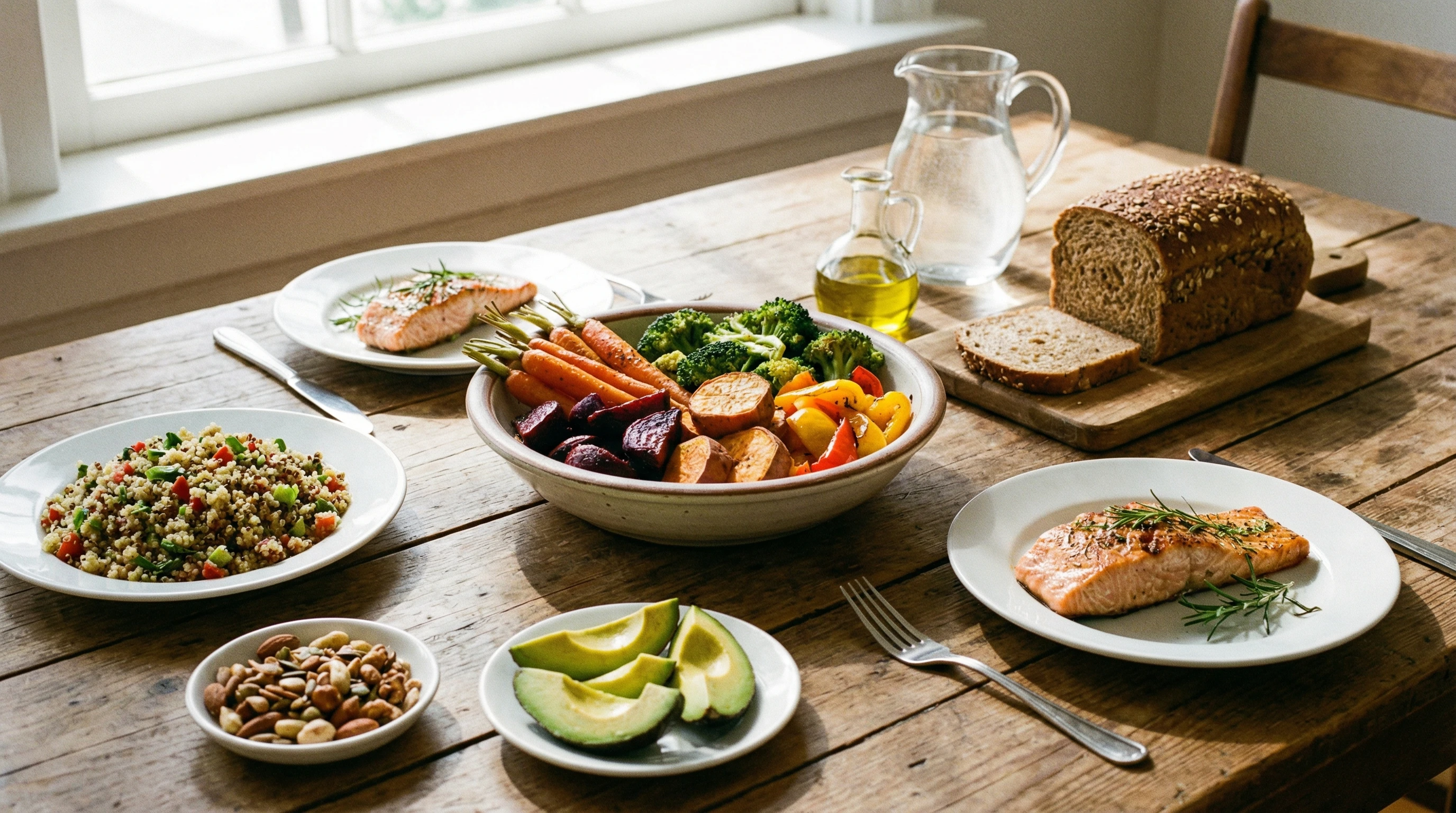
Here’s what I go for when building a balanced plate at dinner:
- Protein: Chicken, tofu, beans, lentils, eggs, steak if I’m feeling fancy. Basically, something that isn’t just bread.
- Colorful Veggies: Roasted broccoli, salad, sautéed peppers, even just a handful of baby carrots if I’m in a rush.
- Smart Carbs: Rice, quinoa, potatoes, or even whole wheat pasta. These give me staying power.
- Healthy Fats: Olive oil, avocado, some seeds, or a bit of cheese goes a long way in making dinner feel satisfying.
I picture dinner as a plate split up between these four categories, aiming for a little color and some variety. If I can check each box, I know I’ll finish up feeling full and happy, not heavy or hungry again in an hour. The good thing is, you can still keep things familiar but mix in some variety just by using different veggies, grains, or proteins each night.
Quick Blueprint for Planning a Solid Dinner
I don’t like strict meal prepping, so I use this loose formula when planning dinners:
- Pick a Protein: Decide if you’re in the mood for chicken, beans, tofu, or something else. Leftovers totally count, too.
- Add Veggies: Go for at least two colors if you can. Bonus points for leafy greens and anything roasted (I’m obsessed with crispy Brussels sprouts).
- Choose Your Carb: Grab what’s on hand. Rice, sweet potatoes, pasta, or even some hearty bread all work.
- Splash in Some Fat: This isn’t just about salad dressing. Try a sprinkle of seeds, a slice of avocado, or melted cheese if that’s how you roll.
- Season and Garnish: Salt, pepper, squeeze of lemon, or a handful of herbs. This part makes all the difference in flavor. Don’t skip it!
This isn’t one of those rigid dinner templates. It’s about checking a few quick boxes so you stay full and happy. Swapping between plant based, omnivore, and “I have nothing but eggs and toast” nights is part of the fun. Sometimes dinner is a full spread, other times it’s just a colorful scramble with random leftovers, and both are totally fine.
Shopping Tips for Easy Dinner Building
A balanced dinner starts at the grocery store (or your nearest shelf if you’re raiding the pantry). Here’s what I usually have on my list each week:
- Proteins: Chicken breasts, tofu, a can of chickpeas, eggs, or some ground turkey. Frozen shrimp is clutch for quick meals.
- Veggies: A mix of fresh and frozen. Broccoli, spinach, carrots, bell peppers, and whatever leafy greens look good. Frozen veg saves me when the fresh stuff runs out.
- Carbs: Brown rice, quinoa, whole grain pasta, potatoes. I also keep tortillas on hand, they’re basically edible plates.
- Fats: Olive oil, avocados (and pray they ripen before going bad), nuts, or whatever cheese looks tempting that week.
I plan flexible meals instead of locking myself into a meal plan that never survives reality. If I buy a mix of these, I know I can cobble something together, even on my laziest nights. Bonus points if I remember to grab a fun sauce or seasoning blend to help mix things up by the end of the week.
Common Roadblocks (And How I Get Around Them)
Even the best intentions can fall face first into a bag of chips some nights. I’ve run into these common hurdles plenty of times, but a few tricks keep me from giving up on balanced dinners altogether:
- Zero Time to Cook: Lean on quick cooking proteins (shrimp, eggs, canned beans). Prechopped veggies are worth the price when you’re wiped out. Rotisserie chicken also saves the day sometimes.
- Picky Eaters in the House: I do a “build your plate” night with a bunch of simple components. Everyone assembles their own, no fights, no drama. The flexibility also keeps my dinners from feeling repetitive.
- Craving Takeout: I stock a killer frozen pizza but pile on extra veggies or salad to round things out. No shame in shortcuts, as long as I’m aware of what I’m lacking and pump it up where I can.
- Running Low on Ingredients: Leftover rice, that lone carrot, and an egg make a surprisingly satisfying fried rice moment. “Clean out the fridge” nights are some of my most creative and satisfying meals. Sometimes, just adding a few spices or an unexpected sauce brings new life to odds and ends you might otherwise toss.
Not Enough Veggies? Here’s What I Do
Honestly, I struggle with this one, too. Frozen veggies thrown directly in stir fries or microwaved with a dash of salt have rescued me many times. I also love adding greens right into sauces or soups. Out of excuses when it’s this simple. Even tossing a handful of spinach into eggs or pasta ups my veggie game without any extra work.
Stuck In a Dinner Rut?
I keep a running list of “dinners that don’t suck” on my phone. When inspiration runs dry, I scroll through it or check out recipe sites like Budget Bytes for new ideas without fancy ingredients. Sometimes I even ask friends or family what they’re making for dinner; it’s a great way to pick up fresh ideas or forgotten favorites.
Cool Dinner Ideas When You Don’t Know What To Make
- Sheet Pan Dinners: Chuck chicken, potatoes, and a bunch of veggies on a tray, toss with oil and seasoning, and roast. Minimal effort, one pan to clean. Bless. You can experiment with different marinades or add a simple yogurt sauce on the side for dipping.
- Bowl Meals: Rice or grains as a base, topped with whatever protein and veg is around. Great way to use leftovers and looks fancier than it is. Try adding pickled veggies, sriracha, or herbs for a fresh flavor kick.
- Tacos or Wraps: Everyone likes taco night, and it’s basically an open invitation to sneak in whatever produce is hiding in your fridge. Use beans, leftover meat, fish, or all veggies if you want. Top with salsa, slaw, or a tangy yogurt sauce to bring it all together.
- Big Salads: I’m talking more than rabbit food, roasted vegetables, a protein, beans, nuts, cheese, and a real dressing. Add toast if you want the meal to stick with you. Mixing warm and cold elements keeps salads from feeling like a chore.
If you want to keep dinner feeling fresh, try swapping out the kind of grain, adding a different sauce, or using a new seasoning blend. Variety can come from tiny tweaks, not just totally new recipes.
FAQs: Real Answers For Dinner Dilemmas
How do I know if my dinner is balanced?
If you can spot a protein, at least one or two vegetables, a carb source, and something with healthy fat, you’re set. It doesn’t need to be complicated or Pinterest worthy. If you’re still hungry after, check if you skimped on one of them and add more next time.
What’s the best way to start planning balanced dinners?
I like to think in terms of parts instead of recipes. Have a protein, a veggie, and a carb on hand for the week. Mix and match based on mood and what’s left in the fridge. It’s super flexible and lets you roll with whatever you’re feeling each night.
Can takeout be part of a balanced dinner?
Definitely. Pad Thai gets a homemade veggie stir fry on the side, pizza gets greens, burgers get oven fries and coleslaw instead of just chips. I add what’s missing, not what’s already overflowing. Making a couple healthy tweaks to takeout keeps things balanced without feeling deprived.
Final Thoughts: Why Balanced Dinners Really Work
Balanced dinner planning is way less complicated than diet culture makes it seem. I focus on having something from each group, being kind about my shortcuts, and just aiming for “pretty good” most of the week. I feel better, eat happier, and don’t get stuck eating sad desk salads for dinner (unless I actually want a salad, which happens less than you’d think).
A balanced plate isn’t about restriction or guilt. It’s about eating for energy, fullness, and taste, without making it another thing to stress over. Big bonus: you get to feel like a dinner planning rock star, all without culinary school or fancy apps. Keep it simple, colorful, and enjoy the win of feeling good after you eat. Next time dinner feels like a chore, just remember: all you need is some variety, a sprinkle of something new, and a little creativity in your meal routine. You’ll be building better dinners in no time.
I enjoyed reading and learning how to plan a balanced dinner meal. When I was younger my diet was not a balanced or a very healthy meal, since I am getting older I know I must change this to stay well.
Starting with our first step is extremely helpful someone like me who has never prepared balance dinner meals, being active in my younger days I just grabbed something quick most of the time.
I have been reading up on a healthy diet dinner meal, protein seems to be an important part especially if we want to manage our weight.
Your sections on shopping tips and roadblocks I found especially helpful for me, being a single older guy both of these are important for me to remember.
I saved your article and plan to share it some of my family and friends,
Jeff
Hi Jeff,
Thank you so much for sharing this. I really appreciate your honesty. A lot of us spent our younger years grabbing whatever was quick and easy (especially when we felt invincible, right?), so you’re definitely not alone there. The fact that you’re thinking intentionally about balanced dinners now says a lot about your commitment to staying healthy as you get older.
I’m especially glad the “first step” approach felt helpful. Starting small can make a big difference, particularly when balanced meals weren’t something you grew up preparing. It’s never about being perfect, just about building a plate that includes a solid protein, some fiber-rich carbs, and vegetables most nights. Even simple combinations can go a long way.
You’re absolutely right about protein, too. It plays a huge role in maintaining muscle as we age and can really help with feeling full and managing weight. For someone cooking for one, I often suggest making a couple of servings at once and using leftovers creatively the next day, it saves time and reduces waste.
I’m really happy the shopping tips and roadblocks section stood out to you. Cooking as a single older guy can come with its own challenges, but it can also be a great way to take control of your health in a practical, manageable way.
It truly means a lot that you saved the article and plan to share it with family and friends. Thank you for that support, and please feel free to reach out if you ever want ideas for simple, balanced dinner combos that work well for one person. You’ve got this.