
How To Meal Prep On A Budget: Quick And Easy Recipes
Finding the time, money, and energy to eat well can feel tricky these days. I know what it’s like to get home after a busy day and see nothing but random odds and ends in the fridge, or worse, nothing at all. Grocery prices seem higher each week, and making healthy meals can start to feel overwhelming or expensive. Meal prepping changed that for me, making dinner way less stressful and even helping me save some cash along the way.
When I started prepping my meals ahead, I spent less time worrying about what was for dinner. Even better, I felt better about my budget because I wasted less and stretched groceries further. I’m excited to share some of my go-to tips and quick recipes to help you start prepping delicious meals. No chef skills required, and no need to spend a fortune.
Why Meal Prepping Works For Tight Budgets
- Saves money on groceries. Planning meals in advance helped me cut down on impulse buys and reduce food waste.
- Cuts down on takeout and restaurant splurges. Having ready-to-eat meals made weeknights easier and way cheaper than eating out.
- Reduces stress. Knowing what’s for dinner helped me avoid last-minute scrambles.
- Supports healthier eating. I felt a lot more in control of my ingredients and portion sizes.
It turns out that a little planning doesn’t just help your wallet—it can give you a sense of calm when you head home after work and know there’s already something good to eat.
How To Get Started With Meal Prepping
Jumping into meal prep can seem a little intimidating, but breaking it down into a few easy steps made it feel more doable for me. Here’s the system I stick with:
- Pick two or three simple recipes. I like to choose dishes that share ingredients, like rice or beans, to save money.
- Make a grocery list from those recipes. Checking your pantry first helps avoid buying duplicates.
- Choose a prep day. I usually spend about an hour on Sunday or even split tasks over two evenings.
- Double up. Cooking in larger batches works for busy nights and lunches too.
Being realistic about how much food my household eats helped keep me from overprepping and wasting meals. Also, keeping a small notepad in the kitchen helps me jot down ideas for future meal prep sessions and note what ingredients are running low. If you’re just getting started, try prepping just a dish or two—no need to go overboard. Once you get into the groove, adding an extra dish or portion feels easy.
Quick And BudgetFriendly Recipes (Under 30 Minutes)
I lean on these favorites when time or money is tight. Each one uses affordable ingredients and keeps things simple.
1. OnePan Veggie Fried Rice
- 2 cups cooked rice (leftover rice works great!)
- 1 cup frozen mixed vegetables
- 2 eggs or ½ can chickpeas, drained
- 2 tablespoons soy sauce
- 1 tablespoon oil
- Green onions or garlic powder (optional)
Heat the oil in a large skillet, add the vegetables, and cook for a few minutes. Push veggies to the side, scramble in the eggs or add chickpeas, then mix with veggies. Stir in the rice, drizzle with soy sauce, and cook until everything is hot. Add green onions if you have them. Packs perfectly for lunches, too.
If you want extra flavor and nutrition, toss in any leftover cooked meats, tofu, or a handful of greens before serving. This dish can be changed up almost endlessly, depending on what you have on hand.
2. Sheet Pan Chicken And Roasted Veggies
- 2 medium potatoes, chopped
- 2 carrots, chopped
- 1 onion, sliced
- 2 chicken thighs (or tofu)
- 2 tablespoons olive oil
- Salt, pepper, and any dried herbs you like
Toss everything on a baking sheet with oil, salt, and pepper. Roast at 425°F (220°C) for about 25 minutes, flipping once. Swap in sweet potatoes or use canned beans instead of chicken for even more savings. It’s hearty and filling, and the oven does most of the work.
Roasting brings out the flavor in vegetables, making this meal super tasty with minimal effort. Any leftover roasted veggies can be tossed into wraps, salads, or mixed with cooked grains for lunch the next day.
3. FiveMinute Tuna Salad Wraps
- 1 can of tuna, drained
- 2 tablespoons mayonnaise or plain yogurt
- 1 stalk celery or a few pickles, chopped
- 1 teaspoon mustard (optional)
- 2 large tortillas or whole lettuce leaves
Mix tuna, mayo, celery, and mustard in a bowl. Spoon onto tortillas or lettuce. Roll up and slice in half. These wraps keep well in the fridge for a couple of days, and canned salmon or chickpeas work as great substitutes.
Try mixing in a little shredded carrot, greens, or even some chopped apple for a sweet crunch. For extra crunch, sprinkle in some sunflower seeds or pumpkin seeds.
4. Simple Pasta And Beans
- 2 cups cooked pasta
- 1 can white beans, drained and rinsed
- 1 cup tomato sauce or chopped canned tomatoes
- 2 cloves garlic, minced (or ½ teaspoon garlic powder)
- Salt, pepper, and Italian herbs
In a saucepan, heat garlic in a splash of oil, add tomatoes and herbs, and simmer for 5 minutes. Stir in beans and cooked pasta, heat through. This meal is filling, costs very little, and is perfect for batch prepping.
5. Overnight Oats (For Busy Mornings)
- ½ cup rolled oats
- ½ cup milk or non-dairy milk
- 1 tablespoon chia seeds or flaxseed (optional)
- 1 teaspoon honey or maple syrup
- Fresh or frozen fruit
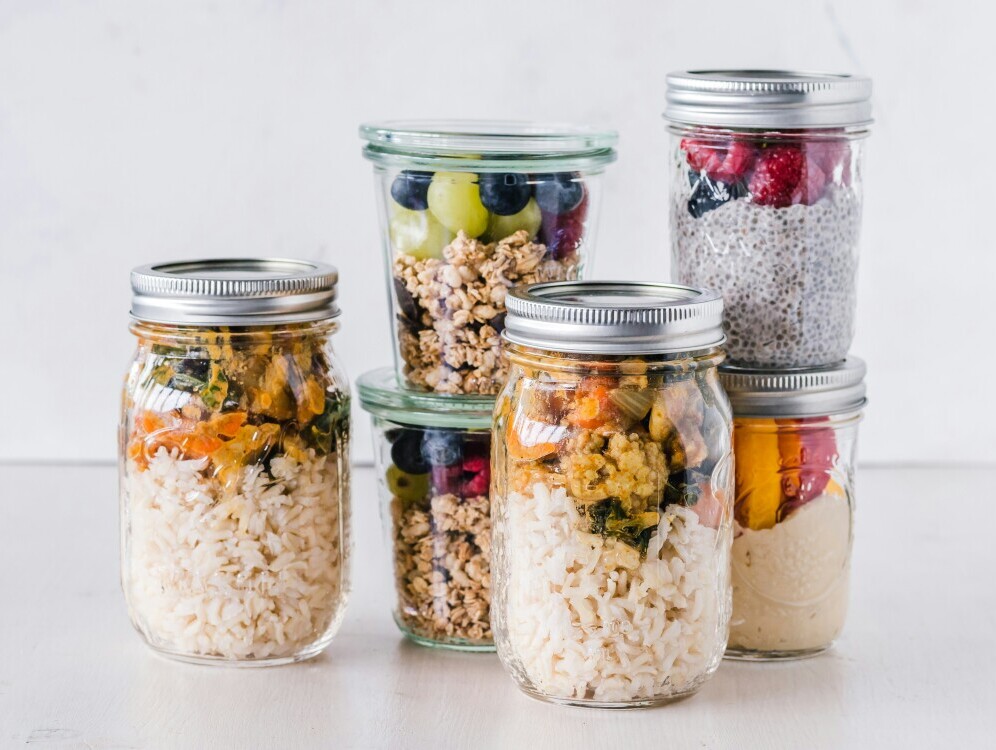
Combine all ingredients in a jar or container. Let sit in the fridge overnight. Grab and go in the morning for a quick, affordable, and healthy breakfast.
Affordable Ingredient Swaps
- Beans and lentils are affordable and add protein, and can sub for meat in most recipes.
- Frozen veggies are cheaper out of season and last longer than fresh.
- Rice and pasta are budgetfriendly, filling, and great for making meals stretch.
- Eggs make a quick, proteinpacked meal at any time of day.
I’ve found that being flexible with recipes and shopping sales gives me more options. It’s totally fine to buy store brands, the taste is usually just as good at a lower price. And don’t overlook canned or jarred goods; they’re sometimes even more budgetfriendly than fresh and keep much longer, so you have backup ingredients ready for lastminute meals.
Having a short list of “cheap meal basics” helps when life gets busy, and sometimes the most satisfying dinners are the ones built from whatever is in the pantry.
Smart Storage: How To Reduce Waste And Save More
When I first started meal prepping, I’d end up throwing away half a box of wilted spinach or forgotten leftovers. Keeping food fresh for longer really helps save money over time.
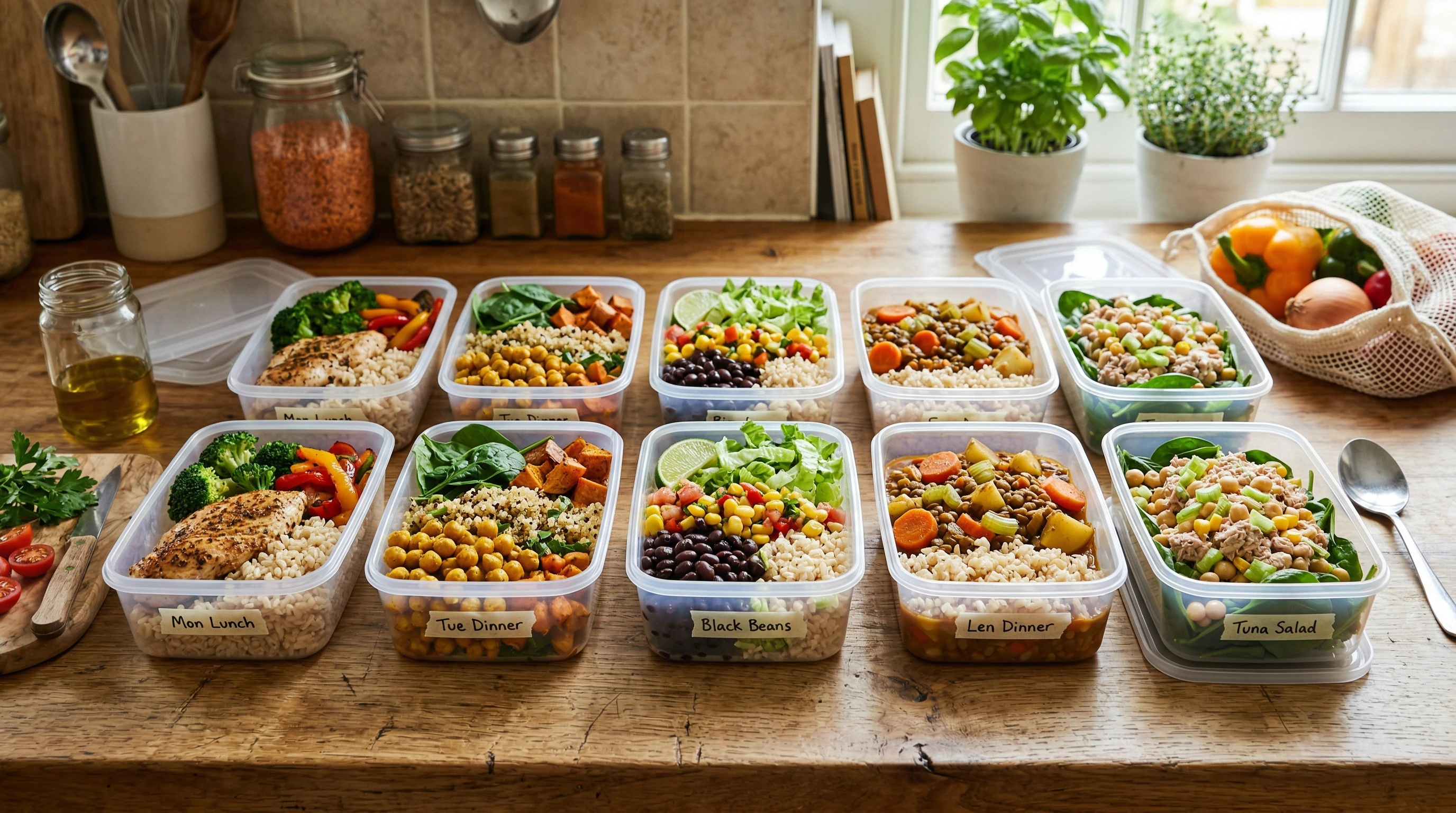
- Use clear containers. I keep my meals in clear tubs so I can easily see what needs eating first.
- Label leftovers with dates. Even just a sticky note works, no more mystery containers.
- Portion out snacks. I divide snack items like carrots or cheese into individual servings to prevent oversnacking and reduce waste.
- Freeze extra portions. If I have more than I’ll eat in a few days, freezing extras helps prevent spoilage.
Getting in the habit of doing a quick fridge check before shopping also makes a difference for my grocery bill. Try to use up older ingredients first, and plan one meal each week around anything near its “use by” date. When storing leftovers, let hot foods cool to room temperature before refrigerating to keep your food at its best for longer.
Common Questions About Prepping On A Budget
Q: How can I eat healthy on a tight budget?
When I want to save money and still eat well, I focus on pantry staples like beans, rice, and frozen veggies. Cooking at home with these basics gives me control over ingredients and helps me avoid the higher cost of premade or takeout meals. Buying in bulk also stretches dollars further. I also try to plan meals around sales and create a few go-to recipes that use what’s cheapest that week.
Q: Are there any quick meals for really busy nights?
I keep a few essentials on hand just for those nights—things like canned beans, eggs, tortillas, and frozen vegetables. Stir-fries, wraps, or even breakfast-for-dinner can come together in under 15 minutes, which is perfect after a hectic day. Even a simple soup from broth, noodles, and leftover veggies works in a pinch.
Q: What if I get bored of eating the same thing?
Switching up sauces, adding different spices, or using wraps and salads helps keep things interesting. Sometimes I’ll prep one main dish and build different meals from it across the week to make dinner feel less repetitive. Cooking a big batch of grains or proteins and changing the flavors daily makes the week feel less monotonous. Add-ons like hot sauce, salsa, pickled veggies, or sliced avocado are simple ways to shake up basic meals.
Q: How far ahead should I prep meals?
Meals usually stay fresh for three to four days in the fridge. For anything longer, I freeze extra portions. I prep enough for busy weekdays and leave room for a spontaneous pizza night or leftovers. If you’re a planner, making freezer-friendly soups, casseroles, or breakfast sandwiches means you can stock up for even busier weeks ahead.
You’ve Got This! Share Your Own Wins
Meal prepping on a budget doesn’t need to feel like another job on your plate. Small changes add up, from using what’s already in your pantry to trying a new easy recipe each week. I hope these ideas help make dinners and lunches a bit easier and kinder on your wallet. Choose one of these recipes to prep for the week, it just might become a favorite. If you have your own budget-friendly ideas or prep hacks, I’d love to hear about them in the comments below. Happy prepping and happy eating!