
If you’re craving a lunch that feels a bit more special than a basic turkey and cheese, making gourmet sandwiches at home is such a rewarding move. Not only do you save money compared to heading out for a bistro-style meal, but you also get full control over the flavors, ingredients, and textures. I’ve made quite a few upgrades to my own lunches over the years, and it all comes down to small choices that make a big difference. Here, I want to share everything I know about building that café-worthy sandwich in your own kitchen.
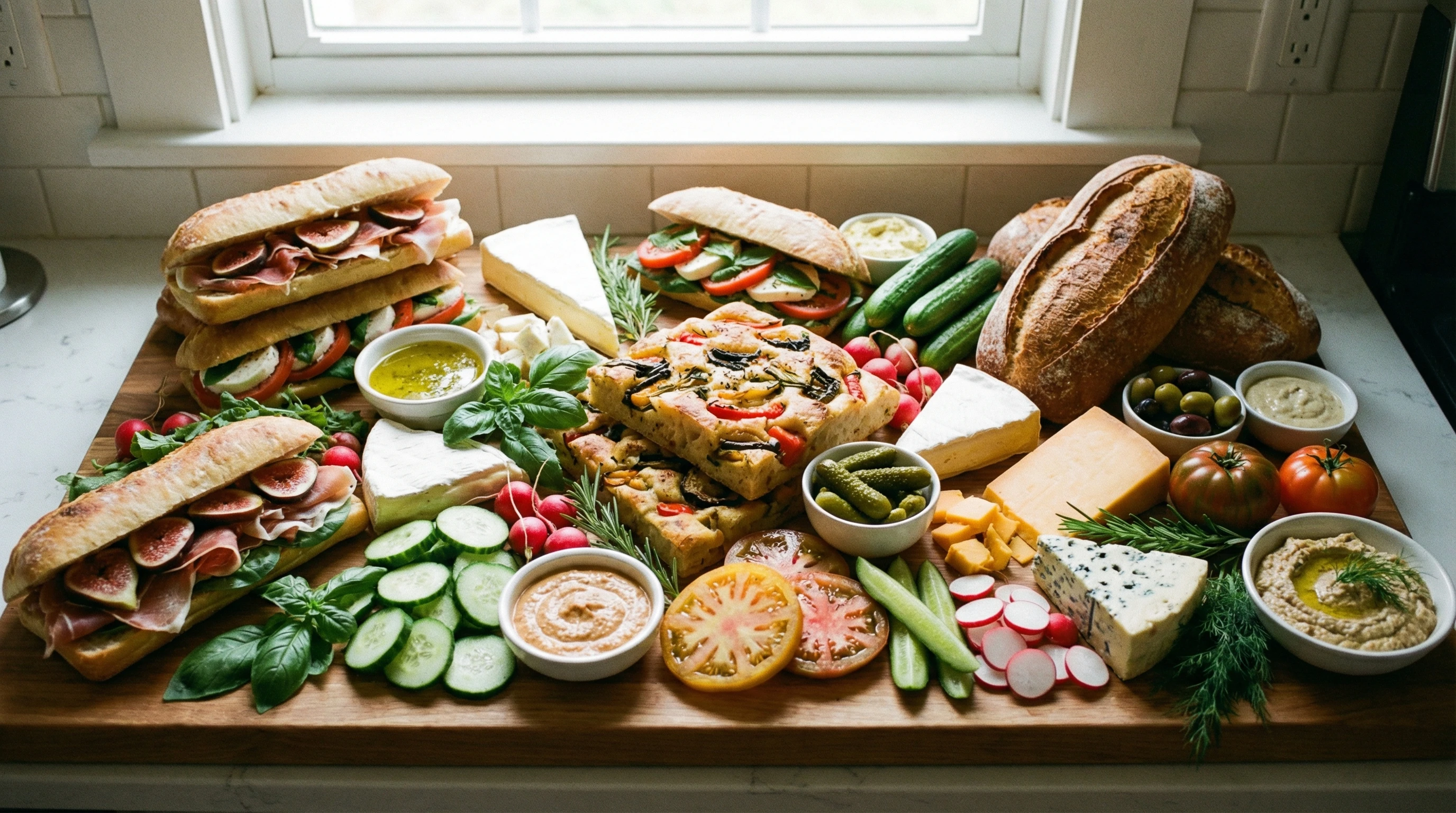
Getting To Know Gourmet Sandwiches
Gourmet sandwiches are all about combinations you can’t always find in a regular deli. Instead of defaulting to simple lunch meat and cheese, you’ll lean into bolder flavors; think hearty breads, unique cheeses, custom spreads, roasted veggies, and even seasonal add-ins. Even if you’re just swapping out mayo for a tangy aioli or adding fresh arugula instead of plain iceberg, you’re already stepping up your sandwich game.
Sandwich shops and chefs have made a name for themselves by focusing on high-quality ingredients and unexpected combos. Inspiration can come from practically anywhere: French bistros love gruyere and caramelized onions, while California cafes pile on roasted chicken and avocado. The great thing is, you can borrow these ideas for your own kitchen anytime. Try to check out menus from top-rated sandwich spots online for new flavor ideas or visit a local bakery for fresh bread you haven’t tried before. Even the small step of tasting an unusual cheese at the store might jumpstart your next sandwich creation.
Starting With the Foundation: Bread Choices
The right bread turns an average sandwich into something memorable. I like to switch things up by using fresh ciabatta, sourdough, crusty baguette, or multigrain. These breads bring real texture and flavor, and they also hold up well once you start adding sauces and juicy fillings. A soft focaccia or brioche works for rich, buttery combinations, giving your sandwich a melt-in-the-mouth quality.
Here are a few breads worth trying:
- Ciabatta: Open crumb and chewy; works great for panini-style or pressed sandwiches.
- Sourdough: Tangy and crusty, matching both hearty meats and roasted veggies.
- Baguette: Firm, perfect for classic French combos or anything with gravy-style sauces.
- Whole grain: Nutty flavor, lots of fiber, and pairs nicely with lighter, veggie-heavy fillings.
- Brioche: Slightly sweet and super soft, ideal for chicken salad or ham sandwiches.
If you like extra flavor, try breads with seeds, nuts, or dried fruits mixed in—they add a next level cool touch without much extra effort. Remember, picking the right bread can make or break your sandwich, so take a little time to track down the freshest loaf you can find.
Layering In the Goods: Proteins and Cheeses
The filling is where you can get really creative. While lunch meats are convenient, cooking (or even reheating) your own meats takes things further. I always love leftover roast chicken, shredded pork, or sliced steak in a sandwich. Marinated tofu or roasted chickpeas work well for a plant-based lunch. For cheese, I go for sharp and unique: think aged cheddar, creamy brie, blue, or nutty gruyere.
Some favorite protein and cheese combos:
- Roast beef and gruyere: Add a little wholegrain mustard and baby arugula on a baguette.
- Grilled chicken and fresh mozzarella: Top with roasted tomatoes and basil.
- Smoked turkey and aged cheddar: Cranberry sauce or apple slices make this pop.
- Marinated tofu and feta: Layer with thin sliced cucumber, radish, and lemony dill yogurt.
If you’re looking to mix in some variety, try smoked salmon with cream cheese and capers, or thinly sliced roast veggies with goat cheese. Consider how the cheese melts or behaves at room temperature—some types transform with heat while others bring a creamy counterpoint to cold cuts and greens.
Don’t Forget the Veggies (And Why They Matter)
Textures and freshness keep a gourmet sandwich interesting. I almost always add something crunchy or punchy to the mix, like pickled onions, leaf lettuce, shredded carrot, or roasted peppers. Roasted or grilled veggies like eggplant, zucchini, and Portobello mushrooms are not only filling but also add a smoky, savory layer.
Some extra touches include:
- Pickled Veggies: These add a tangy crunch that cuts through rich flavors. You can use store bought or make quick pickles at home—just slice the veggies and let them soak in vinegar and spices for an hour or so.
- Fresh Greens: Arugula, spinach, watercress, or microgreens all give a nice peppery bite.
- Caramelized Onions: Perfect with roasted meats and aged cheeses; they bring a gentle sweetness.
- Raw Sliced Veggies: Thin sliced radish, cucumber, or fennel brightens up the sandwich and keeps things feeling fresh.
If you want more eye-catching color, roasted red peppers or purple cabbage slaw make sandwiches look and taste next level cool. These ingredients also add extra nutrients, making each bite as healthy as it is tasty.
Sauces and Spreads: Flavor Boosters
This is where things take off. I swap plain mayo for sriracha aioli, pesto, or sundried tomato spread. Sometimes I use Greek yogurt based sauces, lemony tahini, or a drizzle of balsamic glaze. Dijon mustard or olive tapenade goes a long way if you’re looking for bold flavor with fewer calories.
Some easy spreads to whip up fast:
- Pesto Mayo: Mix equal parts pesto and mayo for bright herbs and creamy texture.
- Roasted Red Pepper Aioli: Blend roasted peppers with garlic, olive oil, and a spoonful of mayo or yogurt.
- Herbed Cream Cheese: Add fresh dill, chives, and a squeeze of lemon for a tangy, herby vibe.
- Honey Mustard: Classic with ham or turkey, just blend honey, Dijon mustard, and a splash of apple cider vinegar.
If you’re in a time crunch, even spicing up store-bought mayo with chili flakes or smoked paprika gives your sandwich a fresh taste. Bringing in unique spreads is one of the quickest ways to set your sandwich apart and keep your taste buds guessing.
Step by Step: Building Your Gourmet Sandwich
Putting it together is pretty simple when you keep a few basics in mind:
- Bread prep: Toast or grill your bread for a sturdy base and a bit of crunch. Soft breads work better when left untoasted for creamy fillings.
- Layer the spreads: Spread sauces edge to edge so you get flavor in every bite. If your sandwich is tall, put a different spread on each slice for contrast.
- Proteins first: Lay down your meat, poultry, or plant-based protein before cheese and veggies. Melty cheese goes on next to protein for best results if you’re heating it up.
- Add crunch and freshness: Tuck crisp greens, slaw, or pickled veggies in the middle or near the top to avoid sogginess.
- Finish with extras: Press it together, slice it how you like (diagonal always feels more “gourmet” to me), and secure with a toothpick if needed.
Some people like to finish with a drizzle of olive oil, a pinch of flaky salt, or a few twists of black pepper right before serving. This small step is pretty handy for making the flavor pop. If you have fresh herbs, sprinkle them on right before eating to take things up a notch.
Tips for Making Lunches Ahead
If you’re prepping sandwiches ahead for work or school lunches, sturdy bread is your friend. I keep wet things (like tomatoes or dressings) in a separate container and assemble right before eating, or layer with lettuce to block moisture. Wrap sandwiches tightly in parchment or foil, or use reusable containers, so things stay fresh till lunchtime.
Roasting proteins and veggies in advance or pre-chopping ingredients can save time. When I’m in a rush in the morning, having a fridge with prepped chicken, sliced cheese, and ready to go spreads makes all the difference. It’s also fun to prep pickled onions or aioli in advance for the week, so you can just grab and go. If you want to make everything even easier, set up a “sandwich station” in your fridge: group containers of all your favorite sandwich add-ins together so lunchtime comes together fast.
Common Pitfalls and How To Easily Avoid Them
- Soggy bread: Spread butter or place leafy greens closest to the bread as a barrier.
- Too many flavors: Stick to a main theme; too many fillings can clash. About four to five main ingredients keep flavors balanced.
- Uneven filling: Distribute fillings evenly for a bite that’s tasty all the way through.
- Forgettable spreads: Even a quick swipe of spiced mayo or olive tapenade makes a big difference, so don’t skip the sauce.
If you ever end up with a sandwich that’s too heavy or too dry, adjust your ratio of spreads and crunchy veggies on your next try. Taste as you go—a little more acid (like pickles or mustard) can balance out rich proteins, while a small drizzle of honey can soften sharp cheeses.
Advanced Touches for Serious Sandwich Lovers
If you want to really go for it, here’s what I like to throw in:
Homemade Pickles and Quick Pickled Veg: Slicing cucumbers or onions and soaking them in a simple vinegar and sugar mixture for an hour transforms them into something super tasty. They give a bright, tangy flavor that works with almost any filling. For an extra kick, toss in a pinch of red pepper flakes or peppercorns while pickling.
Infused Oils or Flavored Butters: Try brushing the bread with rosemary or garlic infused olive oil before toasting. Compound butters (mixed with herbs, zest, or spices) on warm bread are really special and can add serious depth to your sandwich. If you’ve never tried lemon zest butter, you’re missing out.
Hot Sandwich Press: Using a panini press or heavy skillet to toast a sandwich creates a crisp crust and melty middle. Even a quick press on a grill pan does wonders. Pressing also helps compress thick sandwiches for easier bites.
Serving with Dips: Setting out a small bowl of soup, seasoned olive oil, or a bright vinaigrette for dipping your sandwich can make the meal feel restaurant worthy. Try a light tomato soup or creamy yogurt dip for extra flavor layers.
You can also experiment with adding toasted nuts, crispy fried onions, or even a sprinkle of seeds for crunch and visual pop. These little flourishes upgrade the eating experience and look amazing for guests or Instagram shots.
RealLife Examples of Great Gourmet Sandwiches
- Caprese Chicken Sandwich: Grilled chicken breast, mozzarella, tomato, arugula, and basil pesto on toasted ciabatta.
- Veggie & Hummus Delight: Roasted eggplant, bell pepper, greens, carrot ribbons, and creamy hummus in wholegrain bread.
- Ham, Brie & Apple Melt: Sliced ham, creamy brie, thin green apple, and honey mustard pressed in a baguette.
- Cuban Inspired Pork Sandwich: Shredded pork, ham, Swiss cheese, pickles, and yellow mustard on pressed baguette.
I’ve made variations on these at home and the best part is tweaking them based on what’s in my fridge or what’s in season. Swap out proteins or cheeses as needed, and don’t hesitate to use flavored mustards, chutneys, or spreads you stumble upon at your market. Add fresh herbs or seasonal greens to let your sandwich match the time of year.
Frequently Asked Questions
Sandwich questions pop up all the time, especially when you’re branching into home “gourmet” territory. Here are a few I get—or have asked myself:
Q: What bread holds up best for lots of fillings?
A: Ciabatta, baguette, and sturdy sourdough do a great job carrying loaded fillings, even with plenty of sauces.
Q: How do you keep sandwiches from getting soggy in a lunchbox?
A: Put wet ingredients (like tomatoes or sauces) in a separate container when packing in advance and add right before eating. Layering with leafy greens or cheese as a barrier against moisture also helps.
Q: Any ideas for easy vegetarian gourmet sandwiches?
A: Try roasted veggie combos, hummus, marinated tofu, or cheese and fruit pairings. Even adding a good tapenade or fancy mustard can totally change up the flavor.
Q: How can I make my sandwiches eye-catching for parties?
A: Use colorful tomatoes, pickled red onions, or bright slaw. Diagonal cuts and toppings like microgreens or edible flowers make sandwiches stand out and feel special at gatherings.
Wrapping It Up
Building a gourmet lunch sandwich at home really comes down to treating each part—bread, spreads, fillings, and veggies—as an opportunity to layer in flavor and texture. It’s a fun way to experiment and make lunch feel like something special. I find that once you start swapping in new ingredients and playing with combinations, the basic sandwich starts to feel a whole lot more like a treat than just another midday meal. Enjoy the process and don’t be shy about getting creative with what you have on hand. From finding bread that matches your cravings to mixing up sauces, there’s always a new combo waiting to make lunch your favorite meal of the day.