I know how tough it can feel to pack a healthy lunch every day when you’re short on time and fed up with expensive takeout. Life gets hectic; mornings feel rushed, and coming up with new lunch ideas can leave anyone staring blankly into the fridge, hoping for inspiration. Making lunch at home doesn’t have to be expensive, boring, or time consuming. I’ve gathered some of my favorite quick, tasty, and healthy lunchbox ideas that work for busy days, whether you’re headed to school, the office, or just want to save a bit of money without skimping on flavor.
Why Packing a Lunch Matters for Health and Savings
Bringing your own lunch can help you eat better and save money. I’ve found that making lunch at home helps keep portions in check and encourages me to use plenty of fresh veggies, whole grains, and lean proteins. The cost of eating out adds up, and even when I’m just grabbing a sandwich, it rarely matches the quality of what I can make myself in about the same amount of time it takes to stand in line. With a few easy strategies, it’s possible to enjoy homemade lunches that don’t leave you feeling hungry or broke by 3 p.m. Plus, prepping your meals puts you in control of what goes into your food, helping you cook with less salt, sugar, and unhealthy fats.
Quick and Healthy Lunchbox Recipes Anyone Can Make
Healthy doesn’t mean complicated or bland. These simple lunchbox ideas take less than 30 minutes to put together and are perfect for anyone who prefers flavor and convenience. Here are some of my go to recipes:
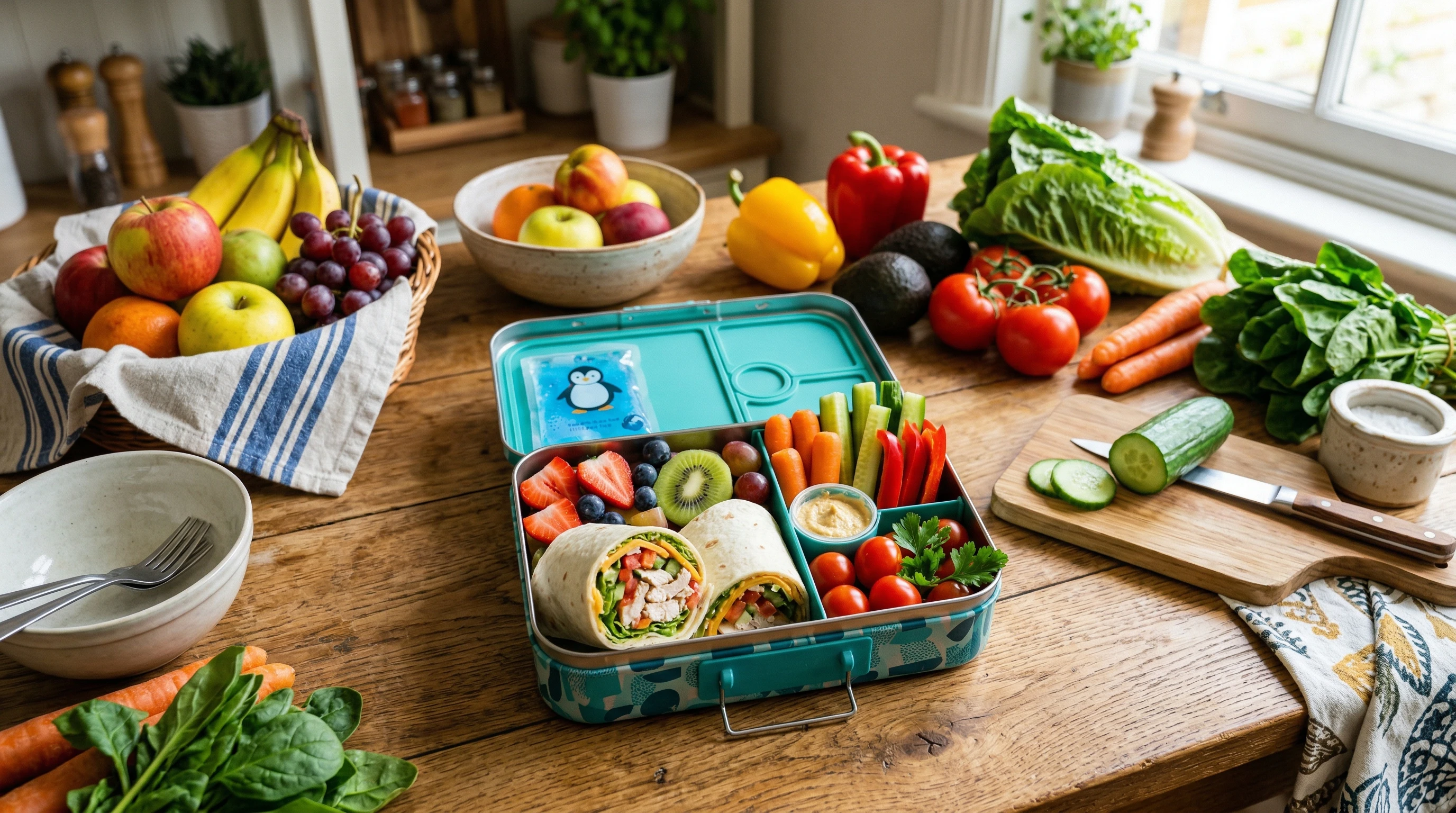
- Veggie Wraps: I like to fill whole wheat tortillas with hummus, crisp veggies (such as bell peppers, cucumber, carrots, spinach), and some grilled chicken or beans. I slice it into pinwheels for easy eating and pack a side of grapes or an apple. Sometimes I change up the fillings depending on what’s in my fridge or the season. Roasted squash or sweet potato works great in these too.
- Mason Jar Salads: Layering salad in a jar keeps it fresh. I put the dressing at the bottom, then crunchy veggies, protein (like chickpeas or leftover chicken), and finally leafy greens on top. Shake it up when you’re ready to eat. It stays crisp until lunchtime and travels well. You can also add nuts or seeds for extra crunch, or quinoa for added protein and fiber.
- DIY Lunchables: I make adult versions with sliced turkey or ham, cubes of cheese, whole grain crackers, cherry tomatoes, and a piece of fruit. This is a fun, mix and match option for kids and adults alike, and you control the portions and ingredients compared to store bought versions. Toss in some pickle slices or a few olives for extra flavor.
- Egg Muffins: These bite sized frittatas can be prepped in advance. I whisk eggs with veggies and a sprinkle of cheese, pour into muffin tins, and bake. Pop a few into a lunchbox with a slice of whole wheat toast or some cut veggies. These keep well in the fridge for a few days, making them a quick grab-and-go option in the morning.
- Pasta Salad Bowls: Whole wheat pasta tossed with chopped veggies, beans, and a simple vinaigrette makes for a filling and flavorful lunch. Sometimes I add olives or crumbled feta to switch things up; for a more Mediterranean spin, add sun dried tomatoes and basil.
Smart Ingredient Swaps to Save Money and Give a Boost to Nutrition
Healthy lunches don’t have to be expensive. I rely on a few smart swaps to keep costs down and meals interesting. Here’s what has worked for me:
- Switch white bread for whole grain: Whole grain options add fiber and will keep you full for longer.
- Use seasonal produce: Buying what’s in season not only saves money but almost always tastes better. Carrots, apples, cucumbers, and bananas are usually affordable and hold up well in a lunchbox. Peaches and berries are great in spring and summer; in fall, go for pears and grapes.
- Beans over meat: Swapping some animal proteins for beans or lentils saves money and adds nutrients like iron and fiber. For example, chickpeas in salads or black beans in wraps taste great and cost less than deli meat. You can even mash beans with avocado for a creamy spread.
- Greek yogurt for dips or dressings: I use plain Greek yogurt mixed with herbs for dipping veggies or as a creamy sandwich spread. It’s cheaper than store bought dips and packs more protein. Stir in some lemon juice or mustard for an extra punch.
Packing and Storing Lunch for Freshness
Keeping food fresh from morning to lunchtime is super important, especially if you’re not able to refrigerate during the day. I use insulated lunch bags and small ice packs to keep things cool. Here are some tips that save me from soggy sandwiches and wilted salads:
- Keep salad dressing in a separate small container and add it just before eating.
- Wrap sandwiches in parchment paper or reusable beeswax wrap, which lets bread breathe and keeps it from getting soggy.
- Use small containers to portion out snacks like nuts, trail mix, or berries, so nothing gets crushed.
- I try to pack lunches the night before. Putting everything together after dinner means less stress in the morning and a better chance I’ll actually bring my lunch with me.
If there are leftovers from dinner, I always look for ways to turn them into lunch the next day. Roasted veggies or chicken can top salads, or get tucked into wraps. Even rice from dinner forms the base for a quick grain bowl when I add chopped veggies and dressing. Rice with beans and salsa makes a satisfying lunch that can be eaten cold or heated up.
Answers to Common Lunchbox Questions
Over the years, I’ve fielded more than a few questions (and had them myself) when it comes to healthy homemade lunches. Here are those I hear most often:
How do I eat healthy on a tight budget?
Frozen veggies, beans, canned tuna, and eggs are staples in my pantry because they’re affordable and can be used in all sorts of ways. Planning a week’s worth of lunches in advance helps avoid waste and means I use up what I’ve already bought. When I’m tired of sandwiches, I’ll make a big batch of soup and pack it in a thermos for a few lunches in a row. Making a shopping list and sticking to it helps keep spending in check. Don’t be afraid to check out local produce markets or bulk bins for deals.
What are quick lunch ideas for busy days?
Hard boiled eggs, overnight oats, and grain salads are all things I can prep ahead of time, even days before, and just grab before heading out. If I’m too rushed in the morning, I go for simple snack style lunches, like nut butter with celery or apples, a cheese stick, and some crackers. Keeping a few easy to assemble options on hand makes fast mornings easier to handle.
How can I avoid food waste with lunch prep?
I use up food odds and ends by tossing leftovers into grain bowls or making fridge clearing salads. Chopped veggies, a little cheese, bits of roast chicken, or even fruit that’s past its prime can all go into lunchboxes. If I see something in my fridge that needs to be used, it almost always makes it into my lunch for the next day. Freezing leftover bread or pita means you can quickly make sandwiches or pita pizza later.
What are some lunchbox snacks that are filling and healthy?
My favorites are homemade trail mix (nuts and dried fruit), air popped popcorn, roasted chickpeas, cut veggies with hummus, cheese cubes, and fresh fruit. Packing a little variety makes it feel like a treat without relying on packaged snacks. Roasted pumpkin seeds or a small container of cottage cheese are also protein-rich snacks that travel well.
Time Saving Tips to Make Packing Lunch Easier
Getting into the habit of packing a healthy lunch is much easier when you have a plan. I find it helpful to prep ingredients for the week, like washing and chopping veggies or making a batch of rice or boiled eggs. Keeping a list of favorite lunchbox combos on the fridge saves me from running out of ideas. On super busy days, I’ll reach for freezer friendly options like soup, chili, or homemade burritos that just need a quick zap in the microwave before packing.
Reusable containers and small jars for sauces or dressings make it simple to keep things separate and organized; it’s also good for the environment, and I spend less money on single use bags or wraps. Saving little dressing containers from takeout or washing out glass jars can also stretch your kitchen budget even further. Setting aside 30 minutes on the weekend to prep snacks or portion out meals smooths the way for stress free lunch packing all week.
Encouragement and Next Steps
Packing a healthy lunch for work or school doesn’t need to be complicated or bland. Once I got into the routine and started using easy recipes and affordable swaps, the whole process felt less like a daily task and more like a chance to try new foods and stay in control of my budget and health. If you’re just getting started, try one new lunchbox idea this week. Share your swaps and tricks with others, you’ll inspire your friends and maybe learn a hack or two in return. Sticking with it for a few weeks will help you get into a rhythm, and soon packing lunch will be just another part of an energizing morning routine.