If you’re after easy, healthy meal prep ideas and you’re brand new to the kitchen, you’re definitely not alone. Jumping into meal prep is a game-changer for anyone hoping to eat better, save time, and dodge takeout temptations. I’ve picked up a bunch of tips and tricks over the years and want to break it all down simply so you can start meal prepping right away without feeling overwhelmed. This is all about practical steps, basic tools, and tasty combos. No chef skills required.
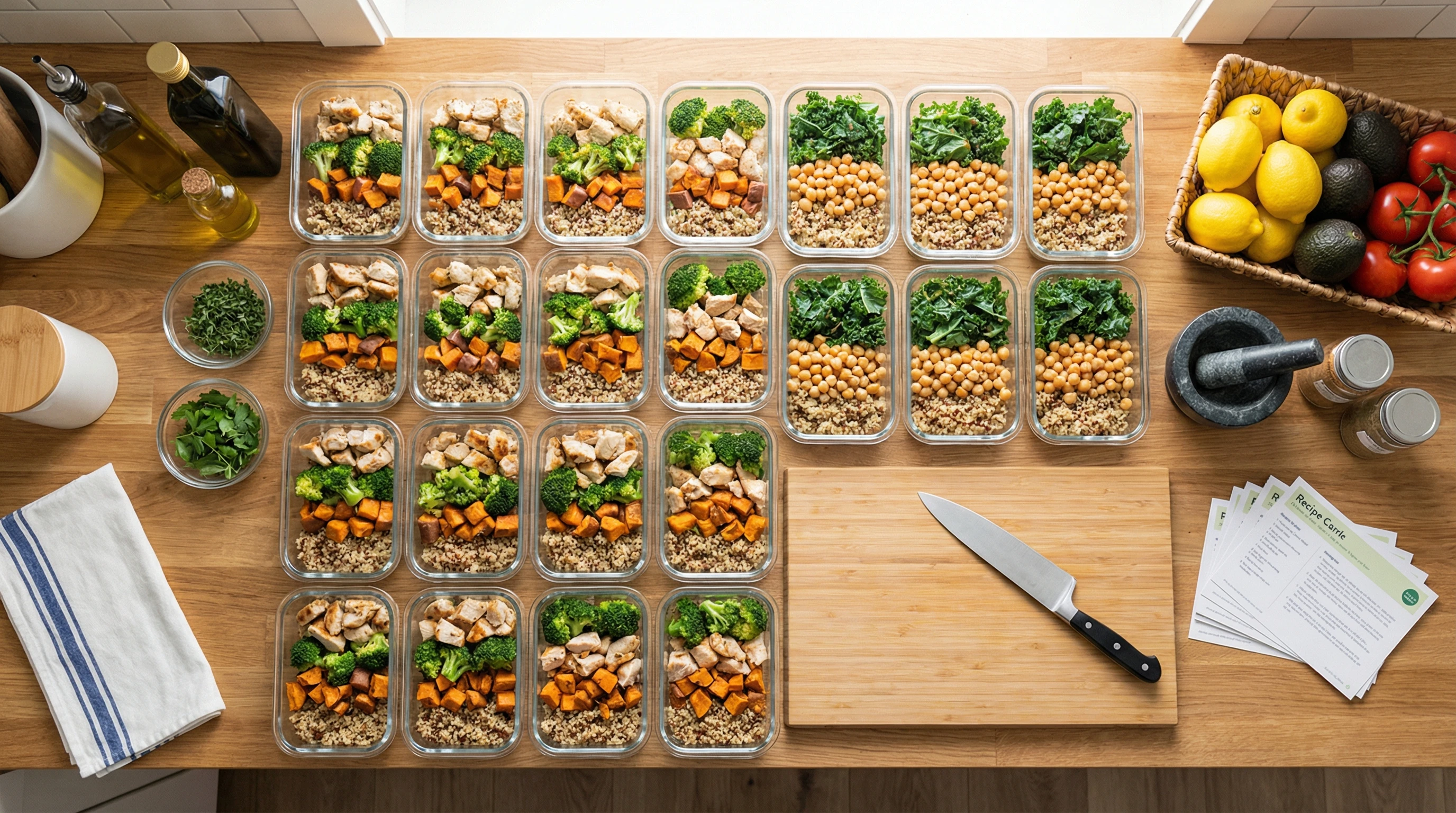
Getting Started with Easy Healthy Meal Prep
Meal prep isn’t just about cooking in advance; it’s about cutting out daily stress and setting yourself up for better eating habits. The basics are pretty straightforward: cook bigger batches of food, portion them out, and store them for later. That’s it. Most beginners start by prepping lunches or dinners for busy weekdays when grabbing something quick usually wins.
The meal prep movement took off in the last decade, and for good reason. With work, school, or family routines, there’s not always time or energy to cook from scratch every night. By batch-cooking once or twice a week, you spend less time in the kitchen overall and way less money on last-minute food runs. According to Harvard Health, having prepped meals on hand can also support healthier food choices and help with portion control. Sometimes, it just means having one less thing to worry about. Plus, it opens up more time for hobbies or relaxation outside the kitchen, which helps with work-life balance and better stress management.
What You Need for Beginner Meal Prep
Jumping in is a lot smoother with a couple basics at your fingertips. Cookware doesn’t have to be fancy. I made my first week of meal prep in a small kitchen with nothing but a cheap baking tray, a stockpot, and a skillet. Here’s a checklist to help you get organized:
- Meal Prep Containers: opt for a set of sturdy, reusable containers in various sizes. Glass containers are great for reheating, while BPA-free plastic work for snacks and cold meals.
- Basic Cookware: Think pots, pans, baking sheets, and a sharp knife. These staples get the job done for just about any recipe.
- Measuring Cups/Spoons: Handy for new cooks who want consistency, especially when following recipes or watching portion sizes.
- Grocery Staples: Stock up on basics like brown rice, quinoa, canned beans, olive oil, and a range of seasonings. It makes prepping and switching up flavors really simple.
You’ll also want to have a clear section in your fridge or pantry, so prepped meals are easy to find. Keeping your kitchen organized makes meal prep less hectic and creates more space for inspiration, even on busy nights.
Simple Steps: How to Get Your Meal Prep Routine Rolling
This is the meal prep flow I wish I’d known when I started. Breaking it down like this keeps you on track and helps the process feel more doable:
- Pick Your Meals. Start small. Choose two or three recipes you already like. Bowls, sheet pan dinners, and soups are all forgiving if you’re learning.
- Shop Smart. Write a list and stick to it. Group items by section (produce, grains, proteins) so groceries take less time.
- Batch Cook. Use your oven and stovetop to cook several items at once: roast veggies, bake chicken, and simmer grains side by side. If you’re limited on space, cook in batches and rotate pans as needed, so nothing feels rushed.
- Portion It Out. Divide cooked food into containers. Label with days or meals so you’re not guessing later on.
- Store Safely. Make sure hot food cools before sealing up. Meals for the week go in the fridge; the rest can head to the freezer if you made extra.
Following these basics once a week gives you a bunch of grab-and-go meal options that are way more nutritious than eating on the fly. Consistency with these steps helps you build a steady habit, and soon you’ll be meal prepping almost without thinking about it.
Easy Meal Prep Ideas That Don’t Get Boring
You don’t have to eat plain grilled chicken every day. I get questions all the time about how to keep things interesting. Trust me, variety makes it way easier to stick with it. Here are some easy and healthy combos you can mix and match to keep taste buds happy:
- Buddha Bowls: Combine cooked grains, roasted or fresh veggies, and your protein of choice (think beans, grilled fish, or tofu). Finish with a quick homemade dressing.
- Sheet pan Dinners: Place chopped veggies and a protein on a tray, add olive oil and seasoning, and roast everything at once. Cleanup is way easier, too.
- Mason Jar Salads: Layer dressing at the bottom, then add sturdy veggies, grains, and lighter toppings. Shake before you eat.
- Breakfast Burritos or Egg Muffins: Make a dozen, freeze them, and grab one in the morning. Reheat in the microwave. Breakfast done.
- Freezer Friendly Soups or Stews: Double a recipe, pour into containers, and stash half in the freezer for busy weeks.
The key is to cook ingredients that work together but can also be kept separate, so you aren’t eating the same thing five nights in a row. Spice blends, different dressings, and rotating grains let you get as creative as you want.
Common Challenges and How to Beat Them
Even with the best of intentions, starting meal prep as a beginner can trip you up. Here are the snags I see most often, and what actually helps:
- Too Much at Once: Trying to prep every single meal all week can feel like a marathon. Start with five lunches and see how that feels. Scaling up is easier than burning out.
- Boredom with Food: Using different spices or sauces can switch up the same base ingredients, so you’re not stuck with one flavor profile. Fresh herbs, toasted seeds, or pickled veggies make a plate feel totally new.
- Food Spoilage: Some meals just don’t store as well. If you notice things getting mushy, stick to prepping only three or four days at a time and freeze extras.
- Running Out of Time: Prep after dinner or on a Sunday afternoon while watching TV. Pair meal prep with something you enjoy so it feels less like a chore. Listen to an audiobook or call a friend while you chop. It passes the time and makes prepping almost fun.
Food Safety Basics
Good food safety is super important. Always wash your hands and cutting boards regularly. Store meals in airtight containers and pop leftovers in the refrigerator within two hours of cooking. For reheating, make sure food is steaming hot all the way through (165°F or 74°C). Following a few simple safety rules helps keep your meals fresh, and keeps you feeling good, too. If you’re prepping for kids or someone with a sensitive stomach, double-check leftovers for freshness and always thaw frozen meals in the fridge rather than on the counter.
Upgrades: Cool Meal Prep Hacks Even Beginners Can Use
After your first few weeks, you might want to try a few tricks to save even more time:
Use Prechopped Veggies or Microwavable Grains.
When I’m in a rush, grabbing a bag of already washed greens or a pouch of microwave brown rice can seriously speed things up. Frozen prechopped onions, peppers, or stir-fry mixes are also awesome in a pinch.
Double Batch Basics.
Cook twice as much brown rice or quinoa, then use it in salads, stir-fries, or as a quick side dish later in the week. This also works with proteins like shredded chicken or lentils.
Customize Sauces.
Whipping up one or two easy sauces (like hummus, tahini dressing, or salsa) is a really fast way to make a week’s worth of meals feel fresh. Sauces can totally change the flavor, even if the main ingredients stay the same. Experiment with nut butters, spices, or yogurt to get different tastes without a lot of extra effort.
Label Your Containers.
Writing the date or meal on containers helps avoid mystery meals and reduces waste. I’ve forgotten what’s in the fridge more than once and having things labeled has saved me a ton of time and money.
Start Slow and Build Up.
If prepping a week’s worth of food feels intimidating, start by just prepping your lunches. Gradually add dinners, breakfasts, or snacks as you get more comfortable. Even prepping just one meal ahead is a win.
Practical Uses of Meal Prep in Everyday Life
Meal prep helps in tons of real-world situations. Here are ways it can make life a bit smoother:
- Busy Work Weeks: Having healthy lunches ready cuts down on midday stress and midday spending. You’re less likely to hit the vending machine or order fast food when real food is waiting for you.
- Family Cooking: Prepping ahead helps with picky eaters and busy nights. Kids can grab what they want, and you’re not cooking multiple meals every night.
- Fitness Goals: Planning ahead makes it easier to hit nutrition targets. Athletes and gymgoers swear by meal prep for this reason, and it’s a great tool for anyone looking to stick to a specific eating plan.
I know teachers, nurses, students, and busy parents who all use meal prep to make daily life a bit less hectic. The flexibility is probably what makes it so popular. You can pick meals that fit your specific needs, control allergies, and make sure you’re fueling your body right whether your days are packed or relaxed.
Meal prepping also helps cut down on food waste. By cooking ahead and storing leftovers properly, you use up ingredients that might otherwise get forgotten at the back of the fridge. It’s better for your budget and for the environment.
Frequently Asked Questions About Easy Healthy Meal Prep
Here are a couple questions I hear most often from people just starting out:
Question: How do I keep my meals from tasting bland?
Answer: Play with spices, vinegars, citrus, or quick homemade sauces. Even a basic chicken breast can taste totally different with a squeeze of lemon or a shake of smoked paprika. Don’t be afraid to add fresh herbs, garlic, or a splash of hot sauce for quick variety.
Question: How long do meal prepped foods stay good?
Answer: Most cooked meals are safe in the fridge for three or four days. If you prep extra, pop servings into the freezer to keep them tasting fresh. Always give food a sniff before eating if you’re unsure. When reheating, make sure everything is steaming hot throughout. Soups, stews, and baked goods generally freeze and thaw well, but some fresh veggies may get soft if frozen and reheated.
Question: Can I meal prep if I have no cooking experience?
Answer: Absolutely! Start with super simple plans, like salads or one pan recipes, and add more complex meals as you get comfortable. The more you do it, the easier and tastier it gets. Even just prepping breakfast or snacks can save tons of time, and you’ll build confidence as you go.
Easy Steps Toward Healthier, Lower-Stress Eating
Meal prep isn’t about being perfect. It’s about building a new routine that makes healthy eating easier. Stocking up on a few basics, picking recipes you enjoy, and getting into a simple batch cooking habit can make weekday lunches and dinners a breeze. Whether you’re cooking for one or feeding a family, these easy tips can make a real difference.
Start your meal prep habit and enjoy the freedom of having healthy, homemade meals ready to go. Your schedule, wallet, and taste buds will thank you. There’s nothing quite like opening your fridge and having stress-free options waiting for you. Jumpstart your journey into meal prep today, and watch how it takes your health, time, and daily rhythm up a notch.