
Trying to eat healthy without blowing your budget or spending hours in the kitchen might feel impossible. I know the pain of juggling work, family, and all those random errands while still wanting to enjoy meals that don’t come from a drive-thru. When grocery prices shoot up and every meal starts to look the same, meal prepping turns out to be a huge time-saver and a real money-stretching hack. I’m sharing my favorite (and totally doable) budget-friendly meal prep ideas for anyone who wants to start eating better and saving cash—no fancy skills required.
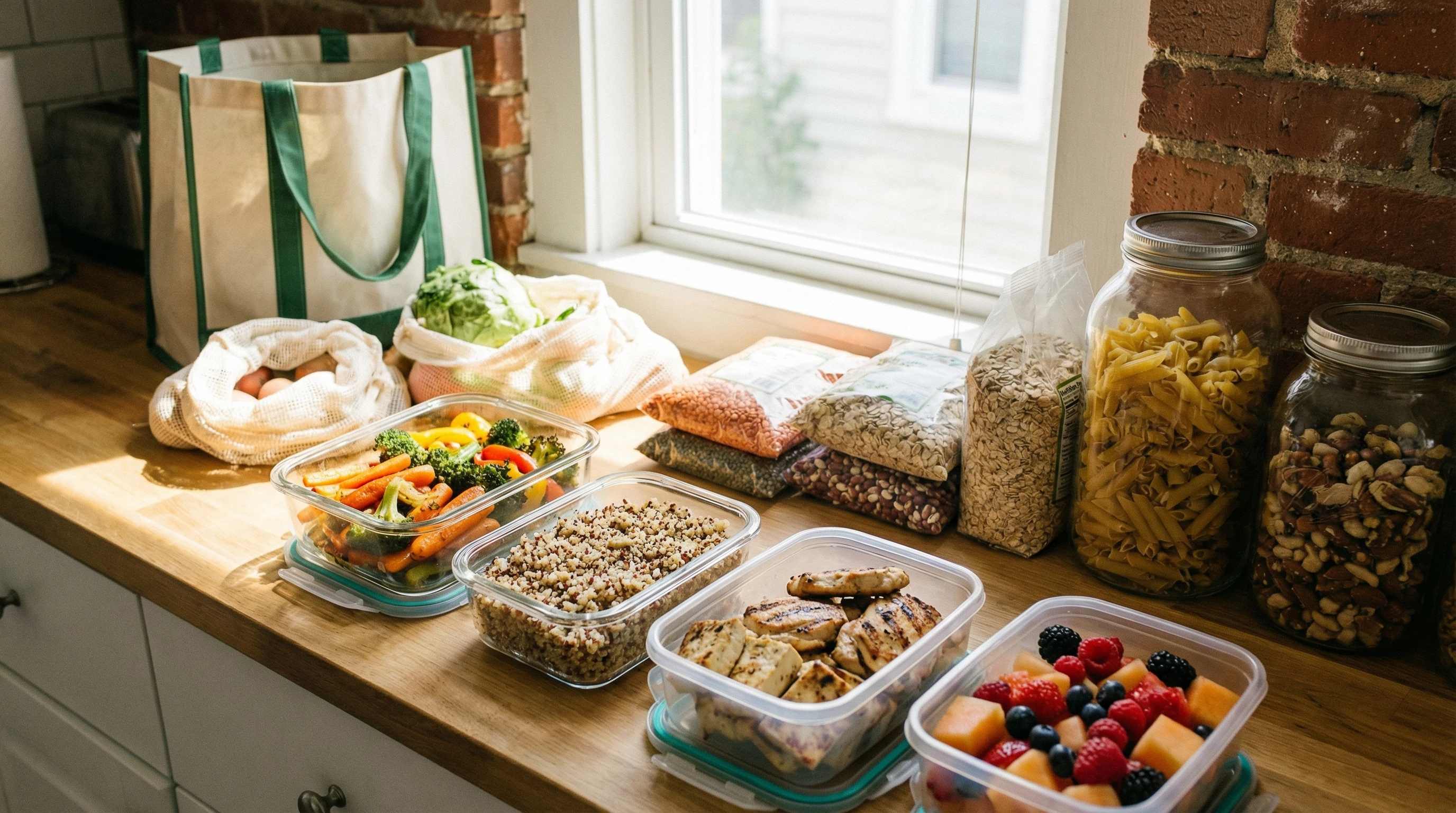
Why Meal Prep Works (Even If You’re Busy and Broke)
Having some ready to go meals stacked in the fridge does more than keep you full. It cuts down on impulse takeout, keeps you from wasting ingredients, and takes the stress out of dinner after a long day. I started meal prepping when I got tired of losing track of leftovers and blowing my budget on midweek lunches. Breaking meals down into grab and go portions ended up saving me time and money.
It’s not about spending all Sunday cooking. Even prepping a few things ahead, like rice, roast veggies, or shredded chicken, can mean real savings and better choices during the week. If grocery shopping makes your wallet cry, meal prepping helps you shop smart: bargain items, sale produce, and bulk staples go further when you plan ahead.
Simple Meal Prep Tips You’ll Actually Use
- Batch cook base ingredients. Pick versatile, budget-friendly foods—like rice, oats, roasted veggies, beans, or pasta. Cook in bulk, then mix and match throughout the week.
- Shop with a list (and stick to it). I stick to basic recipes with minimal ingredients. Only buy what you’ll use, and don’t get pulled in by fancy extras.
- Pick recipes that share ingredients. This keeps your grocery list short and stops waste. I often grill a pack of chicken that works for bowls, wraps, and salads.
- Use your freezer. Double your favorite meals and freeze half for another time. I’m always glad when there’s an emergency chili or soup in the back of the freezer.
- Invest in reusable containers. Single-serving containers speed up portioning and make grabbing your meal a breeze. I use glass so I can go from fridge to microwave without worries.
10 Budget-Friendly Meal Prep Ideas for Beginners
- One Pan Roasted Chicken and Veggies
Toss chopped root veggies (like carrots, potatoes, or sweet potatoes) and broccoli with oil and seasoning. Add chicken pieces on top. Bake everything at 400°F until cooked through (about 25 minutes). Divide it into containers. Super affordable, no special skills needed, and just one pan to wash.
- Vegetarian Chili
Canned beans, tomatoes, bell peppers, and corn simmered with some spices makes a filling chili that freezes well. Skip the meat and go heavy on beans and veggies to keep things budget-friendly and loaded with fiber. Serve over cooked rice or baked potatoes for a hearty twist.
- DIY Burrito Bowls
Pick a grain (rice or quinoa), add black beans, corn, sautéed onions and peppers, and finish with a scoop of salsa or a squeeze of lime. Add precooked chicken if you want more protein, or keep it plant-based with extra beans and some avocado if your budget allows.
- Egg Muffin Cups
Beat eggs, throw in leftover veggies, sprinkle in some cheese, and bake in a muffin tin. They’re quick to prep, keep well in the fridge, and make a killer on the go breakfast or snack.
- Lentil Soup
Lentils cook fast, are packed with protein, and are dirt cheap. Simmer with diced veggies, a can of tomatoes, and seasonings. Freeze extra portions. I always feel like I’m eating well (even if my wallet disagrees) when I have this soup on hand.
- Pasta Salad with Chicken or Chickpeas
Cook a batch of whole wheat or regular pasta, mix in veggies (like bell peppers, tomatoes, and cucumber), and toss with Italian dressing. Add shredded chicken or chickpeas for protein. The flavors get better after a day in the fridge, and you can grab and go all week.
- Overnight Oats
Scoop oats, milk (or yogurt), and fruit into a jar. Sweeten with honey or jam if you like. By morning, you get a creamy, no cook breakfast. Try using frozen berries or diced apples to keep costs low.
- Stir Fried Rice with Frozen Veggies
Use leftover rice and frozen mixed vegetables. Stir-fry with scrambled eggs and soy sauce for quick fried rice. Add tofu, diced chicken, or keep it as is for a budget-friendly meal.
- Sheet Pan Sausage and Veggies
Slice sausages, toss with chopped veggies and a little olive oil, then roast everything together. I find that affordable chicken or turkey sausage works well and flavors the veggies too.
- Greek Yogurt and Fruit Snack Packs
Spoon Greek yogurt into small containers, top with whatever fruit is on sale, and sprinkle on some oats or nuts if you have them. It’s more affordable than buying single serve yogurts and easy to customize for the week. If you want even more variety, try chocolate chips, dried cranberries, or a drizzle of peanut butter to mix in some flavor.
Ingredient Swaps to Save More Cash
Some of the cheapest meals I’ve ever made happened by swapping pricey ingredients for more budget-friendly options. Here are a few swaps that work in lots of recipes:
- Shredded chicken → Canned beans or lentils (Plant-based protein options are usually way cheaper.)
- Fresh produce → Frozen veggies (Frozen are often just as healthy, already chopped, and last way longer.)
- Quinoa → Brown rice or bulgur (Both are a fraction of the cost, with great texture for bowls and salads.)
- Greek yogurt → Plain regular yogurt (Almost the same for cooking, usually less expensive.)
- Sliced deli meat → Hard boiled eggs or canned tuna (Budget-friendly and high in protein.)
You can also stretch recipes by tossing in filling ingredients like potatoes, carrots, or beans. Adding cooked grains, pasta, or lentils to any soup, stew, or salad makes bigger portions without costing much more. If you find rotisserie chicken on sale, shred it and use for quick salads or sandwiches, giving you a lot more meals.
Meal Storage and Reheating Tips
How you store meal preps makes a real difference, especially when money’s tight and you want to avoid waste. I use clear containers so I can spot what’s in the fridge. Label each with the date so you don’t play the guessing game about how long it’s been there.
Most cooked meals are good in the fridge for three to four days. If you won’t eat something in time, just freeze it. Rice, cooked proteins, soups, and single serve breakfasts like egg muffins or overnight oats all defrost well.
For reheating, a little splash of water or broth helps dishes like rice or pasta come back to life without drying out. I avoid reheating anything leafy, like salads, or dishes with fresh avocado, which tend to get mushy. Whenever I reheat or serve leftovers, I doublecheck that everything smells and looks good before eating.
Common Questions About Eating Well on a Budget
How do I plan meals to fit my tiny budget?
Start by picking recipes that have overlapping ingredients, use in season produce, and rely on basic pantry staples. I always check the weekly store ad before making my meal plan. Also, check recipes you want to cook for sale substitutions; for instance, swap in the cheapest protein you can find.
What’s the easiest meal to cook for a week of lunches?
Chili, soup, and pasta salad top my list because they’re easy to bulk cook and portion out. They also freeze well if you end up making more than you can eat. For faster prep, cook double portions and switch things up daily by using different toppings or sides.
Is eating healthy always more expensive?
Not always! If you plan a bit, buy in bulk, and stick to whole foods, you’ll actually spend less than you would eating store bought or takeout meals most days. Beans, grains, and eggs give you a lot of nutritional bang for your buck. Check out store brands and local farmer’s markets for added savings. Prepping meals ahead lets you portion smarter and resist the temptation of pricier snacks.
Meal Prep Is for Everyone, Give It a Shot!
Getting into meal prepping doesn’t mean you’re stuck with bland chicken and steamed broccoli all week. Try one or two ideas and see how much smoother your week goes. You’ll be surprised at how much you save, both in time and cash. Go ahead—pick a recipe to prep this week. Got your own go to budget-friendly prep? Drop it in the comments and help someone else eat well without spending a fortune! If you find yourself short on ideas, jump into exploring new simple recipes or check in with friends or family for their best tips.
Meal prep has honestly saved me on the weeks when my schedule is full and my budget is not, and I liked how this post keeps things realistic for beginners with simple, affordable options like bowls, overnight oats, and mix and match meals that do not require a bunch of fancy ingredients.
I have found that doing a quick base prep, like cooking a batch of rice or pasta and roasting a sheet pan of veggies, makes the rest of the week feel so much easier, especially when I can lean on frozen produce and pantry staples to stretch meals without feeling like I am eating the same thing every day.
One thing I still work on is keeping certain meals from getting soggy by day three, so I am curious, what is your best tip for storing meals like pasta salad or fried rice so they hold up better, and if someone has very limited freezer space, which two meals from your list would you freeze first?
Thank you for sharing this. It sounds like you have built a really smart system that works for both your schedule and your budget. Base prep like cooking rice or pasta and roasting vegetables truly does make the rest of the week much easier, and relying on frozen produce and pantry staples is a practical way to stretch meals without sacrificing variety.
To prevent soggy meals, allow food to cool completely before sealing containers, since trapped steam creates excess moisture. For pasta salad, store the dressing separately when possible and add watery ingredients, such as cucumbers or tomatoes, just before eating. For fried rice, reheating in a skillet instead of a microwave helps restore texture.
If freezer space is limited, I would prioritize freezing cooked proteins and grain bases. Both freeze well, take up minimal space, and give you flexibility to build quick meals during a busy week.
You are clearly approaching meal prep in a thoughtful and realistic way, and that consistency is what makes it sustainable.